Browse Animals by Category
Mammal Species
Explore this list of mammal species with photos and facts from the Animal World catalog, including scientific names, habitats, ranges, and conservation status for each animal.
This category hub links to 89 existing mammals profiles, so you can jump from a photo thumbnail to deeper facts without adding any new species to the database.
Mammals in Animal World
 Vulnerable
African Elephant
Loxodonta africana
The African bush elephant, also known as the African savanna elephant, is a species of elephant native to sub-Saharan Africa and the largest living terrestrial animal, with fully grown bulls reaching an average shoulder height of 3. 04–3. 36 m (10. 0–11. 0 ft) and a body mass of 5. 2–6.
Read facts →
 Endangered
African Wild Dog
Lycaon pictus
The African wild dog, also called painted dog and Cape hunting dog, is a wild canine native to sub-Saharan Africa. It is the largest wild canine in Africa and the only extant member of the genus Lycaon, which is distinguished from Canis by dentition highly specialised for a hypercarnivorous diet and by a lack of dewclaws.
Read facts →
 Near Threatened
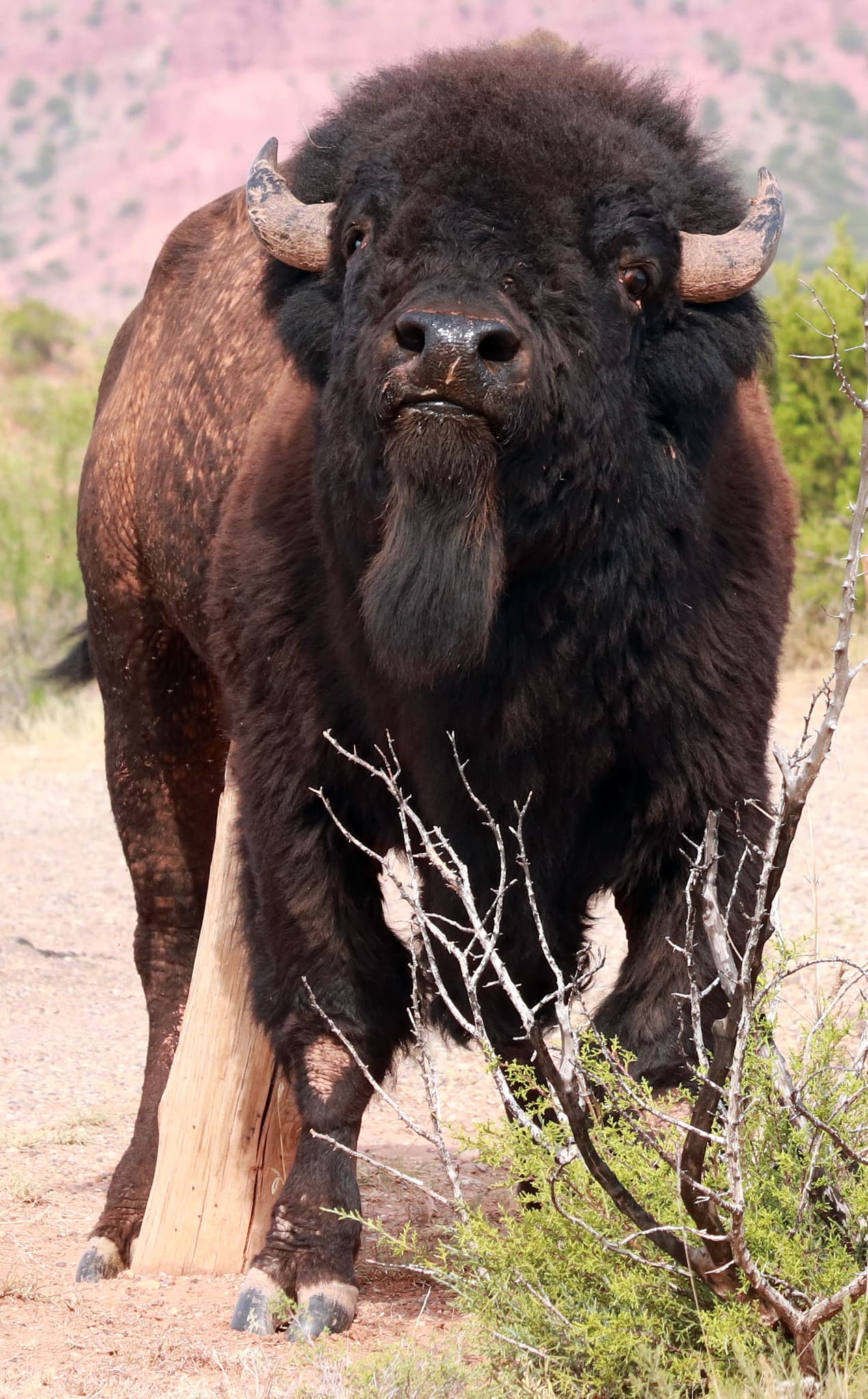
American Bison
Bison bison
American bison are the largest land mammals in North America and once moved across the Great Plains in enormous herds. Their grazing, wallowing, and movements create habitat for grassland plants, birds, insects, and small mammals. Intensive hunting nearly eliminated them in the 1800s, but protected herds and Indigenous-led restoration projects now anchor prairie recovery.
Read facts →
 Least Concern
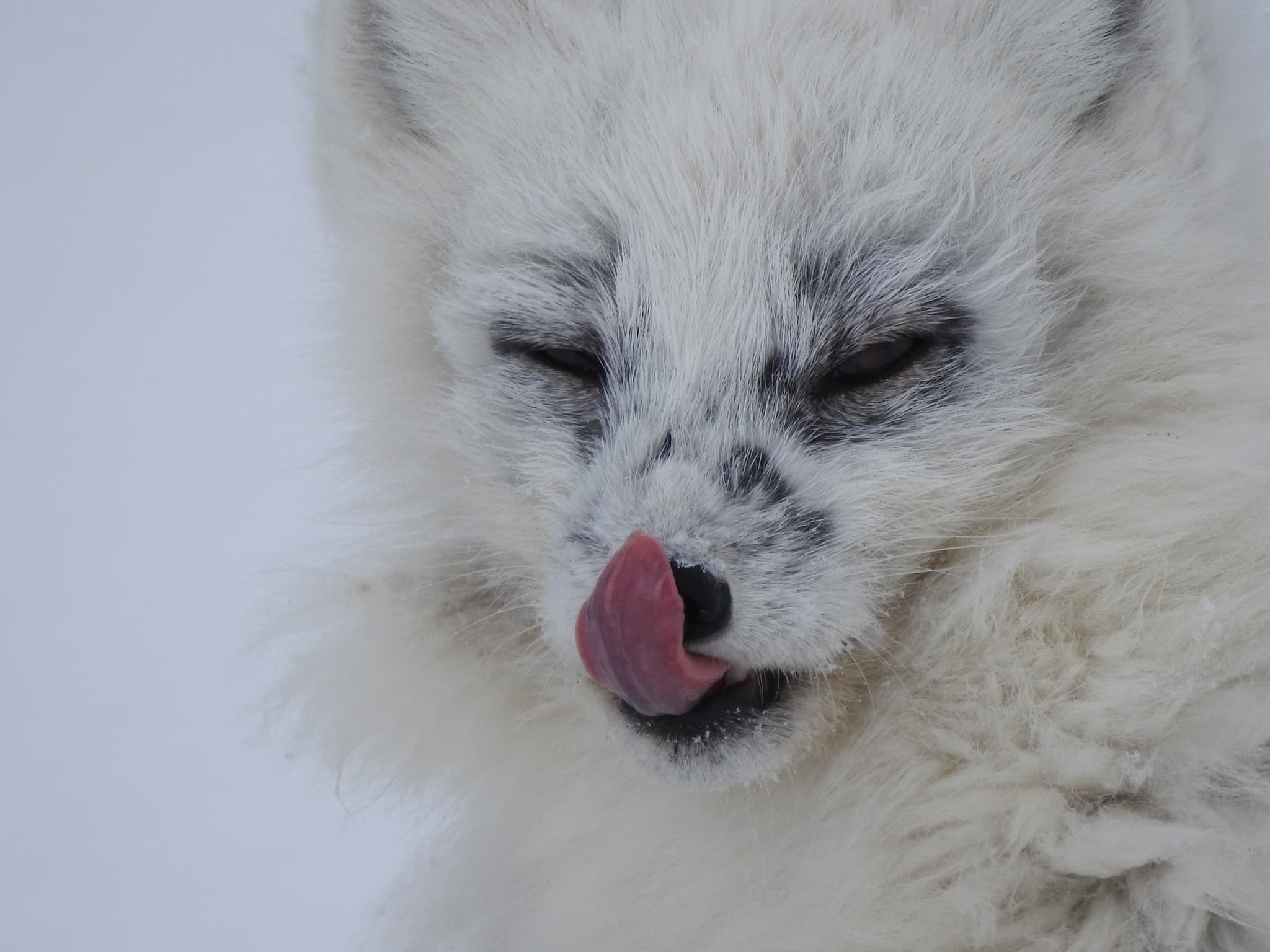
Arctic Fox
Vulpes lagopus
The Arctic fox is superbly insulated, with compact ears, furry soles, and a seasonal coat that can turn white in winter and brown in summer. It tracks lemming cycles but also scavenges from polar bears and seabird colonies. Climate warming allows red foxes to expand northward, increasing competition in parts of its range.
Read facts →
 Least Concern
Arctic Hare
Lepus arcticus
Arctic hares turn from grey-brown to pure white each winter and can bound at 60 km/h on hind legs built for open tundra. They sometimes huddle in groups of dozens for warmth in winter and are a staple prey of Arctic foxes, wolves, and snowy owls. Unlike most hares they dig shallow forms rather than burrows, relying on camouflage and speed across ground with little cover.
Read facts →
 Endangered
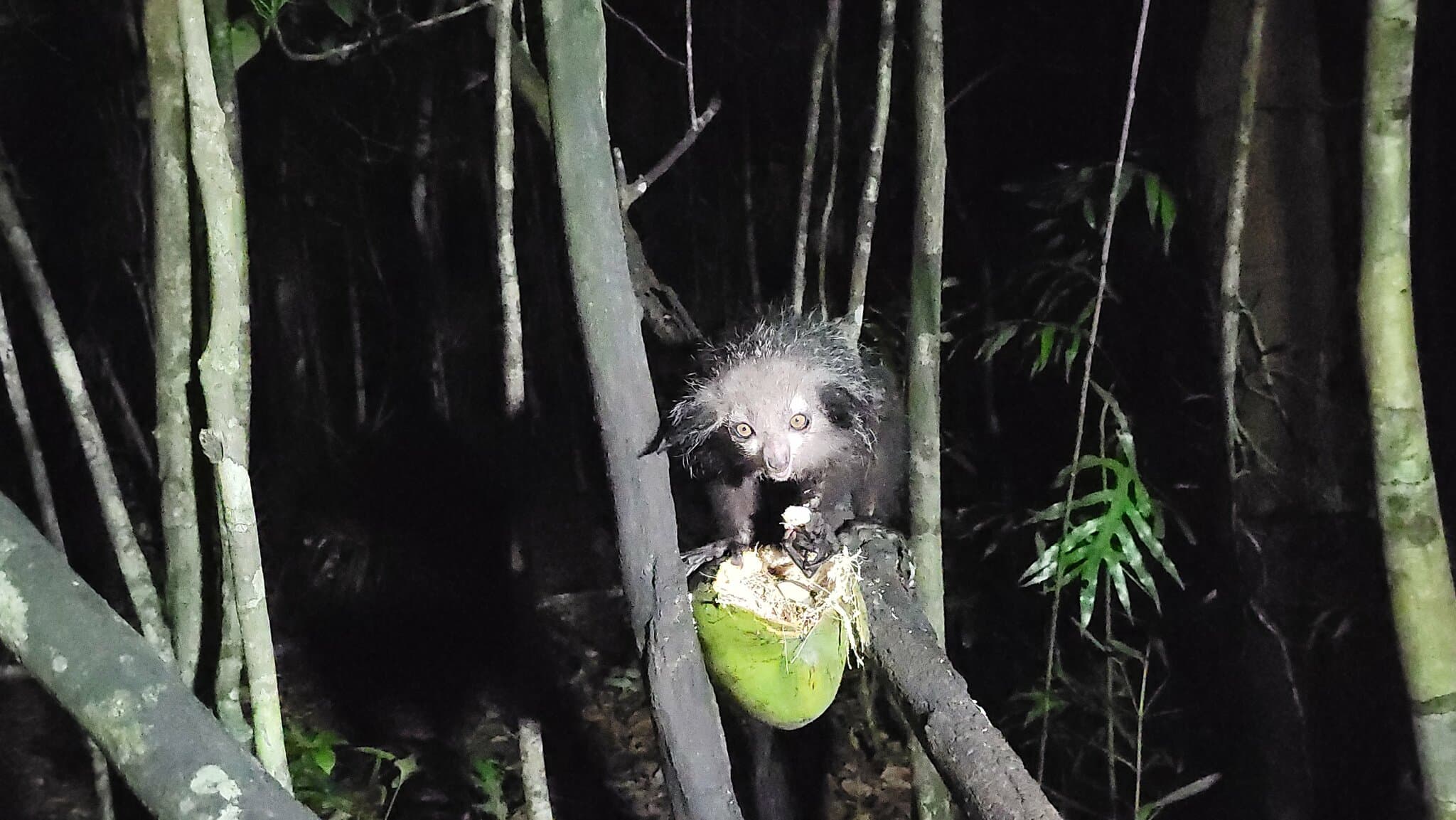
Aye-aye
Daubentonia madagascariensis
The aye-aye is a nocturnal lemur with huge ears, rodent-like teeth, and an extremely long middle finger. It taps on branches, listens for hollow chambers, then gnaws into wood to extract larvae. Misunderstanding and forest loss have made this unusual primate one of Madagascar’s endangered icons.
Read facts →
 Near Threatened
Beluga Whale
Delphinapterus leucas
Belugas are all-white Arctic whales without a dorsal fin, able to swim beneath ice and find breathing holes. Their flexible melon and constant chatter earned them the nickname 'sea canary'. Many populations summer in warm estuaries to moult and calve. Noise, pollution, ship traffic, and warming seas are the main threats, and the Cook Inlet population in Alaska remains critically small.
Read facts →
 Endangered
Bengal Tiger
Panthera tigris tigris
The Bengal tiger is a population of the Panthera tigris tigris subspecies. It ranks among the largest of wild cats. It is distributed from India, southern Nepal, Bangladesh, Bhutan to Southwestern China.
Read facts →
 Least Concern
Bighorn Sheep
Ovis canadensis
Bighorn sheep are named for the massive curled horns of rams, which can weigh more than all the bones in their body. They climb near-vertical cliffs to escape predators and gather at natural salt licks. In the rut, rams charge at up to 32 km/h and clash horns with a crack audible over a kilometre away. Unregulated hunting and diseases from domestic sheep once cut populations drastically; recovery continues through transplants and herd protection.
Read facts →
 Critically Endangered
Black Rhinoceros
Diceros bicornis
Black rhinoceroses use a flexible hooked upper lip to browse shrubs and woody plants. They are generally more solitary and wide-ranging than white rhinos, with territories centered on water, mineral licks, and feeding areas. Poaching and habitat pressure caused catastrophic declines, making intensive protection essential.
Read facts →
 Endangered
Blue Whale
Balaenoptera musculus
The blue whale is a species of baleen whale and the largest marine mammal in the rorqual family Balaenopteridae. Reaching a maximum confirmed length of 29. 9–30. 5 m (98–100 ft) and weighing up to 190–200 t, it is the largest animal known to have ever existed. The blue whale's long and slender body can be of various shades of greyish-blue on its upper surface and somewhat lighter underneath. Four subspecies are recognized: B. m. musculus in the North Atlantic and North Pacific, B.
Read facts →
 Critically Endangered
Bornean Orangutan
Pongo pygmaeus
The Bornean orangutan is an orangutan species endemic to the island of Borneo. It belongs to the only genus of great apes native to Asia and is the largest of the three Pongo species. It has a coarse, reddish coat and up to 1.
Read facts →
 Least Concern
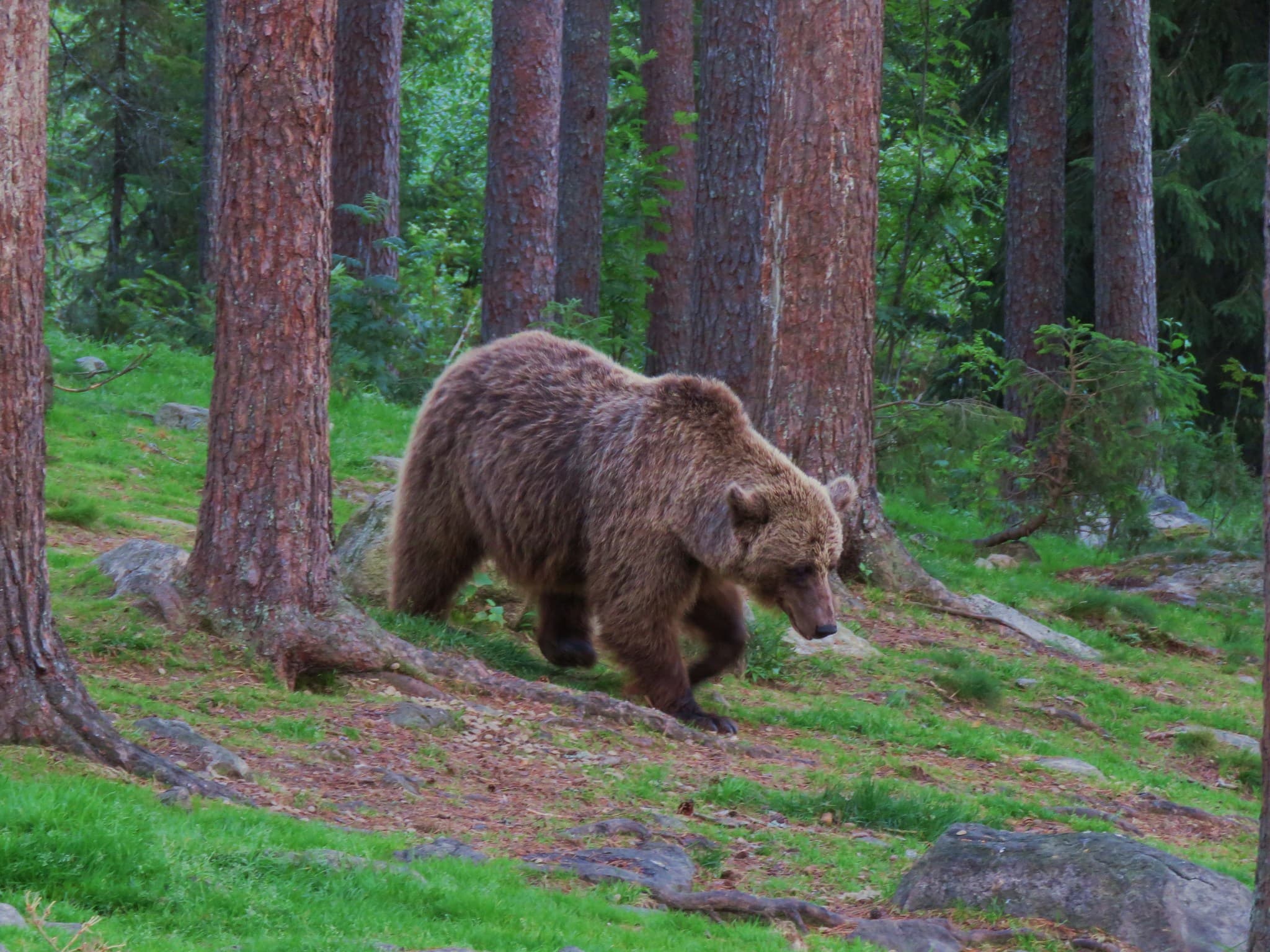
Brown Bear
Ursus arctos
Brown bears occupy a wide range of habitats and diets, from coastal salmon streams to interior forests and tundra. They dig, graze, fish, scavenge, and disperse seeds, making them influential ecosystem engineers. Although globally widespread, many regional populations need careful conflict reduction and habitat connectivity.
Read facts →
 Least Concern
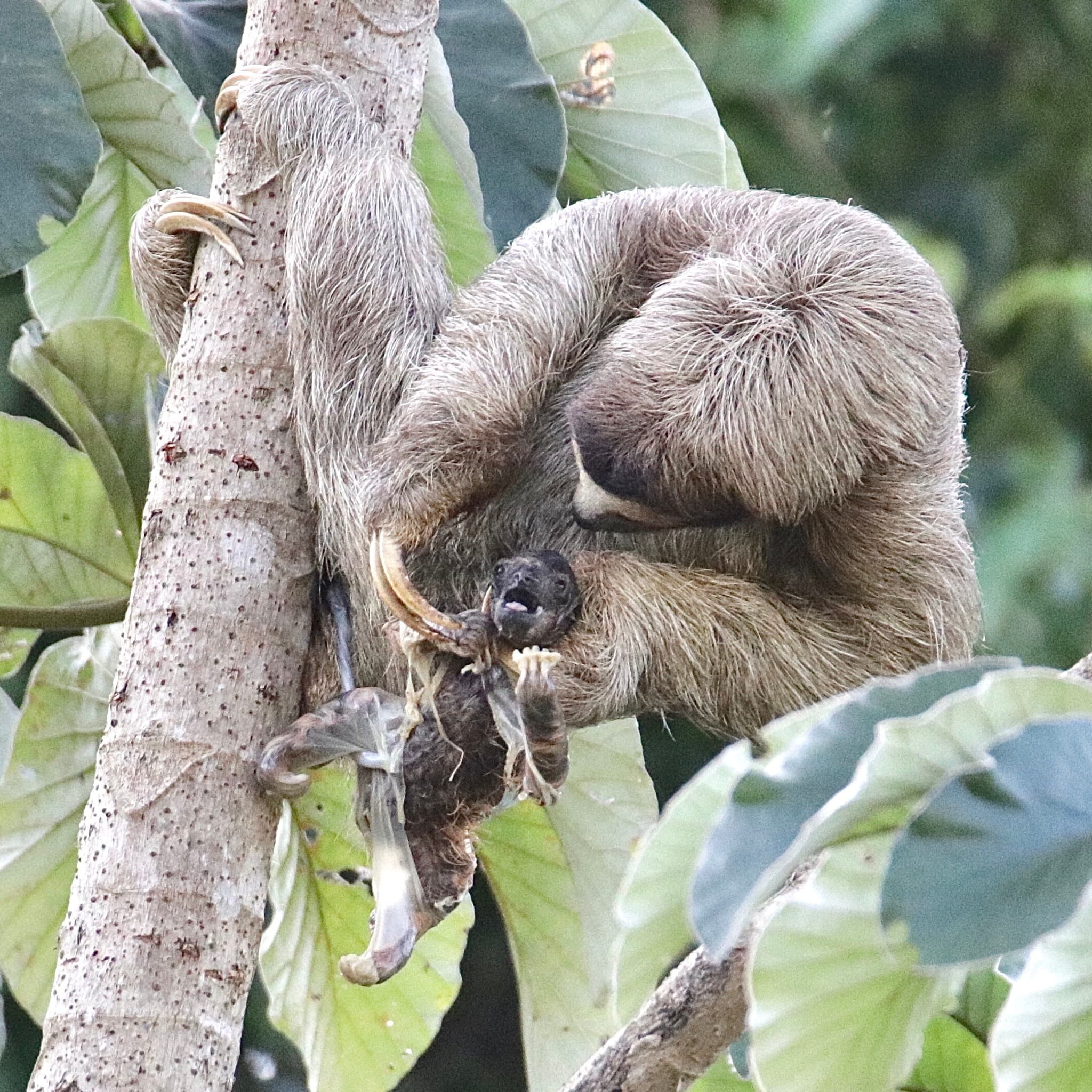
Brown-Throated Sloth
Bradypus variegatus
Brown-throated sloths spend most of their lives hanging in trees, moving slowly to conserve energy on a leafy diet. Grooved hairs can host algae and insects, helping the animal blend into the canopy. Their low metabolism and specialized digestion make continuous forest cover especially important.
Read facts →
 Least Concern
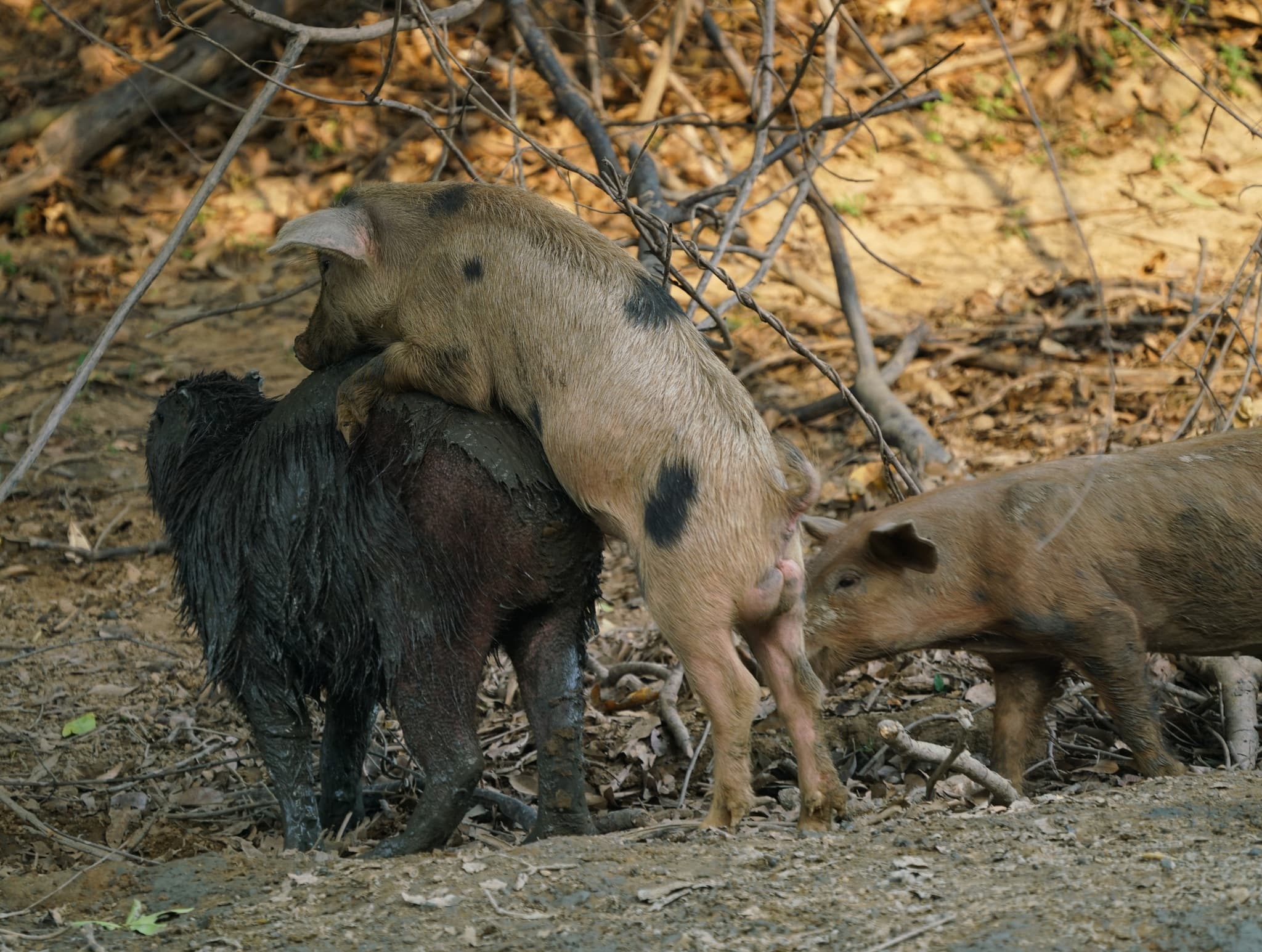
Capybara
Hydrochoerus hydrochaeris
The capybara is the world’s largest rodent and lives in social groups near water. Its eyes, ears, and nostrils sit high on the head, allowing it to watch for predators while partly submerged. Capybaras graze heavily, communicate with whistles and barks, and provide food for jaguars, caimans, and large snakes.
Read facts →
 Least Concern
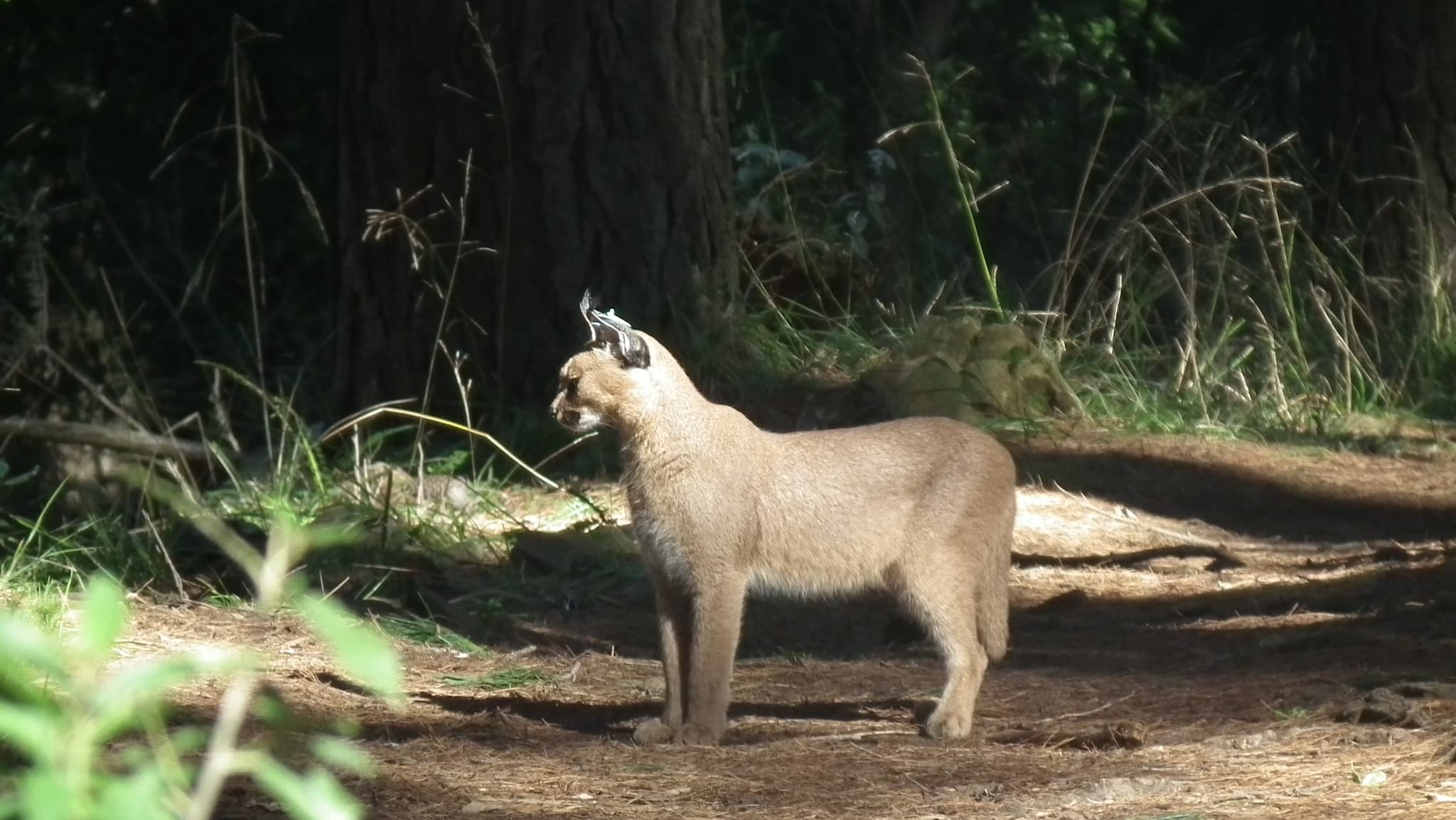
Caracal
Caracal caracal
The caracal is a sleek wild cat with long black ear tufts and powerful hind legs. It is famous for leaping high into the air to strike birds in flight, though it also hunts many ground animals. Adaptable and secretive, the caracal occupies dry habitats across Africa and parts of Asia.
Read facts →
 Vulnerable
Caribou
Rangifer tarandus
Caribou and reindeer are the same species — the only deer in which females grow antlers, which they use to defend feeding craters in the snow through winter. Herds migrate thousands of kilometres between calving grounds and winter lichen ranges, among the longest land migrations of any mammal. Herd sizes have declined sharply across the Arctic due to warming, industrial disturbance, and changing snow and insect conditions.
Read facts →
 Vulnerable
Cheetah
Acinonyx jubatus
The cheetah is a species of large feline and the only living member of the genus Acinonyx. The cheetah is a pursuit predator and the fastest land animal, capable of running at 93–104 km/h (58–65 mph); it has evolved for speed, having powerful hindlimb muscles, long limbs and a flexible spine. The cheetah has a tawny to creamy white or pale buff fur that is marked with evenly spaced, solid black spots. The head is small and rounded, with a short snout and black tear-like facial streaks. It reaches 67–94 cm (2.
Read facts →
 Endangered
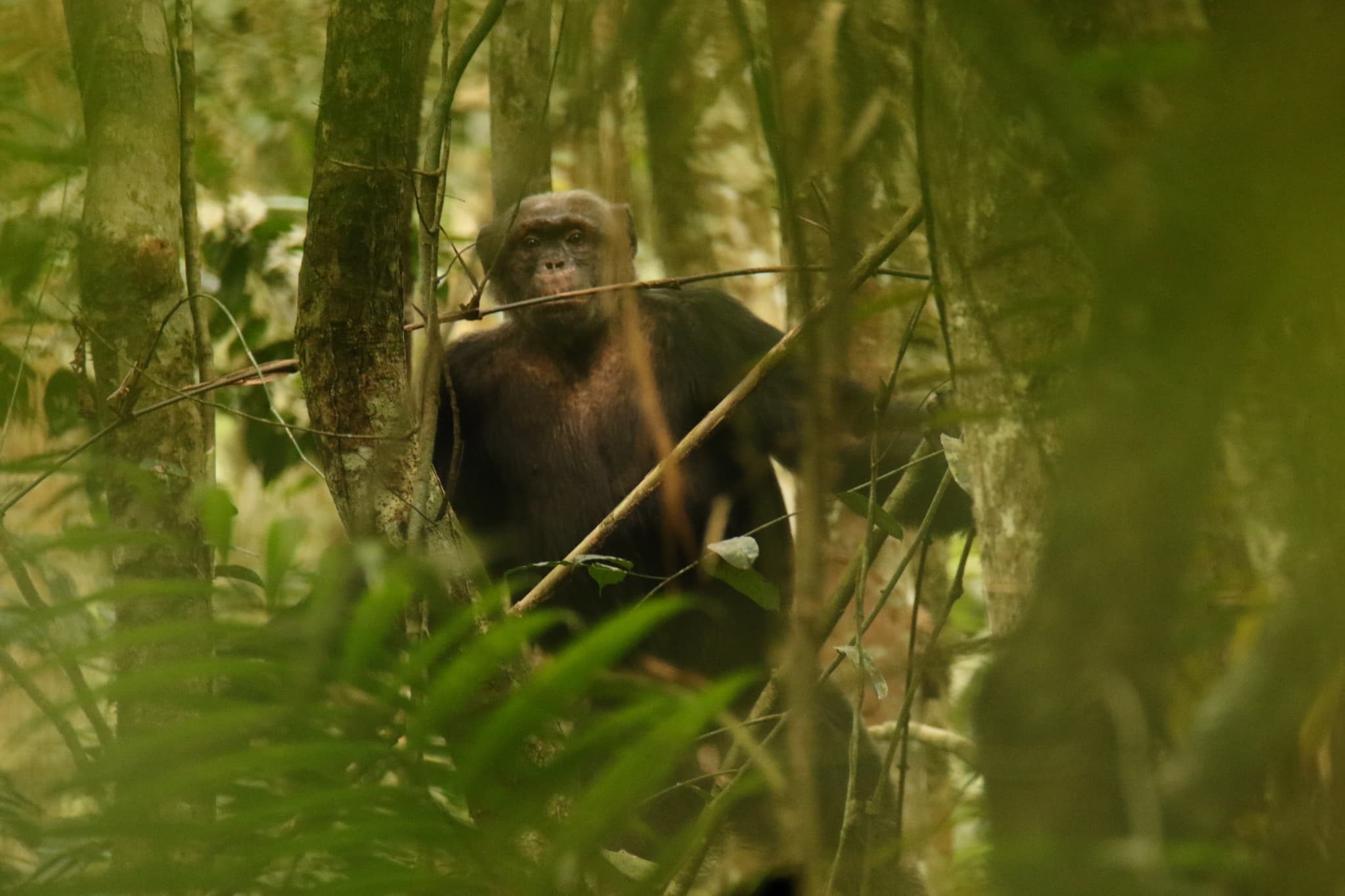
Chimpanzee
Pan troglodytes
Chimpanzees live in fission-fusion communities where smaller parties split and rejoin throughout the day. They make and use tools to fish for termites, crack nuts, and access honey. Habitat loss, hunting, disease, and the illegal wildlife trade continue to endanger wild populations.
Read facts →
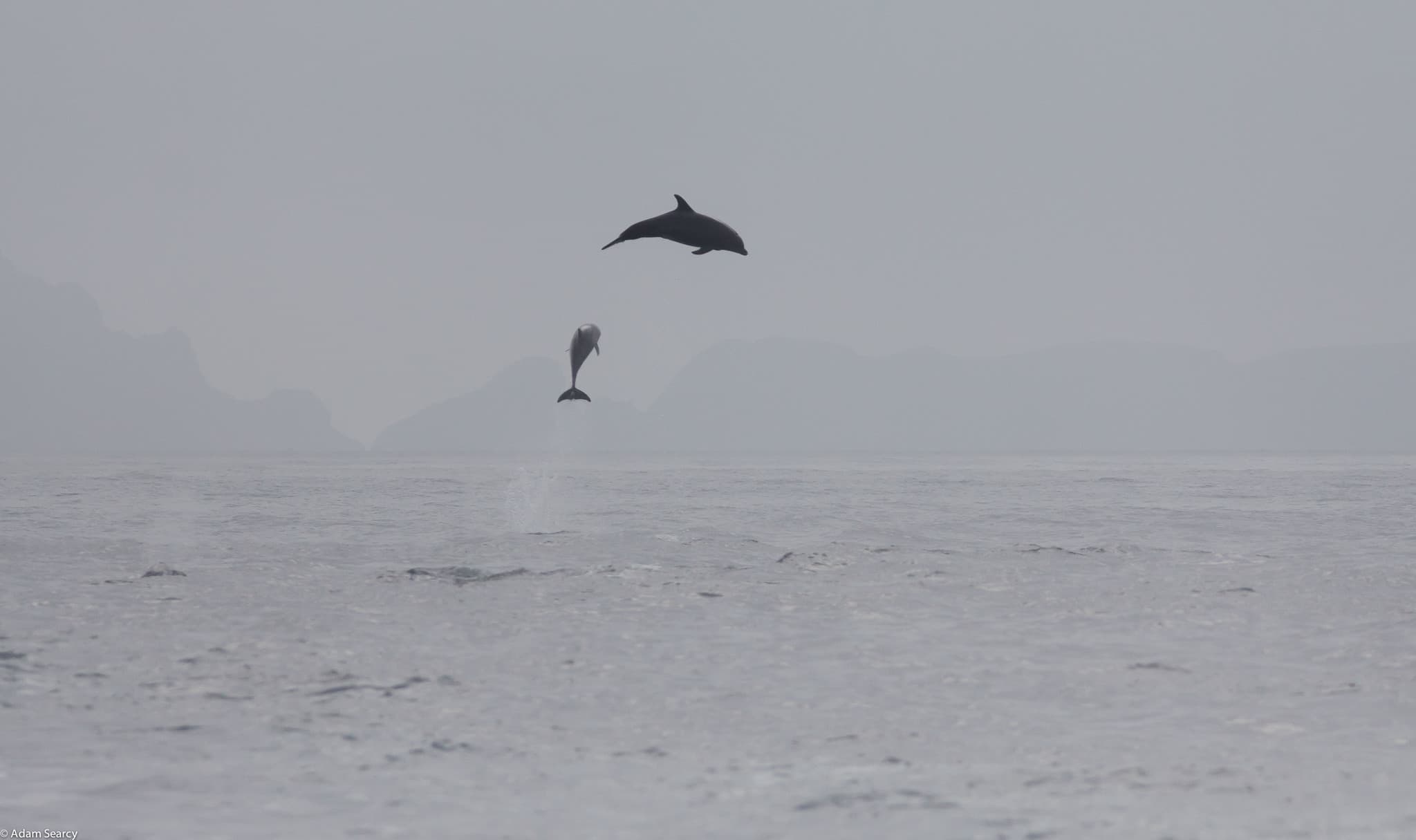 Least Concern
Common Bottlenose Dolphin
Tursiops truncatus
Common bottlenose dolphins live in flexible social groups and communicate with whistles, clicks, and body movements. They use echolocation to find prey and can cooperate while herding fish. Their adaptability makes them familiar in coastal waters, but bycatch, pollution, disturbance, and habitat degradation still affect many populations.
Read facts →
 Vulnerable
Common Hippopotamus
Hippopotamus amphibius
The hippopotamus, often shortened to hippo, further qualified as the common hippopotamus, Nile hippopotamus and river hippopotamus, is a large semiaquatic mammal native to sub-Saharan Africa. It is one of only two extant species in the family Hippopotamidae, the other being the pygmy hippopotamus.
Read facts →
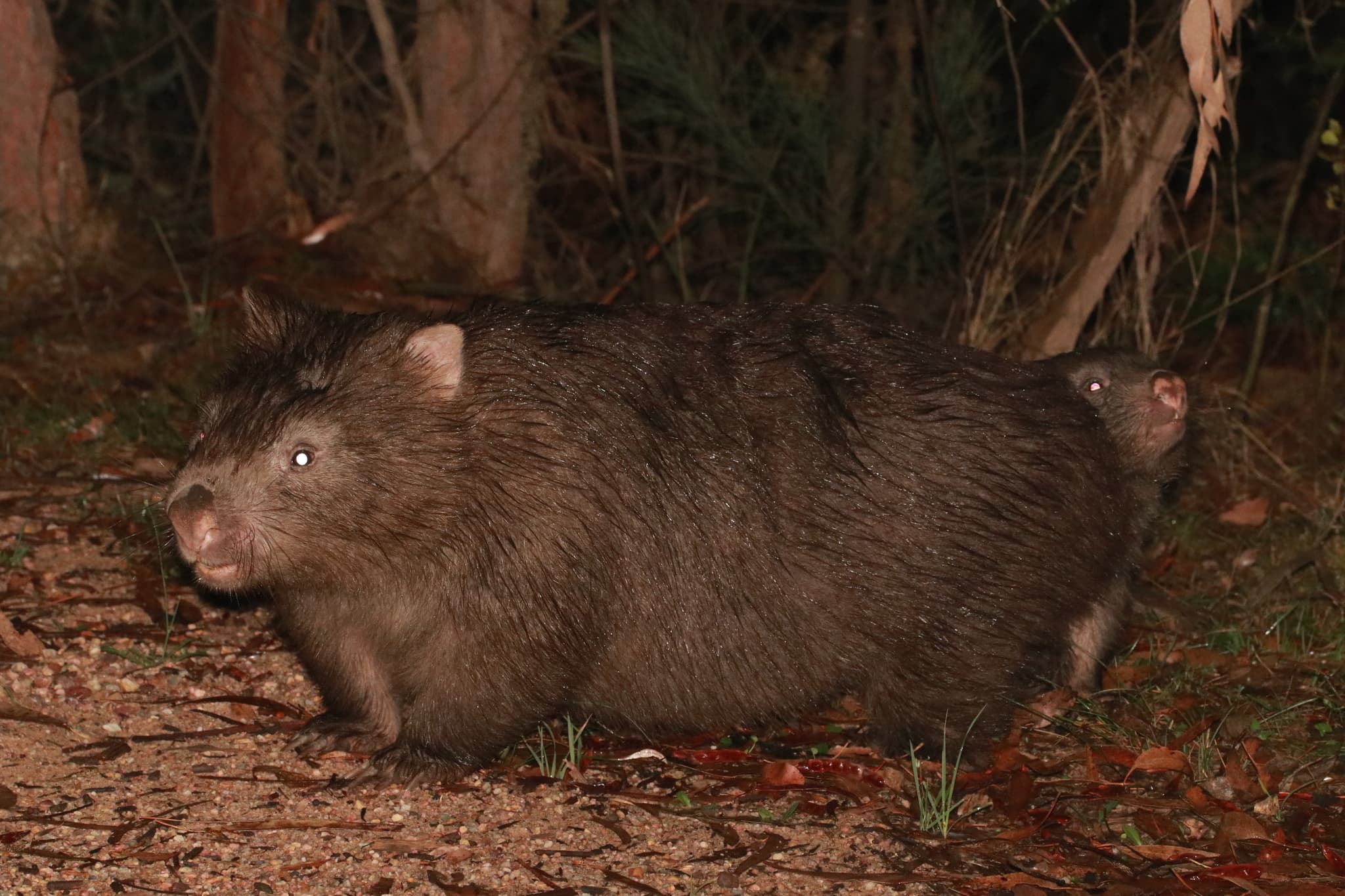 Least Concern
Common Wombat
Vombatus ursinus
The common wombat is a sturdy marsupial built for digging extensive burrow systems. It has strong claws, a backward-opening pouch, and dense cartilage over the rump that helps block tunnel entrances from predators. Wombats graze mostly at night and are famous for producing cube-shaped droppings.
Read facts →
 Critically Endangered
Coquerel's Sifaka
Propithecus coquereli
Coquerel's sifaka is a striking lemur with cream-white fur, chocolate-brown patches, and long powerful legs. On the ground it moves in an unmistakable sideways dancing bounding gait with arms flailing, but in the trees it leaps 10 m or more between trunks. It lives in small family groups and communicates with loud alarm calls. Forest clearance and hunting have made it Critically Endangered, one of the world's most threatened primates.
Read facts →
 Least Concern
Dall Sheep
Ovis dalli
Dall sheep are pale wild sheep of steep subarctic mountains, sure-footed on cliff ledges where predators struggle to follow. Rams carry curled amber horns marked with growth rings and clash in dramatic rutting battles. Wolves, bears, and golden eagles take lambs, and deep-snow winters are the main natural limit; conservation focuses on protecting seasonal ranges and migration routes.
Read facts →
 Vulnerable
Dugong
Dugong dugon
The dugong is a marine mammal related to manatees and the only strictly marine herbivore, grazing seagrass meadows in the Indo-Pacific. Its fluke-like tail and downturned muzzle suit a life spent hovering over seagrass beds, and it can live 70 years. Females raise a single calf every few years, so populations recover slowly. Boat strikes, gillnets, and seagrass loss have eliminated dugongs from much of their former range.
Read facts →
 Least Concern
Elk (Wapiti)
Cervus canadensis
Elk are among the largest deer in the world, and their autumn bugling rings across mountain valleys as bulls gather harems. Calves are born spotted and stay motionless in meadow grass. Elk winter migrations concentrate them in low valleys where herds can number in the hundreds. Antlers are shed each spring and regrow over the summer, covered in velvet.
Read facts →
 Least Concern
Eurasian Beaver
Castor fiber
Eurasian beavers reshape whole valleys by felling trees and building dams that slow and clean water, creating wetlands used by fish, amphibians, birds, and insects. Family groups live in lodges with underwater entrances and slap their broad flat tails on the water to warn of danger. Hunted to near extinction for fur and castoreum by 1900, they have recovered through protection and reintroductions and are now welcomed back as a keystone species across Europe.
Read facts →
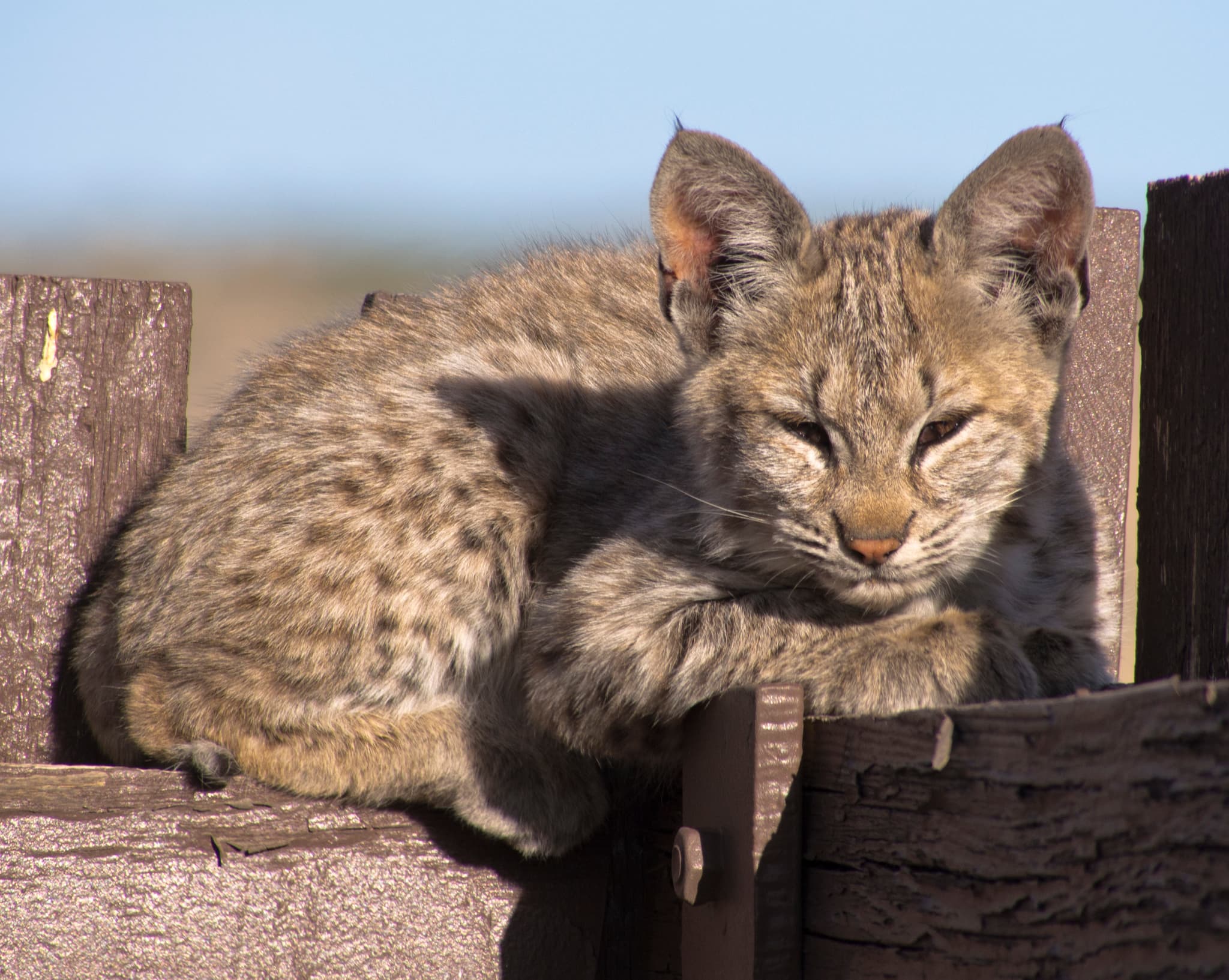 Least Concern
Eurasian Lynx
Lynx lynx
The Eurasian lynx is the largest lynx and a stealthy predator of forested landscapes. Its long legs, broad paws, and ear tufts suit snowy woodlands and rugged mountains. Reintroductions have restored it to parts of Europe, though it still needs large connected territories.
Read facts →
 Near Threatened
Eurasian Otter
Lutra lutra
Eurasian otters are sleek mustelids superbly adapted for aquatic hunting, with streamlined bodies, webbed feet, and fur that traps insulating air. Mostly solitary and nocturnal, they patrol linear territories along waterways and mark boundaries with spraints. Pesticide and PCB pollution collapsed populations in western Europe in the mid-1900s; cleaner rivers and legal protection have since driven one of Europe's great wildlife recoveries.
Read facts →
 Least Concern
European Badger
Meles meles
European badgers live in the largest social groups of any mustelid, sharing multi-generational underground setts with dozens of entrances. Their black-and-white striped face is unmistakable, and after rain they feed mostly on earthworms detected by smell. Though protected in many countries they still face persecution, road deaths, and culling tied to bovine tuberculosis debates.
Read facts →
 Least Concern
Fennec Fox
Vulpes zerda
The fennec fox is the smallest canid in the world, weighing less than a house cat, with enormous ears that radiate body heat and pinpoint prey moving underground. Its thickly furred footpads let it walk on scorching sand, and it can go long periods without drinking, drawing water from food. It digs extensive dens in stable sand dunes and is more social than most foxes.
Read facts →
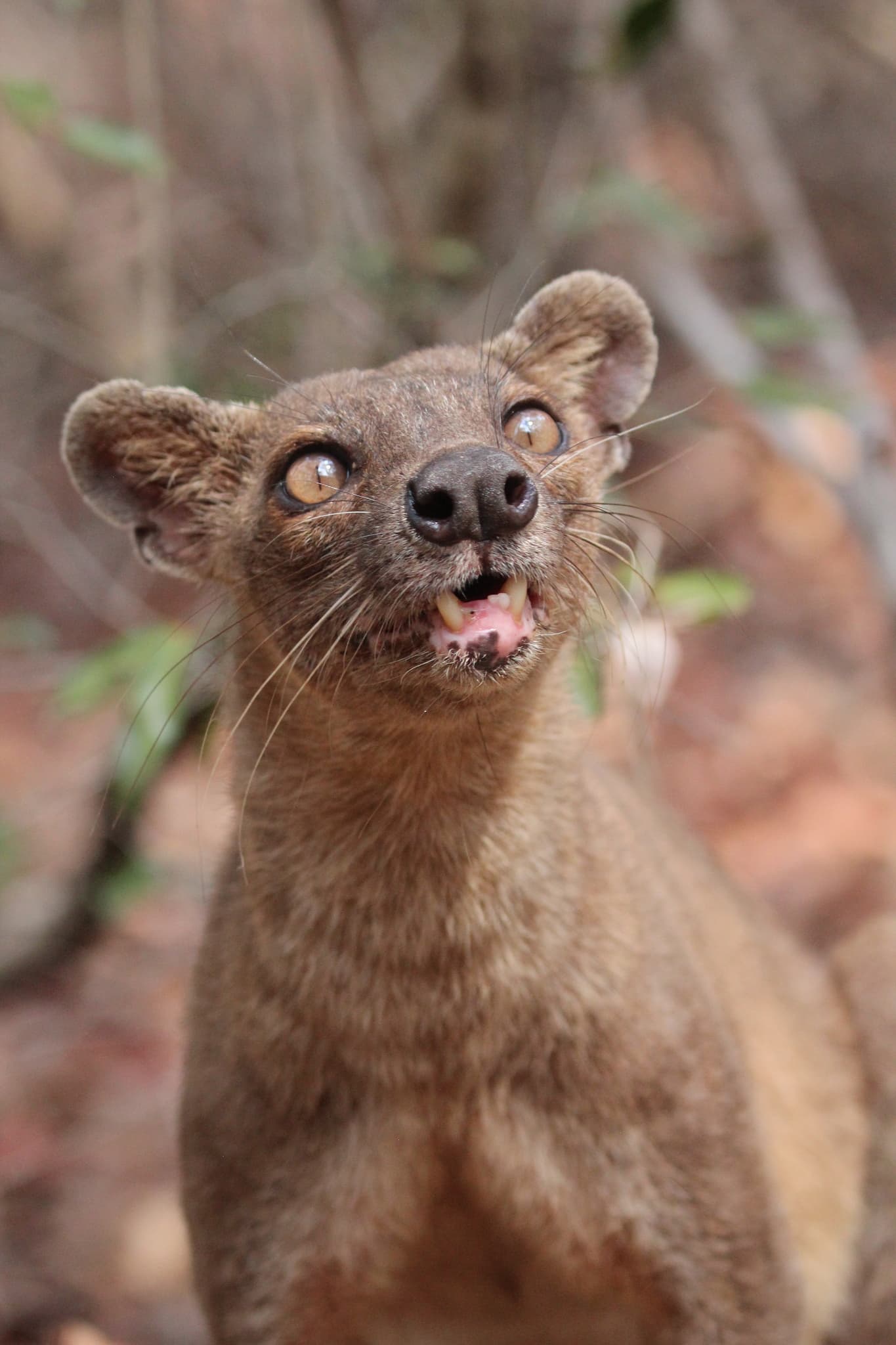 Vulnerable
Fossa
Cryptoprocta ferox
The fossa is Madagascar’s largest native carnivorous mammal and combines catlike agility with mongoose relatives. It climbs and leaps through trees while hunting lemurs, yet also travels long distances on the ground. Habitat loss and conflict with people threaten this top predator across the island.
Read facts →
 Vulnerable
Giant Anteater
Myrmecophaga tridactyla
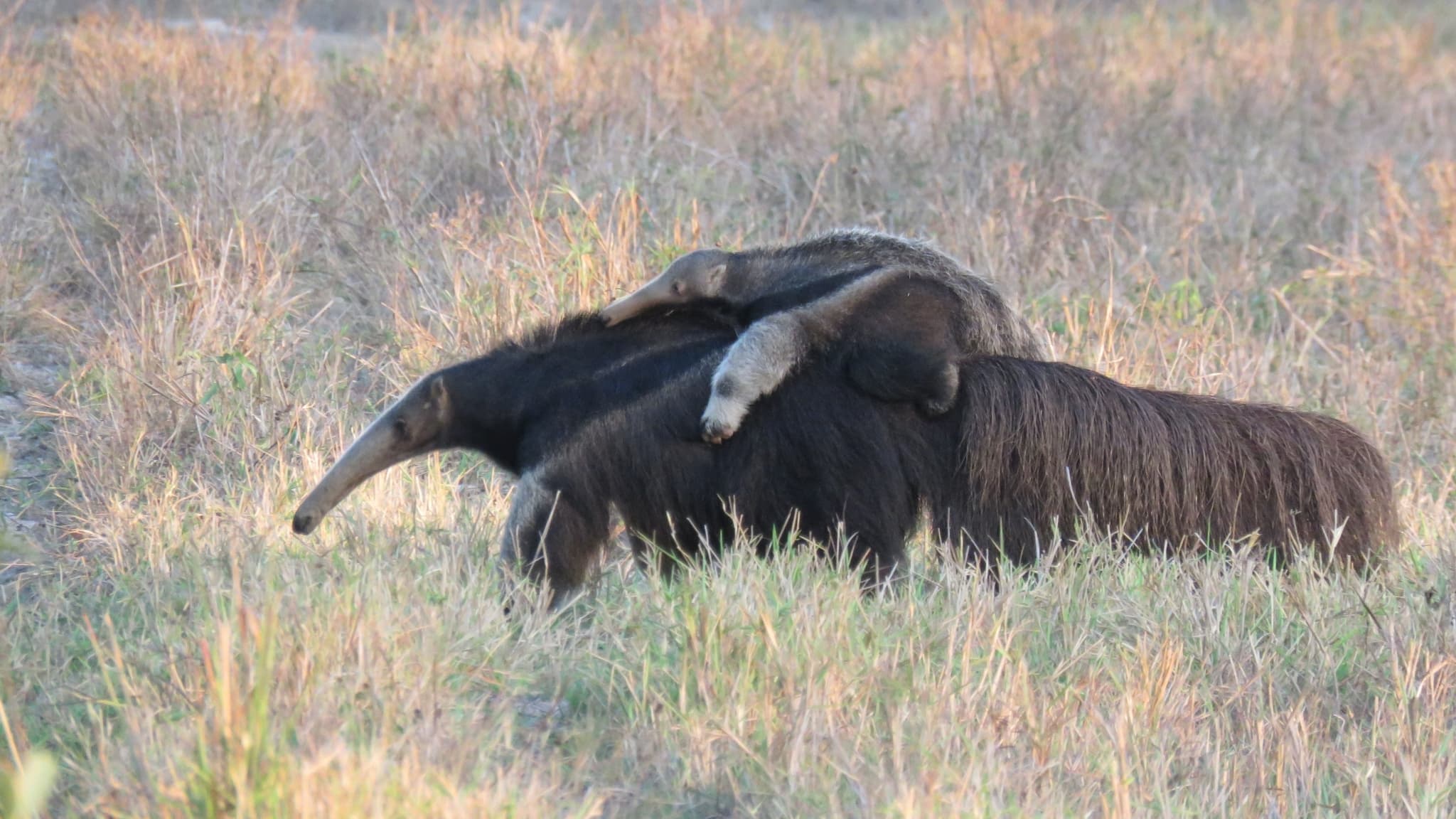
The giant anteater has a long tubular snout, strong claws, and a tongue that can flick in and out many times per minute. It opens ant and termite nests briefly, feeding without destroying the colony completely. Mothers carry young on their backs, where the infant’s stripe aligns with the adult’s pattern for camouflage.
Read facts →
 Vulnerable
Giant Panda
Ailuropoda melanoleuca
The giant panda, also known as the panda bear or simply panda, is a bear species endemic to China. It is characterised by its white coat with black patches around the eyes, ears, legs and shoulders. Its body is rotund; adult individuals weigh 100 to 115 kg and are typically 1. 2 to 1. 9 m long.
Read facts →
 Vulnerable
Giraffe
Giraffa camelopardalis
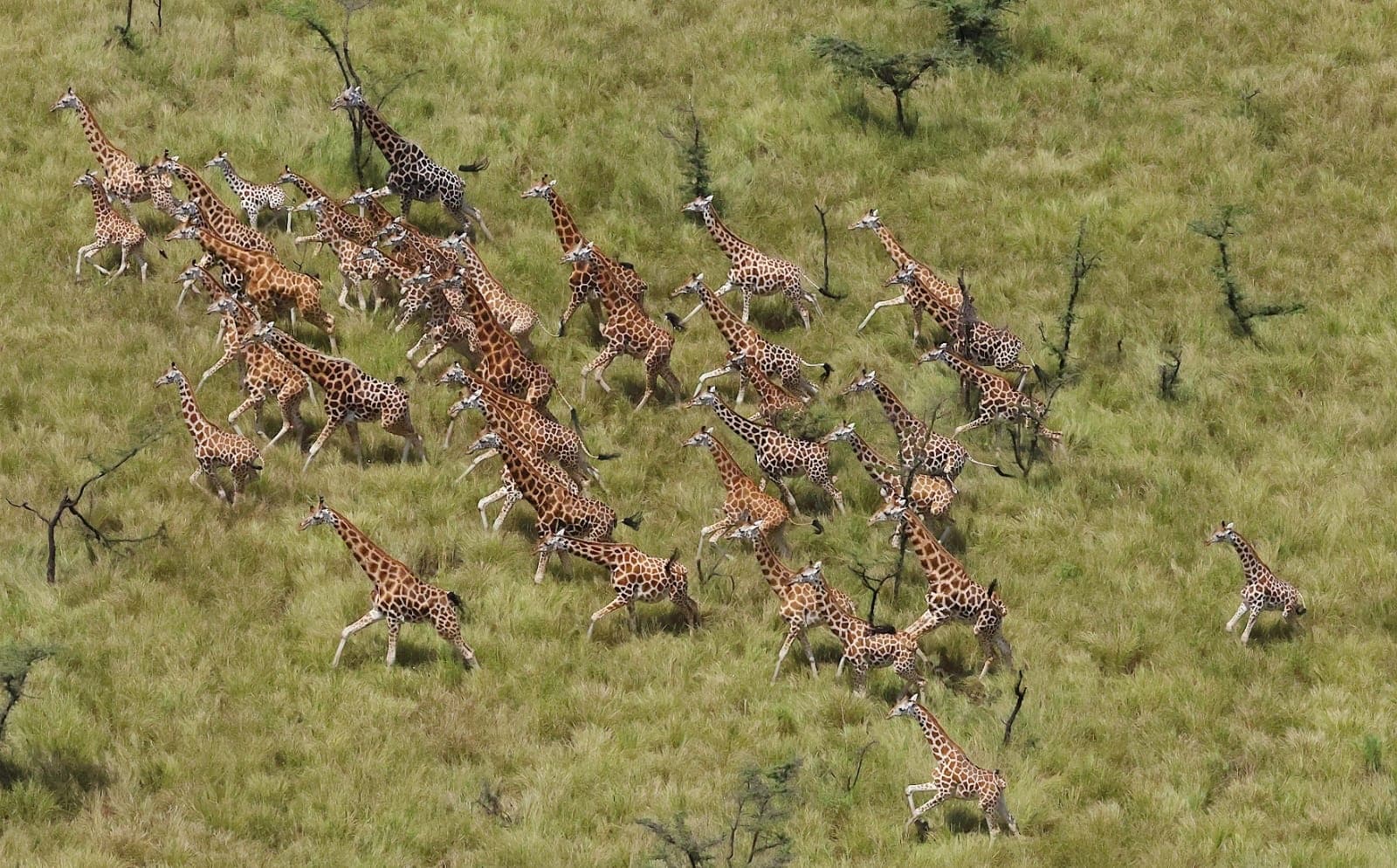
Giraffes use long necks and prehensile tongues to browse leaves beyond the reach of most herbivores. Their patterned coats help individuals blend into dappled woodland light and can be used to recognize one another. Habitat loss, fragmentation, and illegal hunting have reduced many populations despite the species remaining one of Africa’s best-known animals.
Read facts →
 Least Concern
Gray Wolf
Canis lupus
The wolf, also known as the grey wolf or gray wolf, is a canine native to Eurasia and North America. More than thirty subspecies of Canis lupus have been recognized, including the dog and dingo, though grey wolves, as popularly understood, include only naturally occurring wild subspecies. The wolf is the largest wild extant member of the family Canidae, and is further distinguished from other Canis species by its less pointed ears and muzzle, as well as a shorter torso and a longer tail.
Read facts →
 Least Concern
Harp Seal
Pagophilus groenlandicus
Harp seals are born on pack ice in fluffy white coats that camouflage them for the first two weeks, then moult to silver with a black harp-shaped saddle. They are superb divers, feeding on small schooling fish and krill, and they migrate with the ice edge each season. Warming winters with poor ice have caused years of mass pup mortality in the northwest Atlantic, and hunting remains controversial in Canada.
Read facts →
 Least Concern
Hedgehog
Erinaceus europaeus
Hedgehogs are small nocturnal mammals covered in about 5,000–7,000 spines that they erect and puff into a ball when threatened. They roam large territories each night, snuffling loudly as they root out beetles, caterpillars, and slugs, which makes them welcome guests in gardens. When they meet a strong smell they may 'self-anoint', licking the source and spreading frothy saliva onto their spines. Road traffic and habitat fragmentation are their main dangers, and numbers are falling in parts of western Europe.
Read facts →
 Least Concern
Honey Badger
Mellivora capensis
The honey badger is famous for its fearless defence, loose thick skin that twists against a grip, and willingness to attack venomous cobras and raid beehives for honey. It digs rapidly for rodents and scorpions and loosely follows greater honeyguides that lead it to bees' nests. Its boldness has made it a conservation icon, though farmers sometimes persecute it; its range is broadly stable.
Read facts →
 Least Concern
Humpback Whale
Megaptera novaeangliae
The humpback whale is a species of baleen whale. It is a rorqual and is the only species in the genus Megaptera. Adults range in length from 14–17 m (46–56 ft) and weigh up to 40 metric tons.
Read facts →
 Near Threatened
Jaguar
Panthera onca
The jaguar is a large cat species and the only living member of the genus Panthera that is native to the Americas. Its distinctively marked coat features pale yellow to tan colored fur covered by spots that transition to rosettes on the sides, although a melanistic black coat appears in some individuals. With a body length of up to 1.
Read facts →
 Vulnerable
Koala
Phascolarctos cinereus
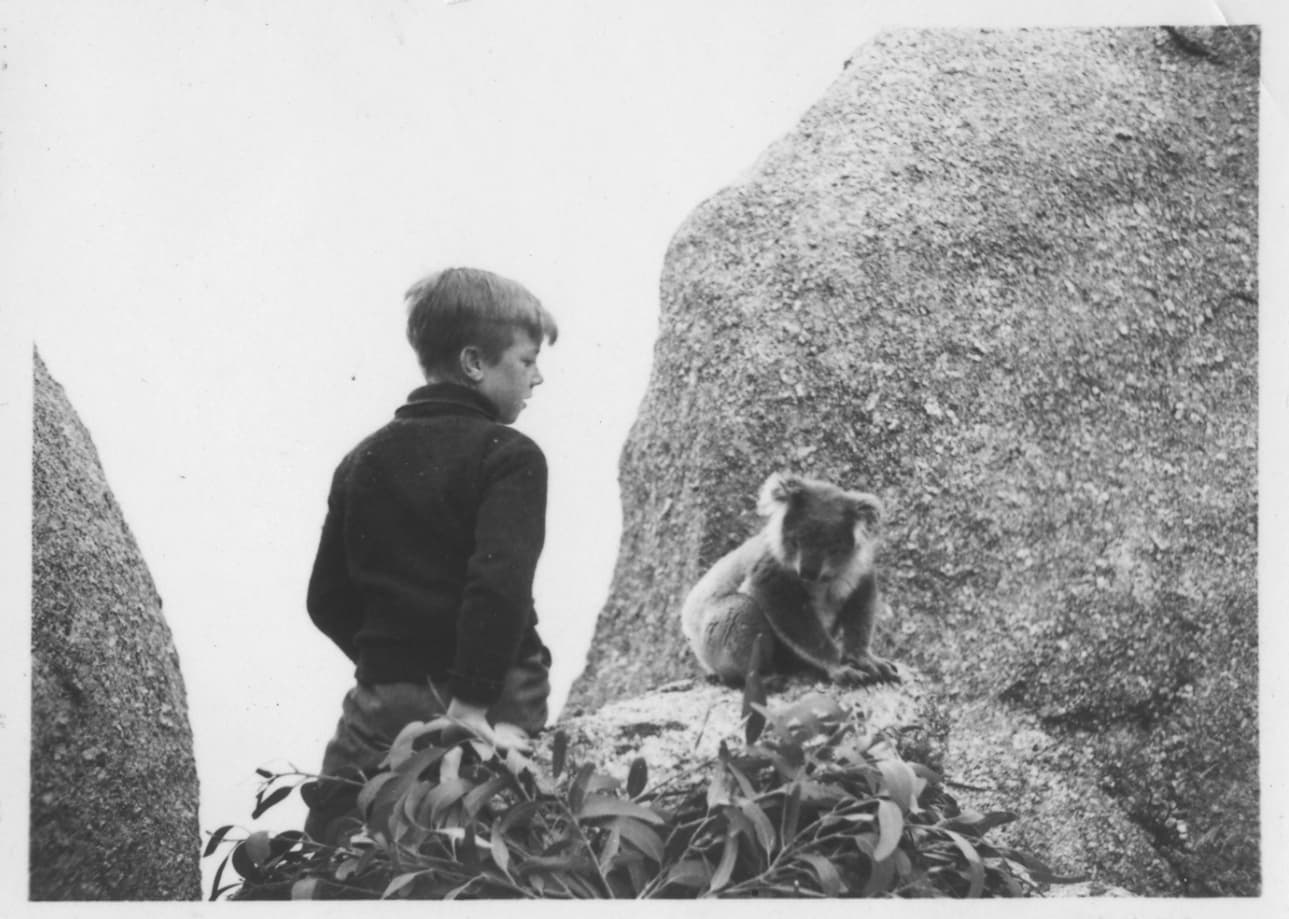
Koalas are arboreal marsupials that spend much of the day resting in eucalyptus trees. Specialized gut microbes help them digest tough, chemically defended leaves that few mammals can eat. Habitat clearing, disease, vehicle strikes, dog attacks, drought, and severe fires threaten many local populations.
Read facts →
 Vulnerable
Leopard
Panthera pardus
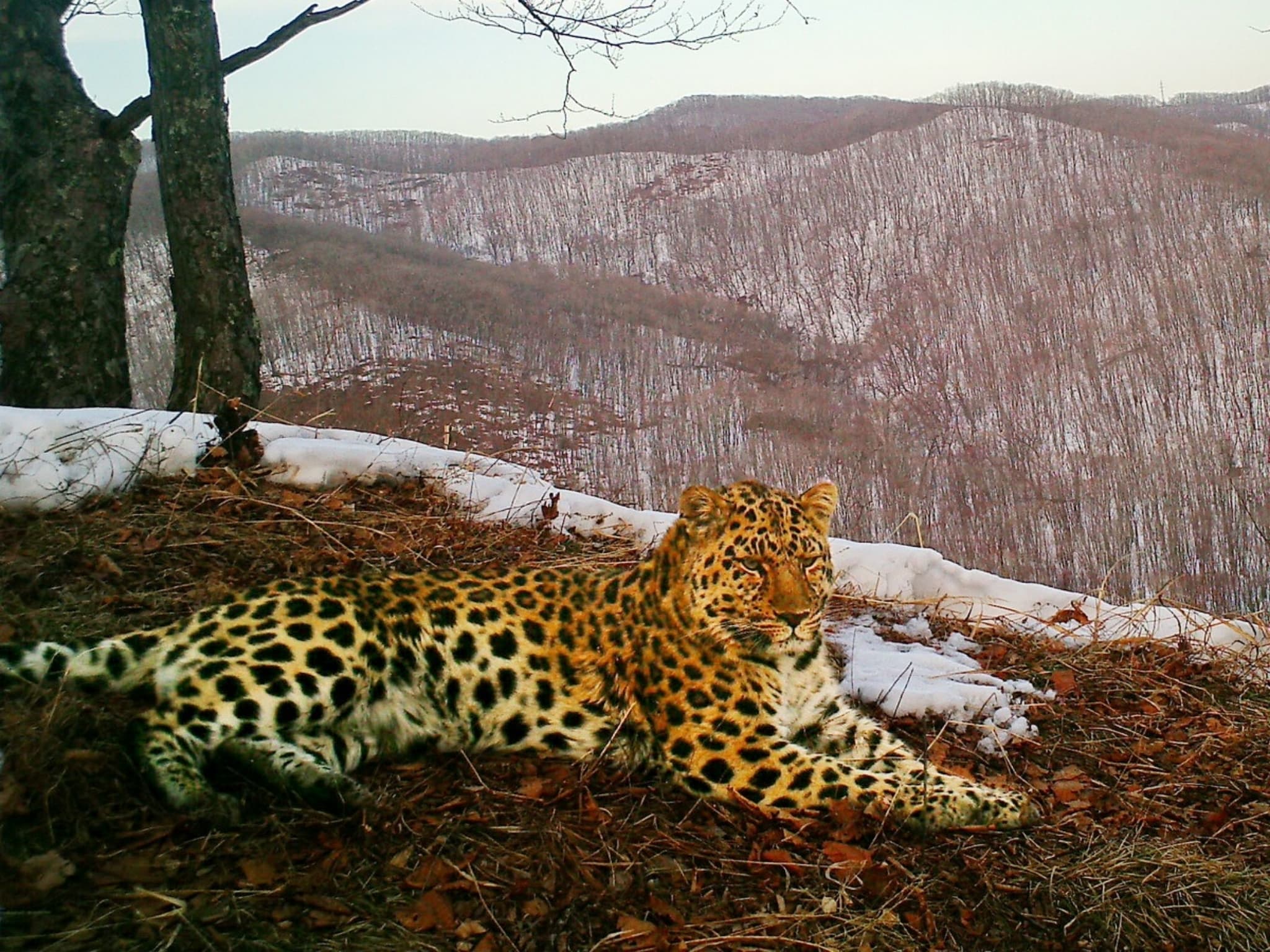
Leopards are powerful solitary cats famous for carrying prey into trees away from scavengers. Their rosetted coats provide camouflage in habitats ranging from rainforest to dry mountains. Despite their adaptability, habitat loss, prey decline, conflict, and illegal trade have eliminated leopards from much of their former range.
Read facts →
 Vulnerable
Lion
Panthera leo
The lion is a large cat of the genus Panthera, currently ranging only in Sub-Saharan Africa and India. It has a muscular, broad-chested body; a short, rounded head; round ears; and a dark, hairy tuft at the tip of its tail.
Read facts →
 Vulnerable
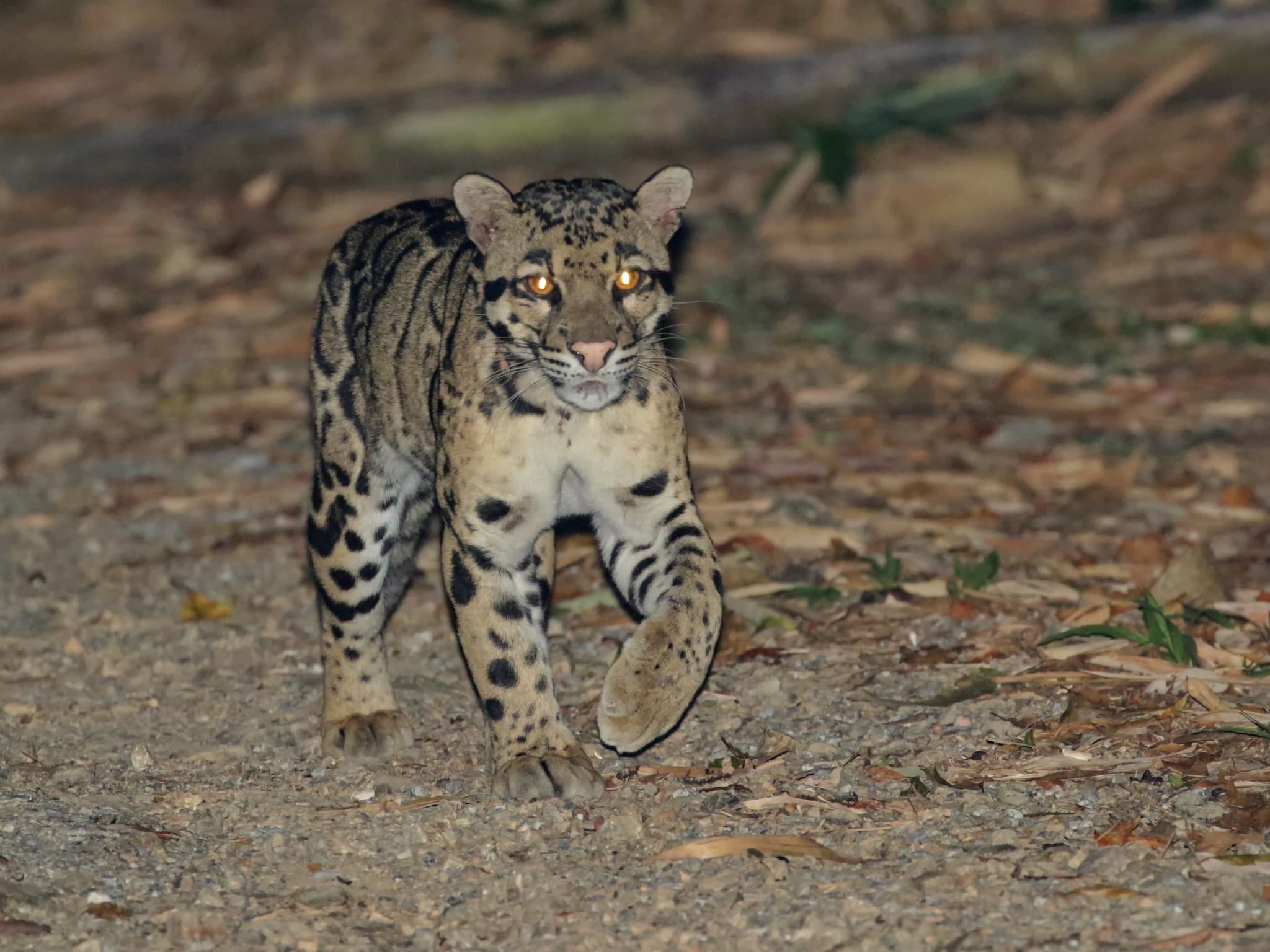
Mainland Clouded Leopard
Neofelis nebulosa
The mainland clouded leopard is a secretive forest cat with large canines and cloud-like blotches. Its flexible ankles and long tail help it climb, descend headfirst, and move along branches. Forest fragmentation and hunting pressure make this elusive predator difficult to study and increasingly vulnerable.
Read facts →
 Endangered
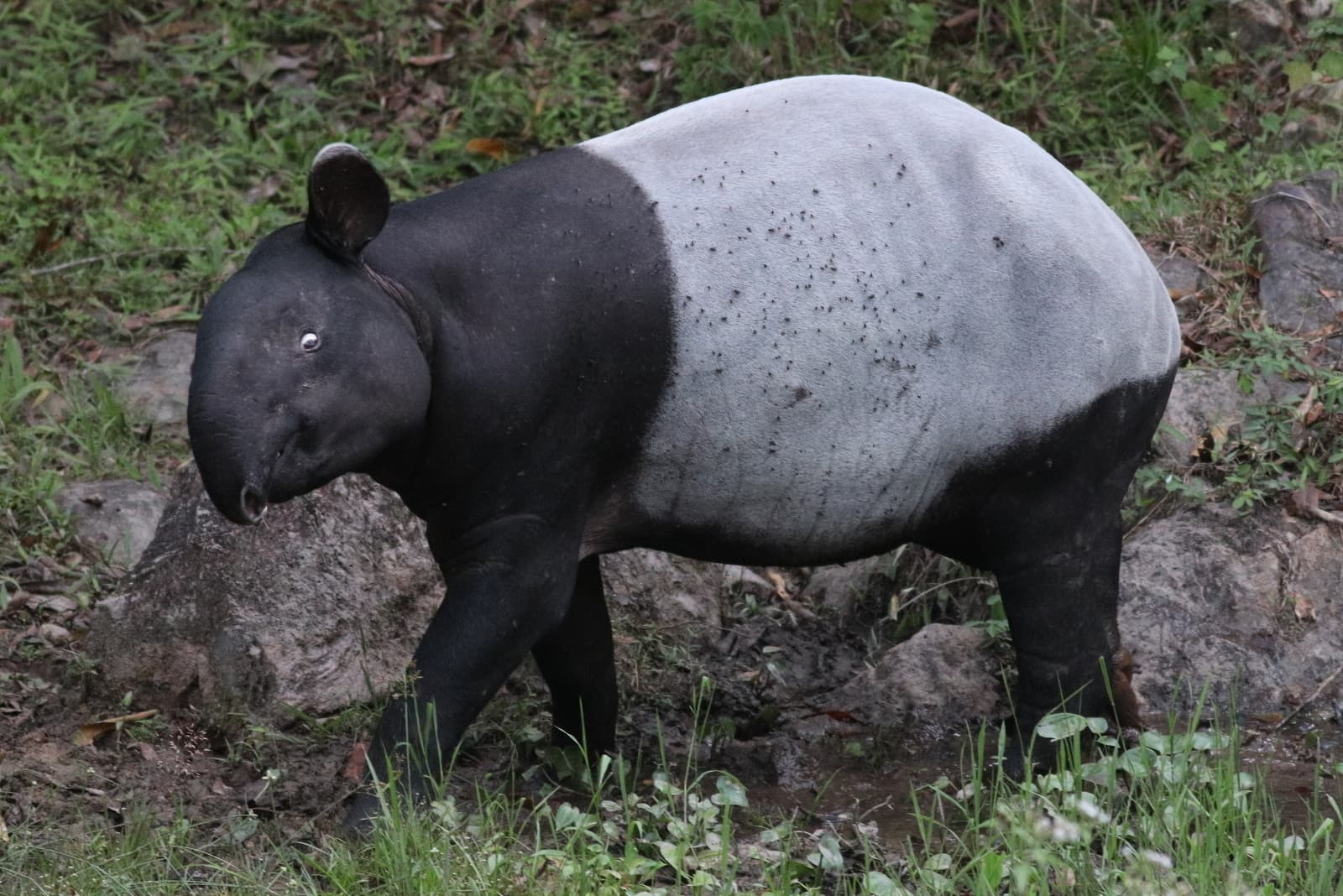
Malayan Tapir
Tapirus indicus
The Malayan tapir is the largest tapir and the only living tapir native to Asia. Its black front and rear with a pale saddle help break up its outline in moonlit forest. Tapirs disperse seeds through their droppings, making them important gardeners of tropical forests threatened by deforestation.
Read facts →
 Vulnerable
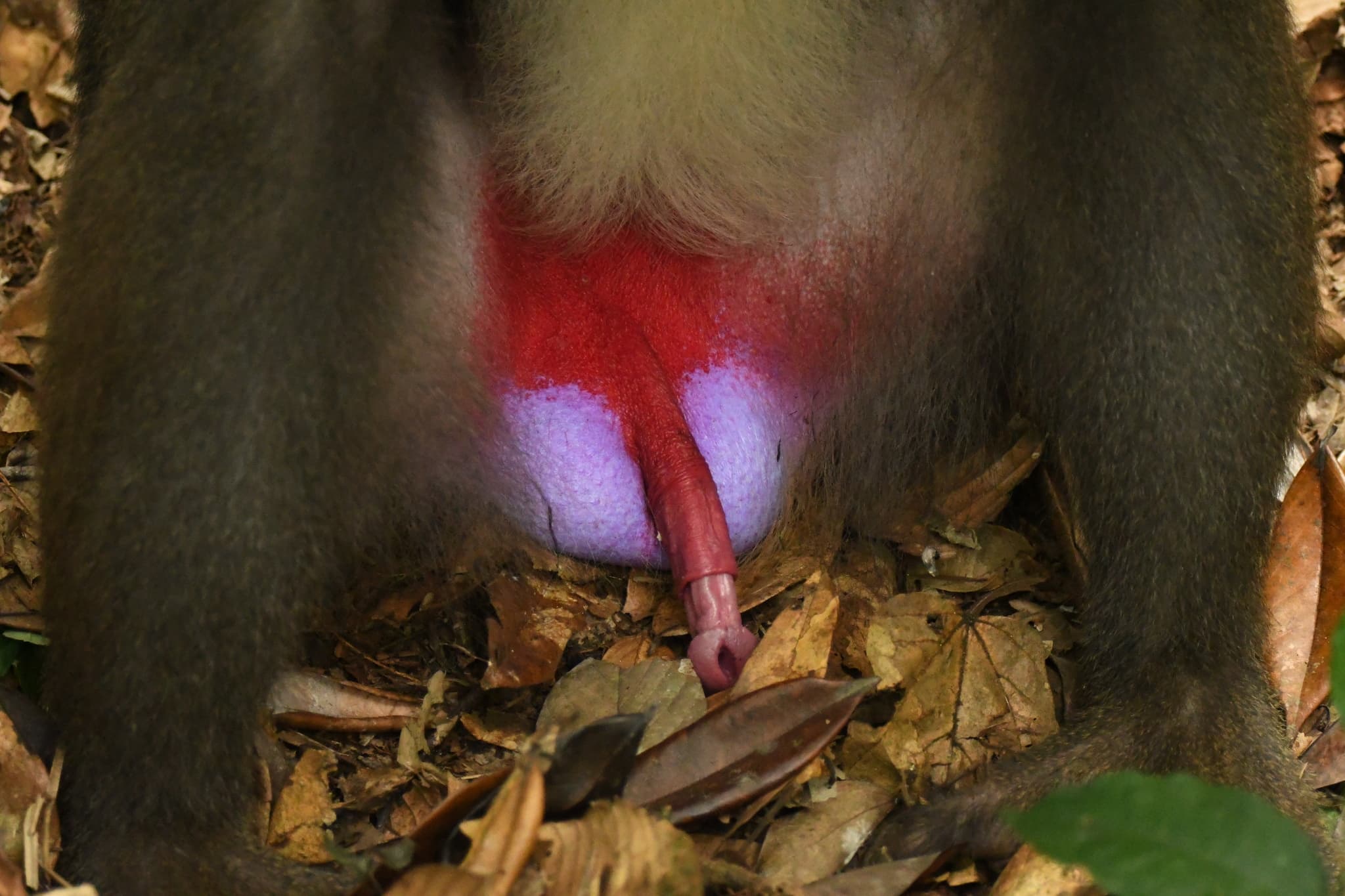
Mandrill
Mandrillus sphinx
The mandrill is the largest monkey species and adult males display vivid blue, red, and yellow facial and rump coloration. It lives in large social groups that forage through Central African forests. Mandrills are powerful omnivores, but hunting and habitat loss have reduced populations across much of their range.
Read facts →
 Near Threatened
Maned Wolf
Chrysocyon brachyurus
The maned wolf is neither wolf nor fox but the sole member of its genus, a long-legged canid evolved to see over the tall grass of South American savannas. It is mostly solitary and nocturnal, communicating with a roar-like bark, and its distinctive urine smell is familiar to zoo visitors. Habitat conversion to farmland, road deaths, and disease from domestic dogs are its main threats.
Read facts →
 Least Concern
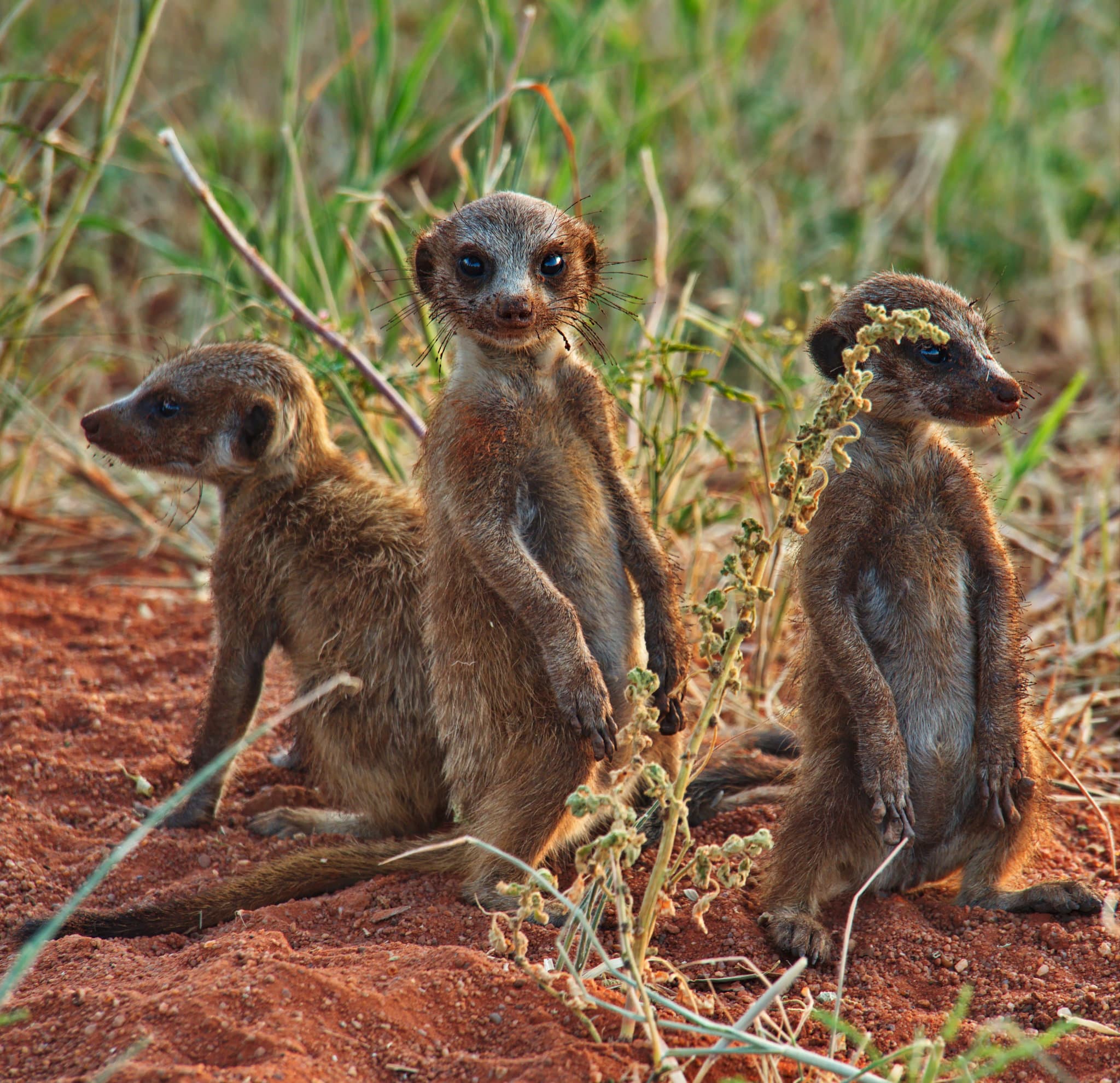
Meerkat
Suricata suricatta
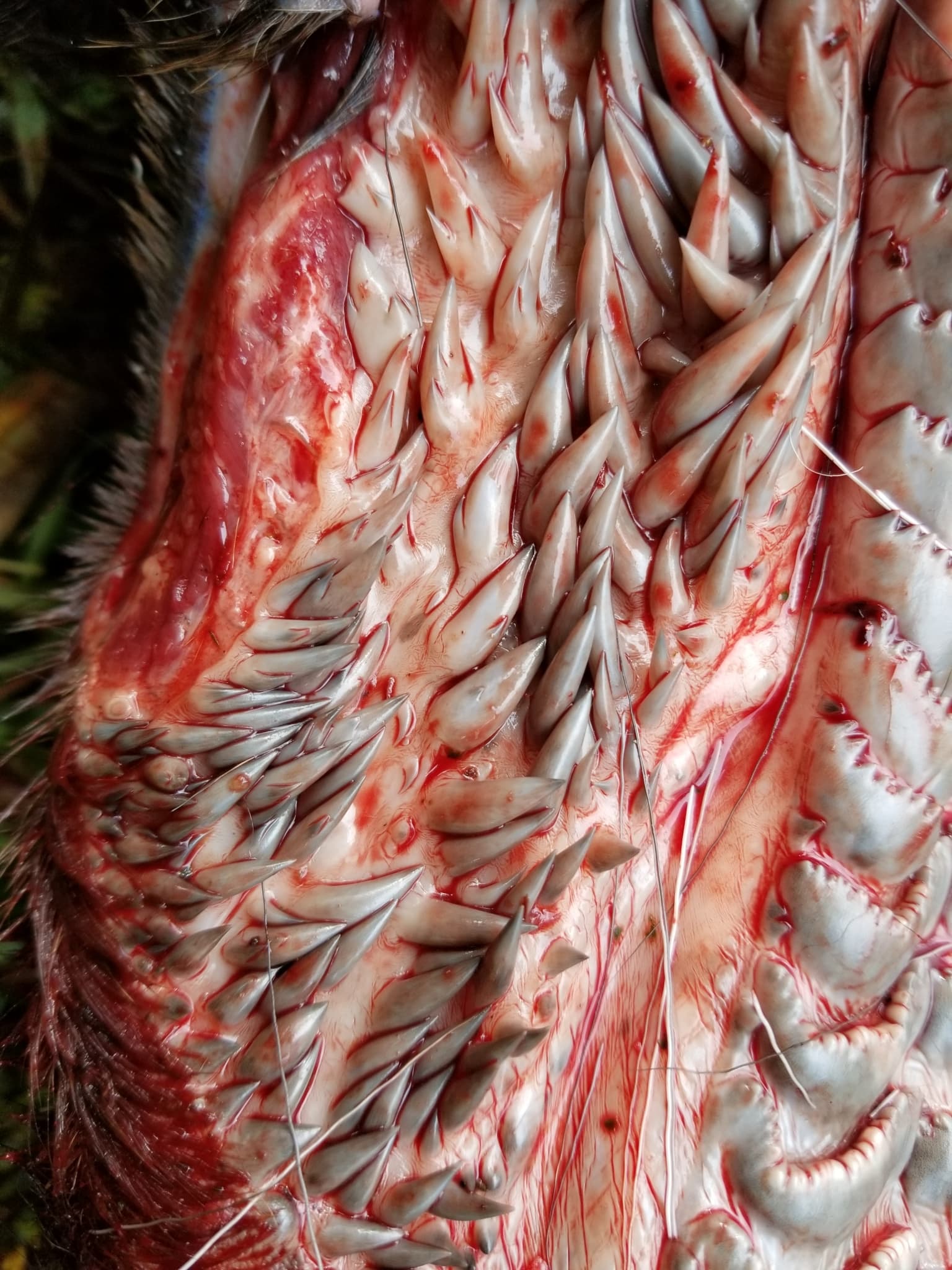
The meerkat is a small mongoose that lives in cooperative mobs with complex burrow systems. Group members take turns standing sentry while others forage, giving alarm calls for eagles, jackals, and snakes. Their social teamwork helps them survive harsh desert conditions and raise pups communally.
Read facts →
 Least Concern
Moose
Alces alces
The moose is the largest member of the deer family and is instantly recognized by its long legs, broad muzzle, and the huge palmate antlers of adult males. It browses shrubs and aquatic plants, often wading into lakes to feed. Despite its size, a moose is a strong swimmer and an important browser in northern forest ecosystems.
Read facts →
 Endangered
Mountain Gorilla
Gorilla beringei beringei
The mountain gorilla is one of the two subspecies of the eastern gorilla. It is listed as endangered by the IUCN as of 2018.
Read facts →
 Least Concern
Mule Deer
Odocoileus hemionus
Mule deer are named for their large mule-like ears and bounce away in a distinctive stotting gait with all four feet landing together. Males grow forked antlers that rebranch with age. Many herds migrate seasonally between summer mountains and winter ranges, and some undertake remarkable long-distance journeys now squeezed by fences, roads, and energy development.
Read facts →
 Least Concern
Muskox
Ovibos moschatus
Muskoxen are shaggy Pleistocene relics that survived the end of the Ice Age in Arctic refugia. When threatened, adults form a ring or line with horns facing out to shield calves from wolves. Their underwool, qiviut, is one of the warmest natural fibres on Earth. Hunted close to extinction by 1900, they were re-established across the Arctic in the twentieth century and remain a symbol of the far North.
Read facts →
 Least Concern
Narwhal
Monodon monoceros
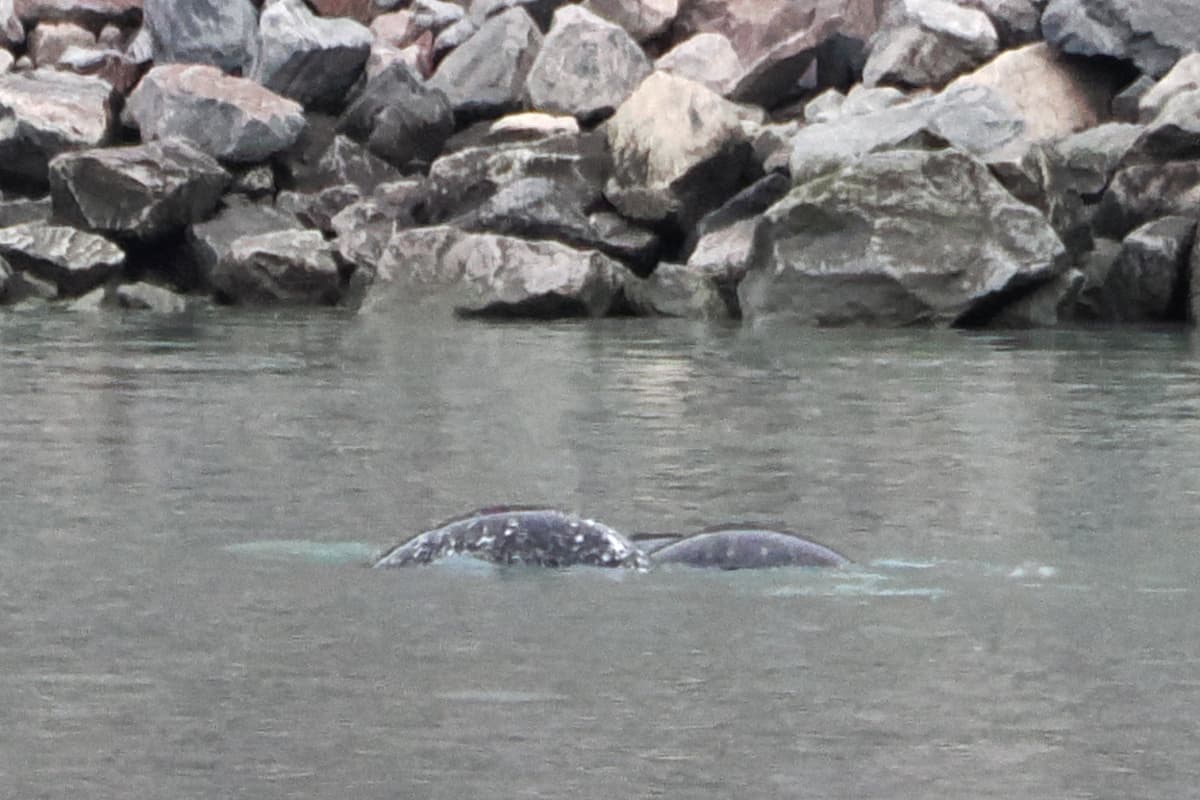
The narwhal is a small Arctic whale famous for the long spiral tusk grown by many males. It spends much of the year among sea ice and dives deeply to hunt fish and squid. Narwhals travel in groups and use sound to navigate dark polar waters, making them especially sensitive to ocean noise and changing ice conditions.
Read facts →
 Least Concern
Nine-Banded Armadillo
Dasypus novemcinctus
The nine-banded armadillo wears bony armor plates and can hold its breath for six minutes to walk across stream beds. Every litter consists of four genetically identical quadruplets from a single fertilized egg. It digs for ants and termites with powerful claws and shelters in burrow systems it may share with other animals. Its range has expanded steadily northward through the twentieth century, and it is now common in Texas and Florida.
Read facts →
 Least Concern
North American Beaver
Castor canadensis
The North American beaver is the continent's most important wetland engineer, felling trees and building dams that create ponds and meadows used by countless other species. Trapping had removed beavers from much of their range by 1900; protection and reintroductions have restored them across most of their historic range. Their ponds slow floods, filter water, and raise water tables, and conservation programs now move beavers to degraded streams deliberately.
Read facts →
 Least Concern
North American Porcupine
Erethizon dorsatum
The North American porcupine carries up to 30,000 barbed quills that detach on contact but cannot be thrown. Its winter diet of bark makes it one of the few mammals able to live off trees through the boreal cold. Fishers are among the few predators able to flip and kill them; porcupines otherwise climb and sit quietly in canopy feeding trees, largely unhurried.
Read facts →
 Endangered
Numbat
Myrmecobius fasciatus
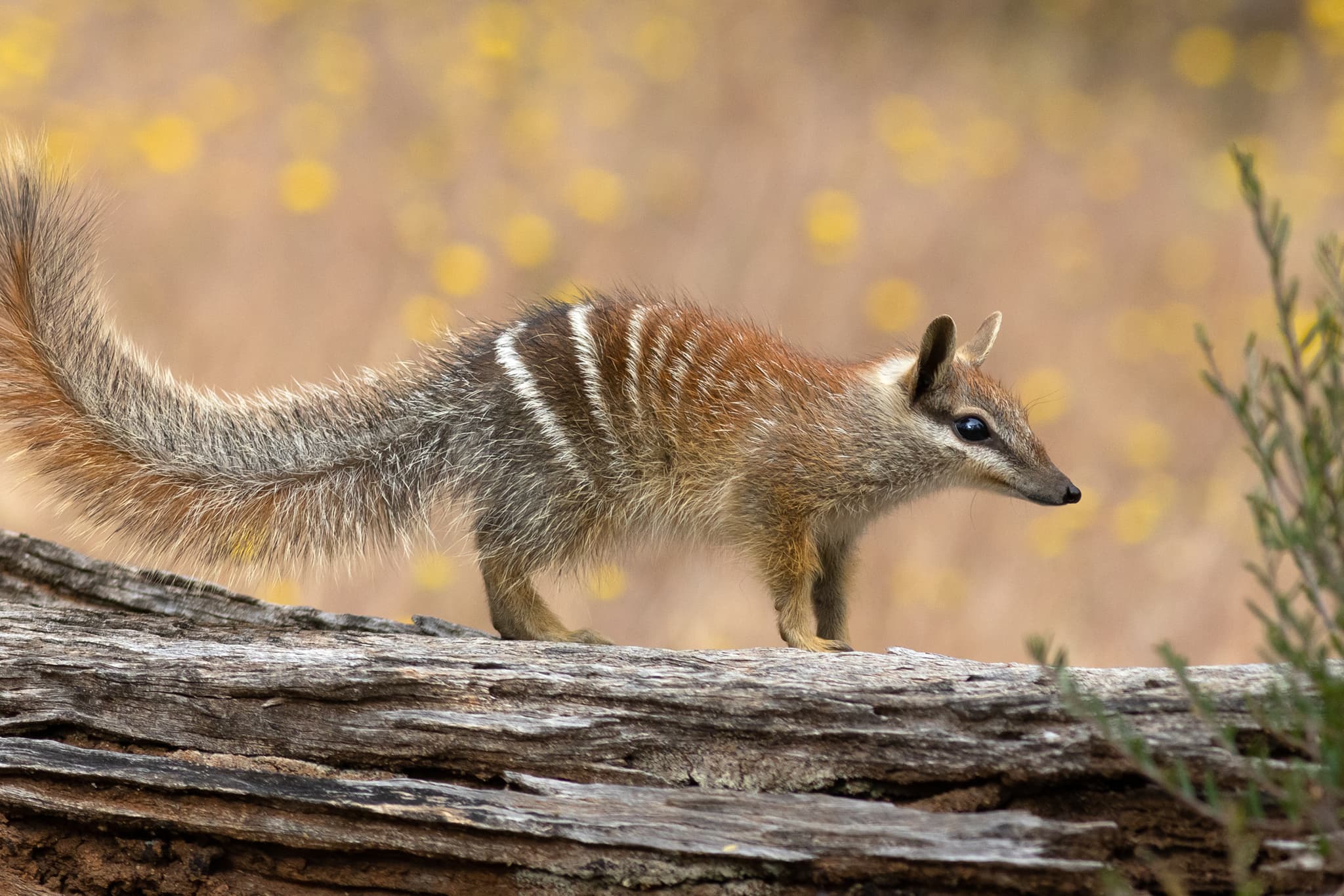
The numbat is a small striped marsupial that feeds almost entirely on termites. Unlike many Australian mammals, it is active by day because termites are available near the surface in daylight warmth. Habitat loss and introduced predators caused major declines, and surviving populations rely heavily on predator control.
Read facts →
 Least Concern
Ocelot
Leopardus pardalis
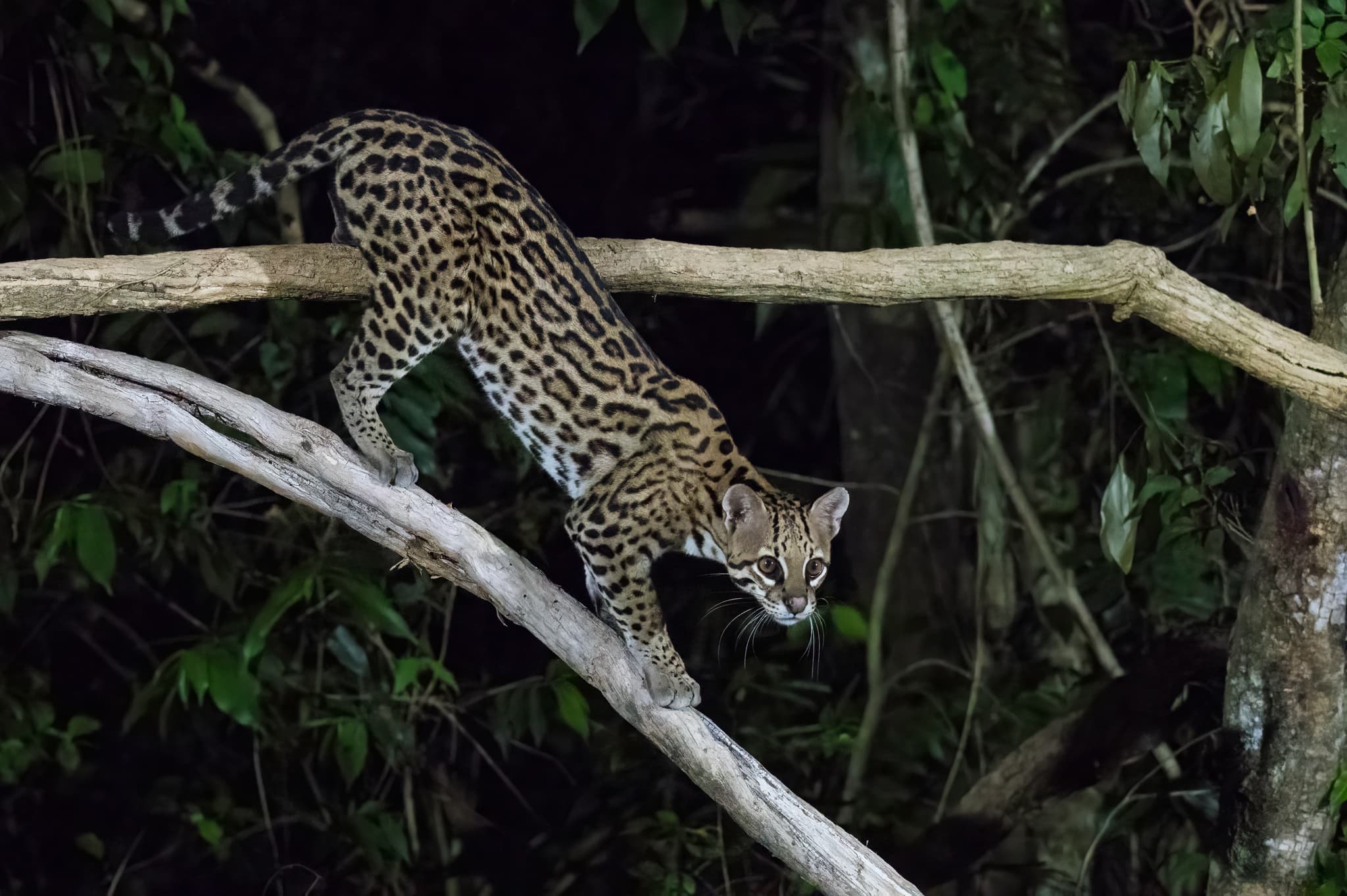
The ocelot is a medium-sized wild cat patterned with bold rosettes and stripes. It hunts mostly at night, moving quietly through dense cover to catch small vertebrates. Although widespread, local populations depend on connected habitat and are vulnerable where roads and forest clearing fragment their range.
Read facts →
 Endangered
Okapi
Okapia johnstoni
The okapi is the only living relative of the giraffe and has zebra-like leg stripes that camouflage it in rainforest shadows. It uses a long prehensile tongue to strip leaves and groom its eyes and ears. Because it lives only in a limited part of the Congo Basin, forest protection is critical for its survival.
Read facts →
 Data Deficient
Orca
Orcinus orca
The orca, or killer whale, is a toothed whale and the largest member of the oceanic dolphin family. The only extant species in the genus Orcinus, it is recognizable by its distinct pigmentation; being mostly black on top, white on the bottom and having recognizable white eye patches.
Read facts →
 Least Concern
Pine Marten
Martes martes
Pine martens are slender, tree-climbing mustelids with rich brown fur and a cream-yellow throat bib. They bound along branches after squirrels, voles, and berries, denning in tree hollows and old bird nests. Deforestation and predator control once shrank their range, but they are recovering in Scotland, Ireland, and Scandinavia — where they also suppress grey squirrels and so help red squirrels.
Read facts →
 Near Threatened
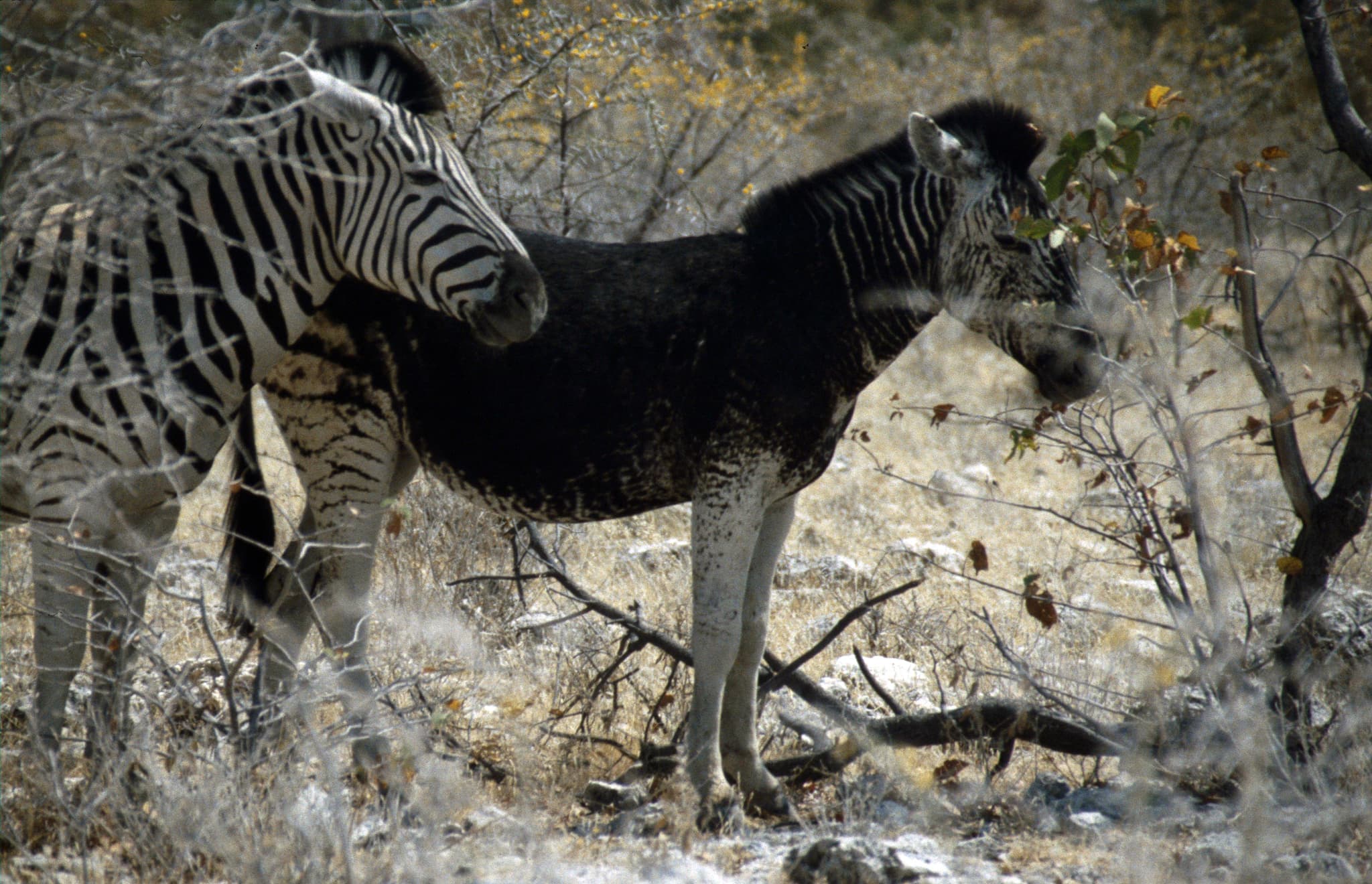
Plains Zebra
Equus quagga
Plains zebras are social equids that travel in family groups and larger migratory herds. Their stripes may help with individual recognition, thermoregulation, and biting-fly avoidance. By clipping grasses and moving nutrients across landscapes, zebras are important members of savanna grazing communities.
Read facts →
 Near Threatened
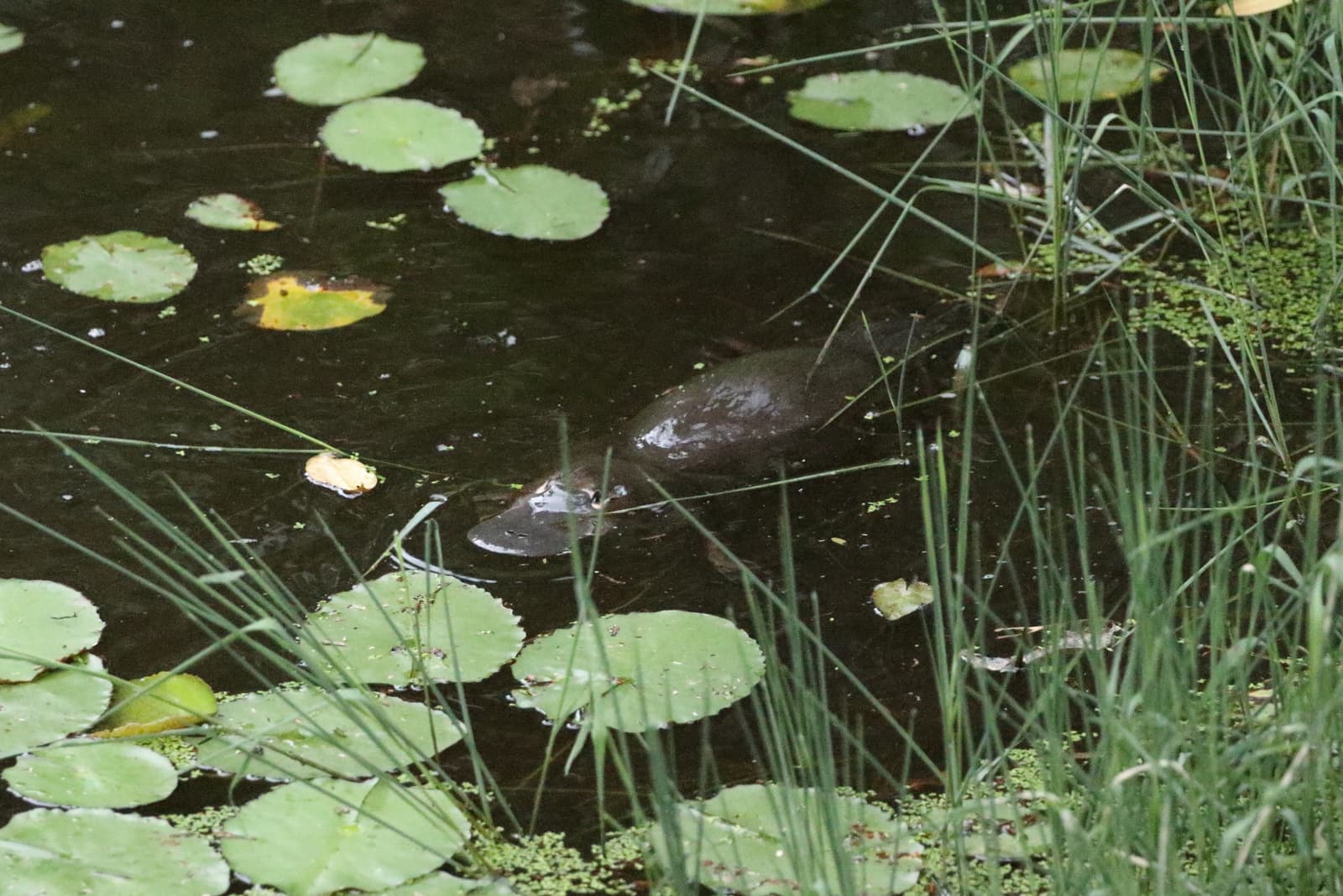
Platypus
Ornithorhynchus anatinus
The platypus is one of the world’s few egg-laying mammals and combines a duck-like bill, webbed feet, and a beaver-like tail. It closes its eyes and ears underwater, finding prey through electroreceptors in its bill. Males carry venomous ankle spurs, while females nurse tiny hatchlings in burrows along freshwater banks.
Read facts →
 Vulnerable
Polar Bear
Ursus maritimus
The polar bear is a large bear native to the Arctic and nearby areas. It is closely related to the brown bear, and the two species can interbreed. The polar bear is the largest extant species of bear and land carnivore by body mass, with adult males weighing 300–800 kg (660–1,760 lb). The species is sexually dimorphic, as adult females are much smaller.
Read facts →
 Endangered
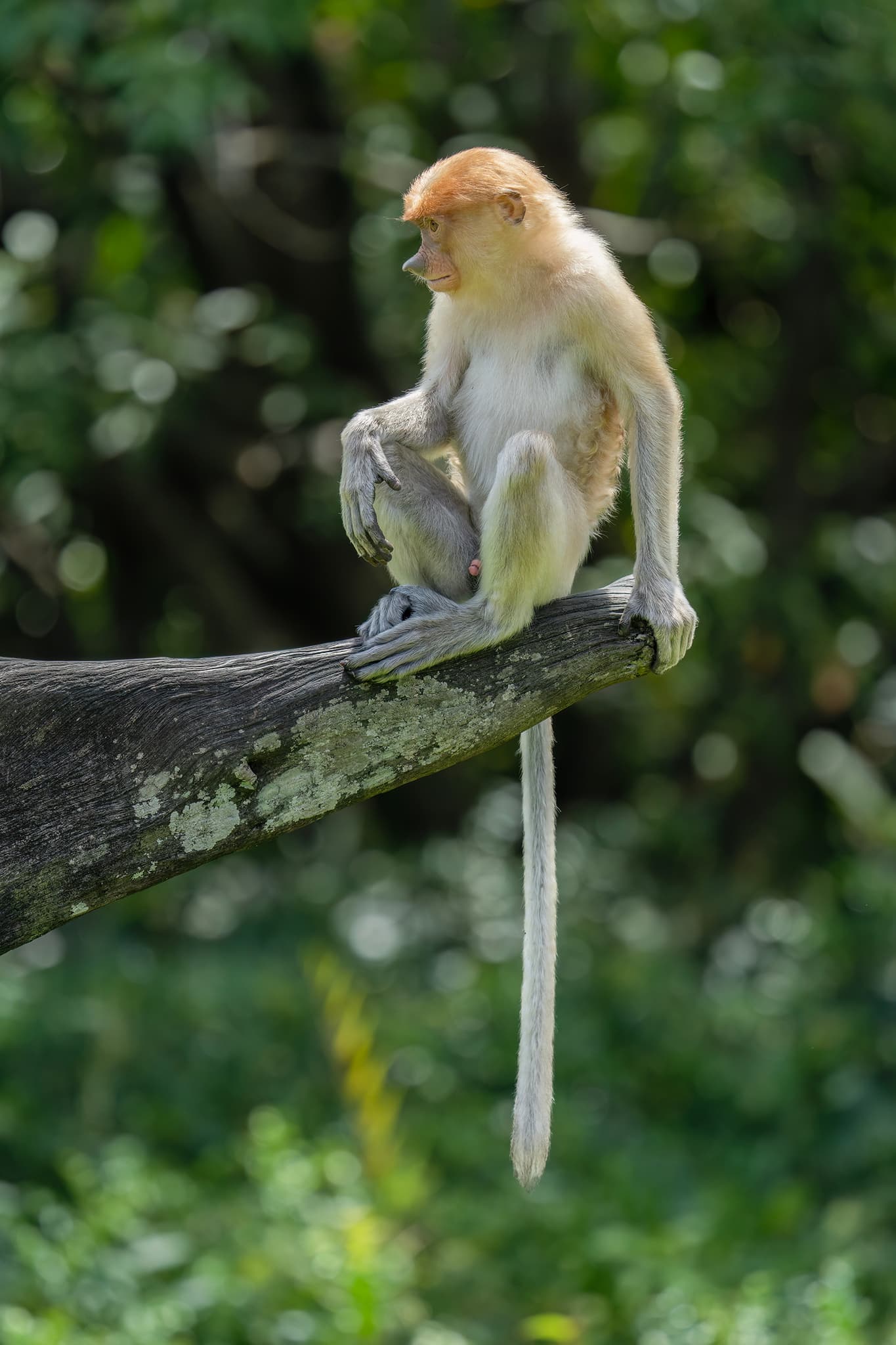
Proboscis Monkey
Nasalis larvatus
The proboscis monkey is a leaf-eating primate found only on Borneo, where males carry a remarkable pendulous nose. It lives near rivers and mangroves, often sleeping in trees over water and swimming when threatened. Its specialized stomach ferments leaves, but its habitat is rapidly reduced by logging and conversion of wetlands.
Read facts →
 Least Concern
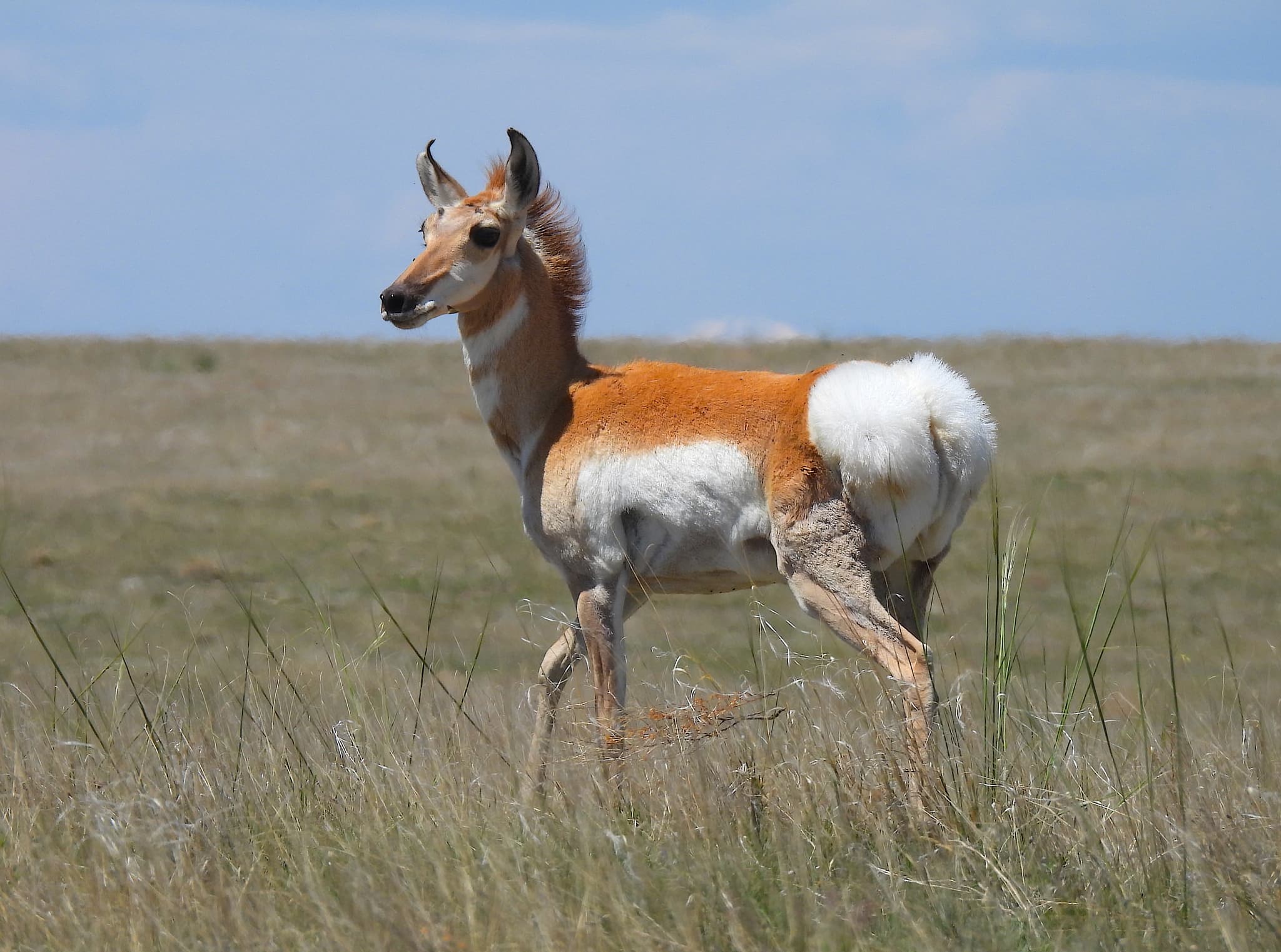
Pronghorn
Antilocapra americana
Pronghorn are the fastest land mammals in the Americas, built for long-distance running across open country. Their horns have a unique branching sheath that is shed and regrown. Fences and roads can block seasonal migrations, so wildlife-friendly crossings and fence modifications are important conservation tools.
Read facts →
 Endangered
Pygmy Hippopotamus
Choeropsis liberiensis
The pygmy hippopotamus is a smaller, more solitary forest relative of the common hippopotamus. It spends time in water and muddy wallows but forages mainly in dense forest at night. Logging, agriculture, and hunting have fragmented its remaining West African populations.
Read facts →
 Vulnerable
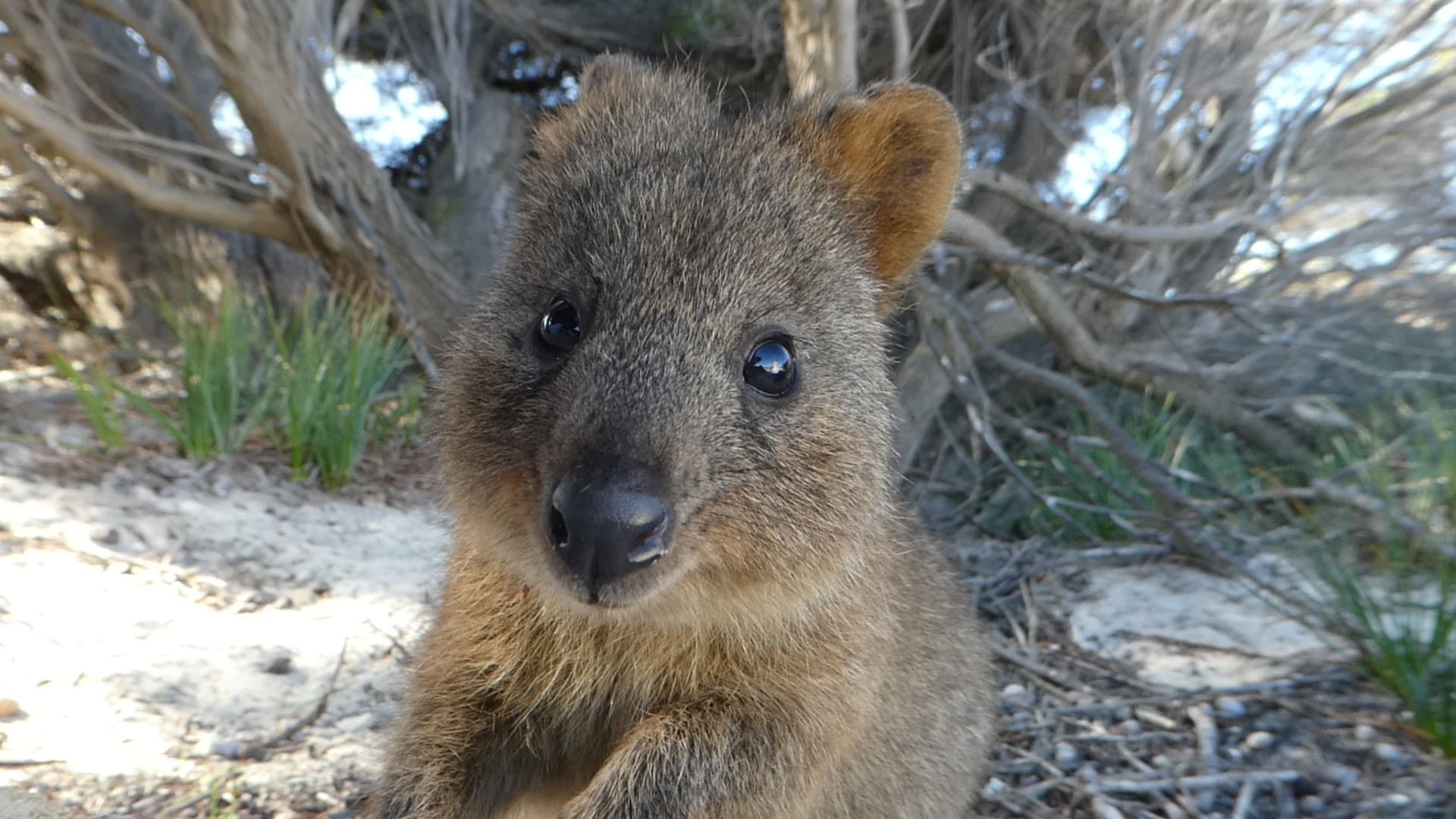
Quokka
Setonix brachyurus
The quokka is a small macropod related to wallabies and kangaroos. It shelters in dense vegetation and can survive dry periods by using stored fat and moisture-rich plants. Island populations are well known, but mainland quokkas remain vulnerable to habitat change and introduced predators.
Read facts →
 Least Concern
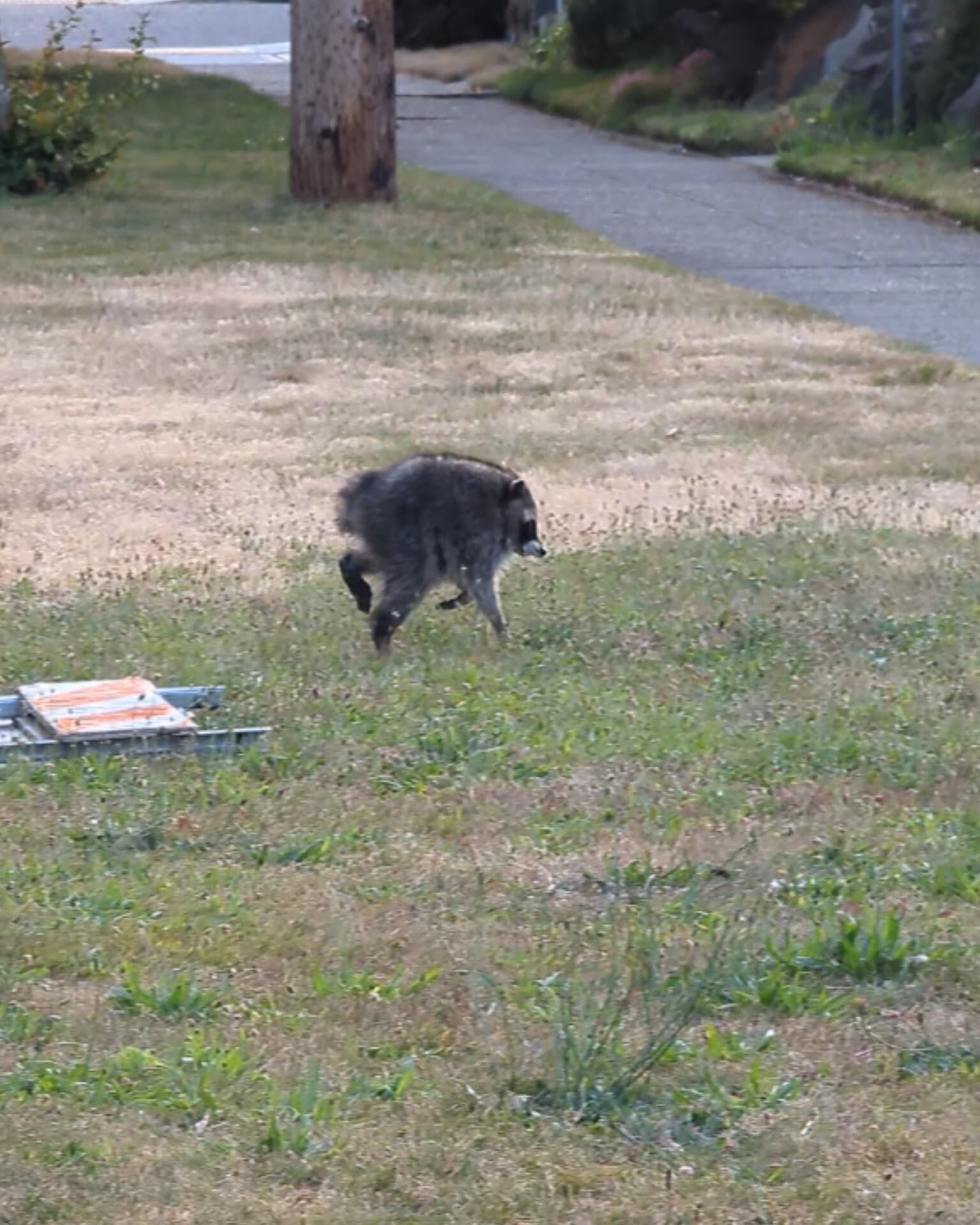
Raccoon
Procyon lotor
Raccoons are nocturnal mammals with sensitive forepaws used to investigate food and climb with agility. They den in tree cavities, rock crevices, burrows, and buildings, adapting easily to cities. Their intelligence and broad diet have helped them expand, but they can also spread disease and conflict with people.
Read facts →
 Least Concern
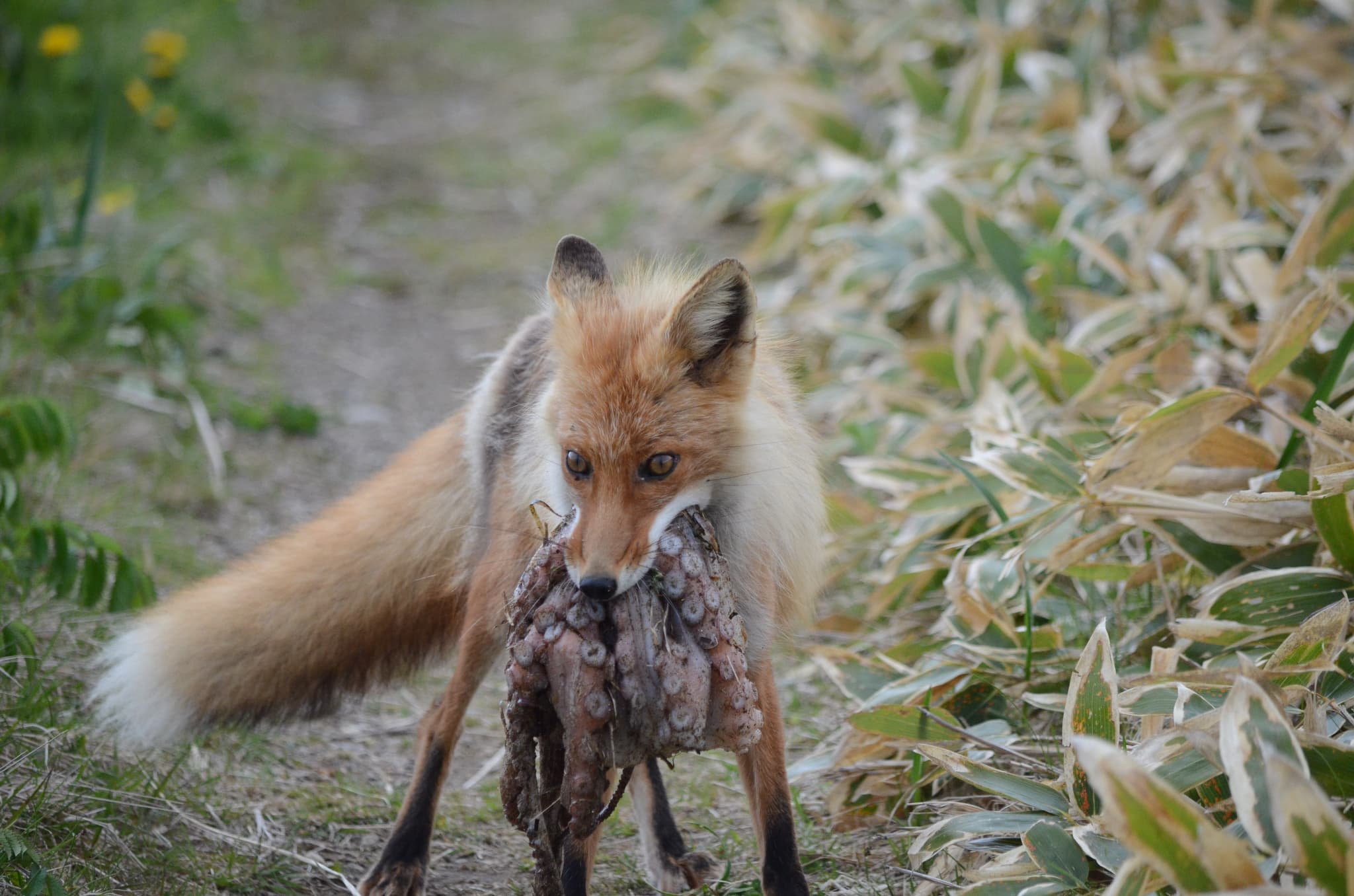
Red Fox
Vulpes vulpes
Red foxes are flexible predators and scavengers that thrive in both wild and human-shaped landscapes. Their keen hearing helps them locate small mammals under vegetation or snow before pouncing. Family groups use dens for raising pups and communicate through scent marks, calls, and body postures.
Read facts →
 Least Concern
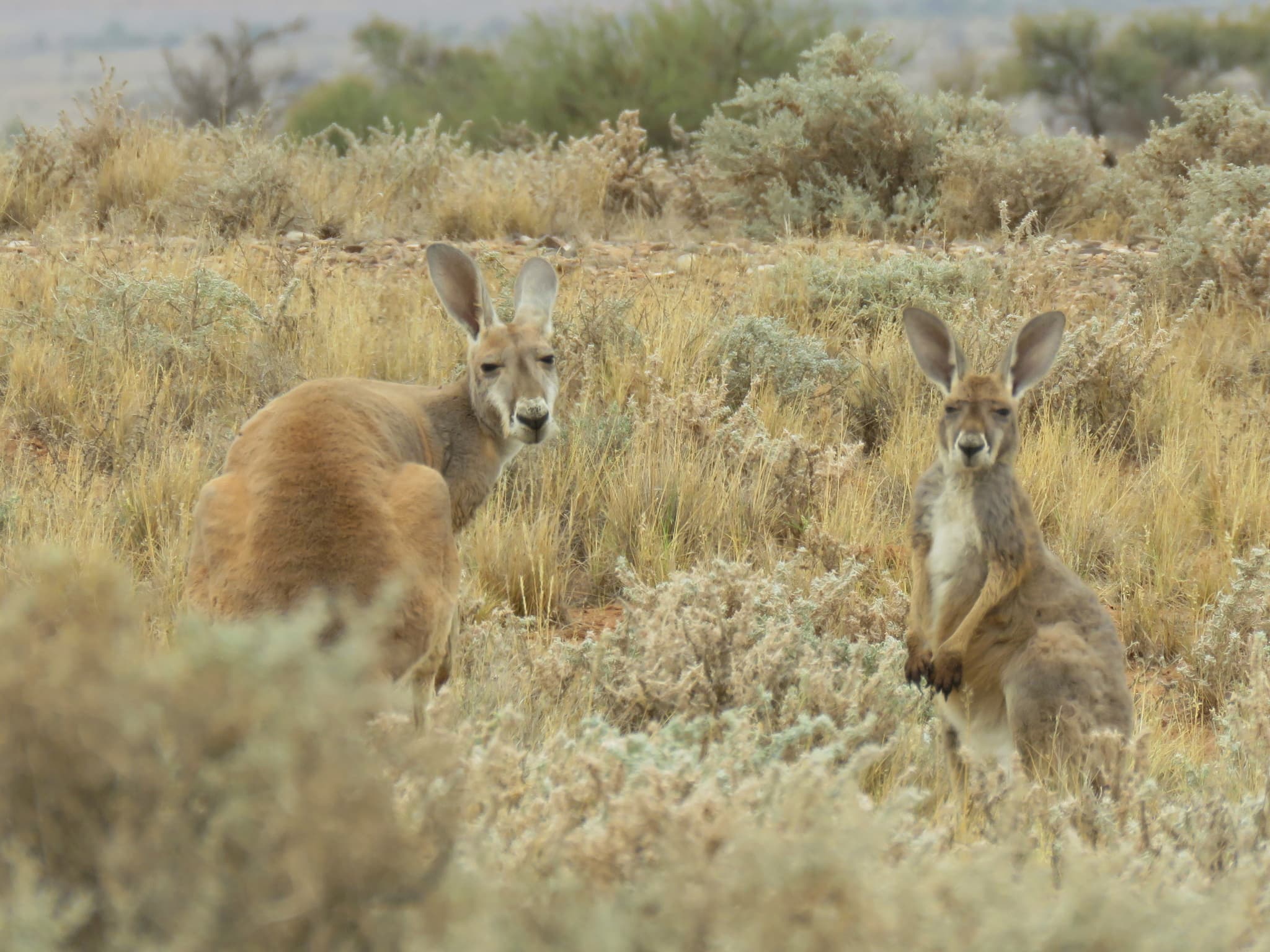
Red Kangaroo
Osphranter rufus
The red kangaroo is the largest of all kangaroos, the largest terrestrial mammal native to Australia, and the largest extant marsupial.
Read facts →
 Endangered
Red Panda
Ailurus fulgens
The red panda, also known as the lesser panda, is a small mammal native to the eastern Himalayas and southwestern China. It has dense reddish-brown fur with a black belly and legs, white-lined ears, a mostly white muzzle and a ringed tail. Its head-to-body length is 51–63. 5 cm (20. 1–25. 0 in) with a 28–48.
Read facts →
 Near Threatened
Red Squirrel
Sciurus vulgaris
Red squirrels are agile tree squirrels with rust-red coats and conspicuous ear tufts in winter. They hang upside down to strip seeds from conifer cones and cache nuts for winter, forgetting some that later sprout into new trees. In Britain their decline is tied to forest loss and to squirrelpox carried by introduced grey squirrels, but across the vast boreal forests of Europe and Asia they remain widespread.
Read facts →
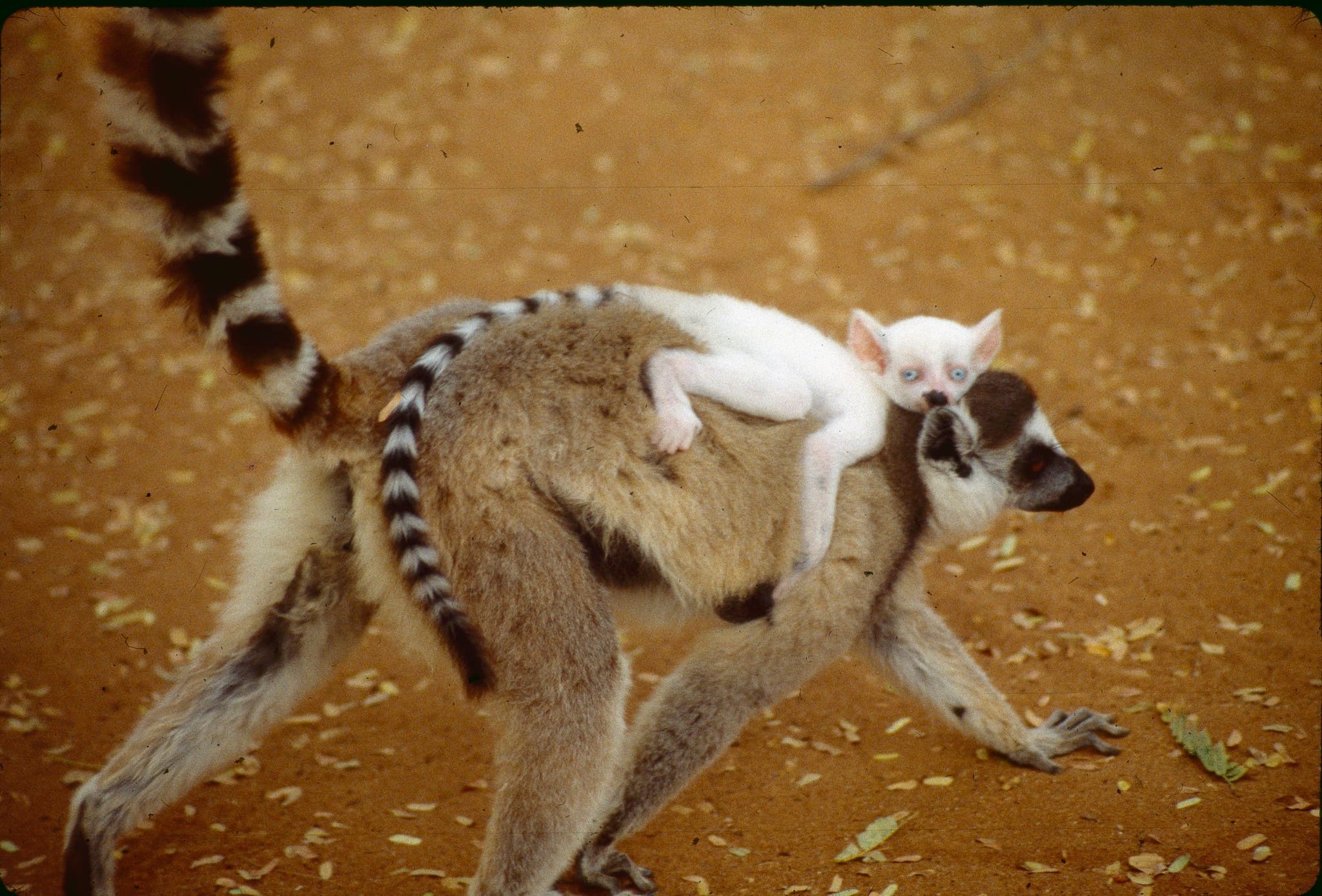 Endangered
Ring-tailed Lemur
Lemur catta
The ring-tailed lemur is a highly social primate famous for its long black-and-white banded tail. Troops are led by females and use scent marking, calls, and sunning postures to communicate. Habitat loss, hunting, and capture for the pet trade have made this once-common lemur endangered.
Read facts →
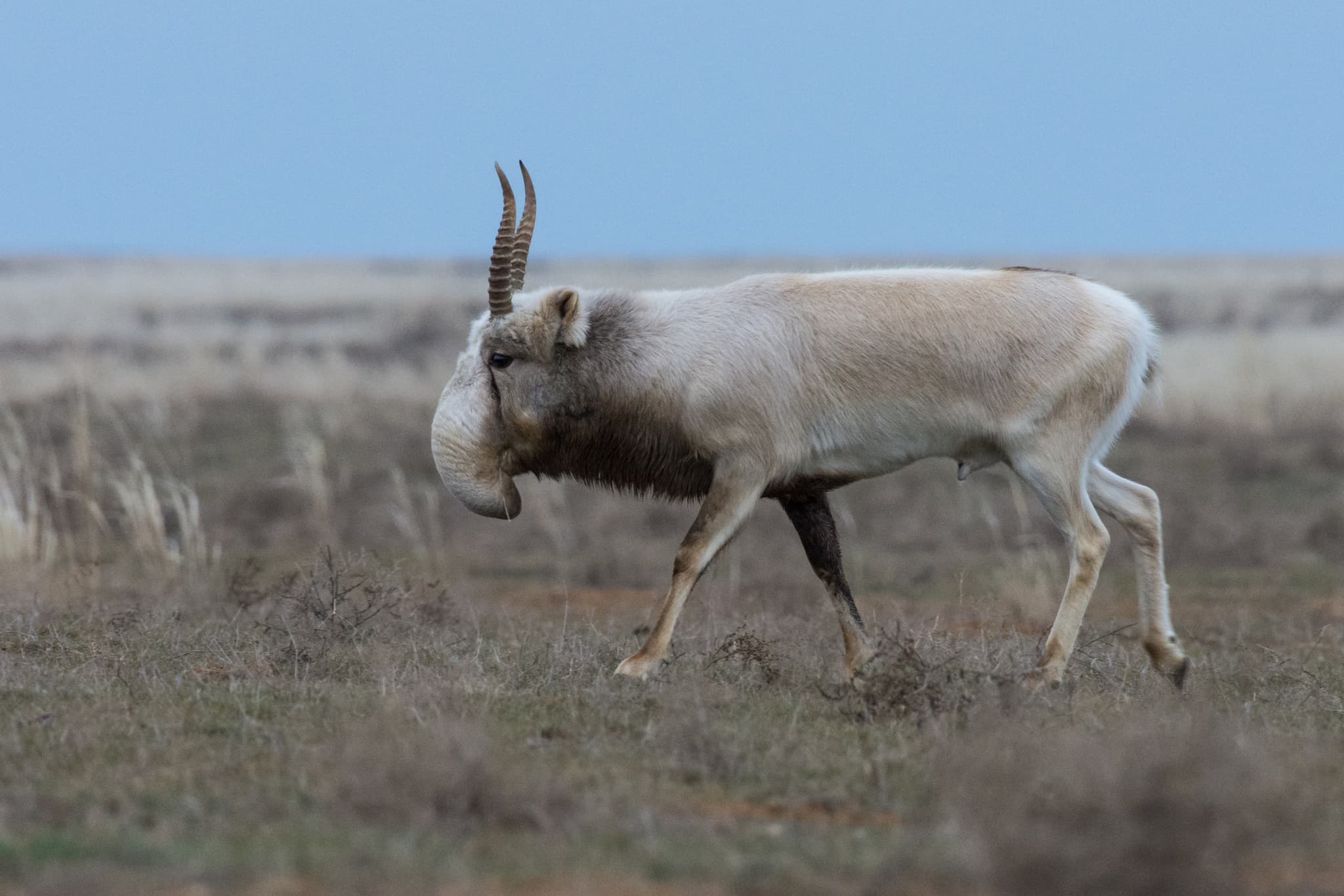 Near Threatened
Saiga Antelope
Saiga tatarica
The saiga antelope has an inflated flexible nose that filters dust in summer and warms cold air in winter. Herds migrate across open steppe, tracking seasonal grazing and water. After severe declines from hunting and disease, conservation action has helped some populations rebound, but the species remains vulnerable to sudden crashes.
Read facts →
 Endangered
Sea Otter
Enhydra lutris
The sea otter is a marine mammal native to the coasts of the northern and eastern North Pacific Ocean. Adult sea otters typically weigh between 14 and 45 kg (30–100 lb), making them the heaviest members of the weasel family, but among the smallest marine mammals.
Read facts →
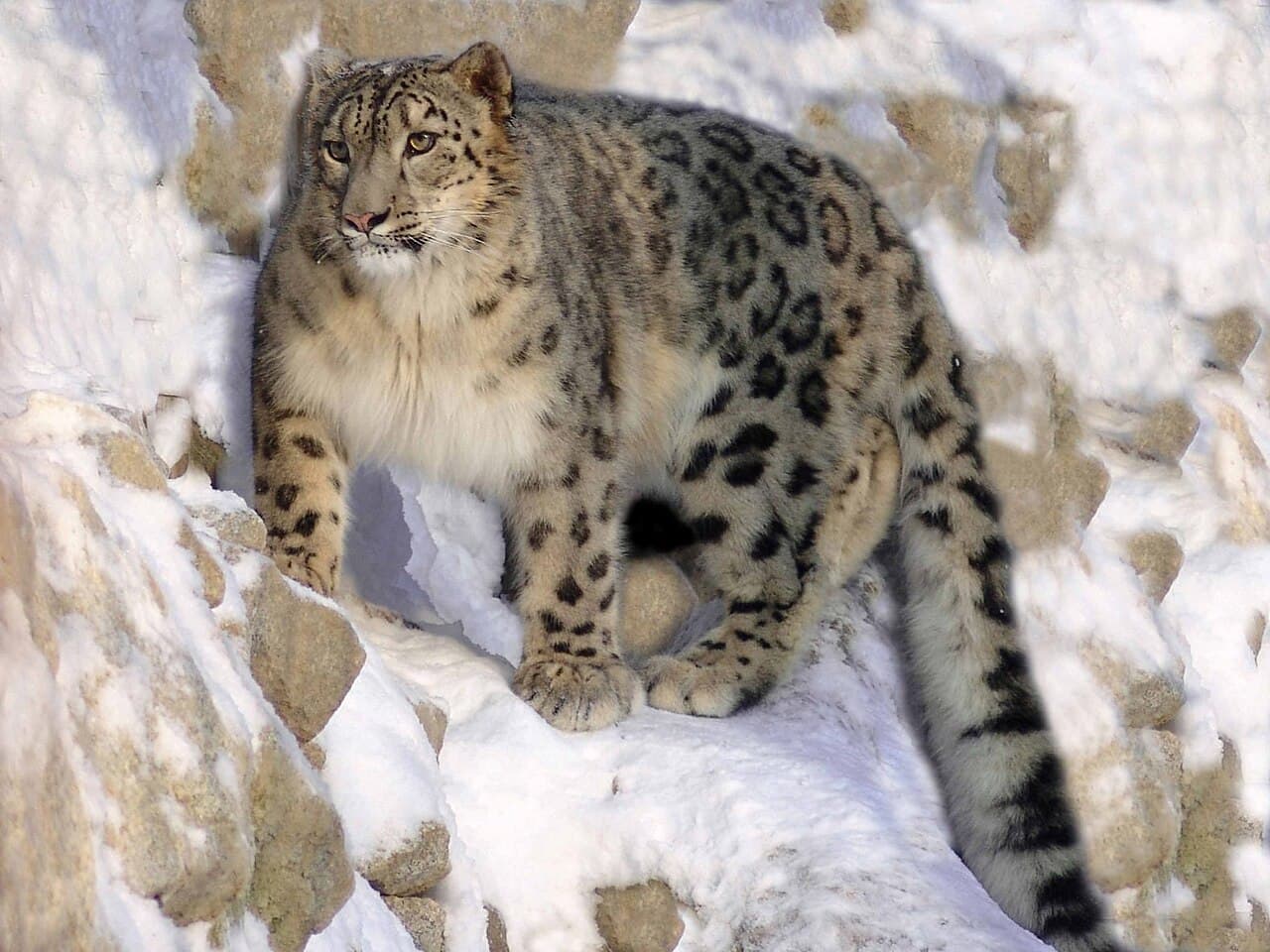 Vulnerable
Snow Leopard
Panthera uncia
The snow leopard is a species of large cat in the genus Panthera of the family Felidae. It is native to the mountain ranges of Central and South Asia, ranging from eastern Afghanistan, the Himalayas and the Tibetan Plateau to southern Siberia, Mongolia and Western China.
Read facts →
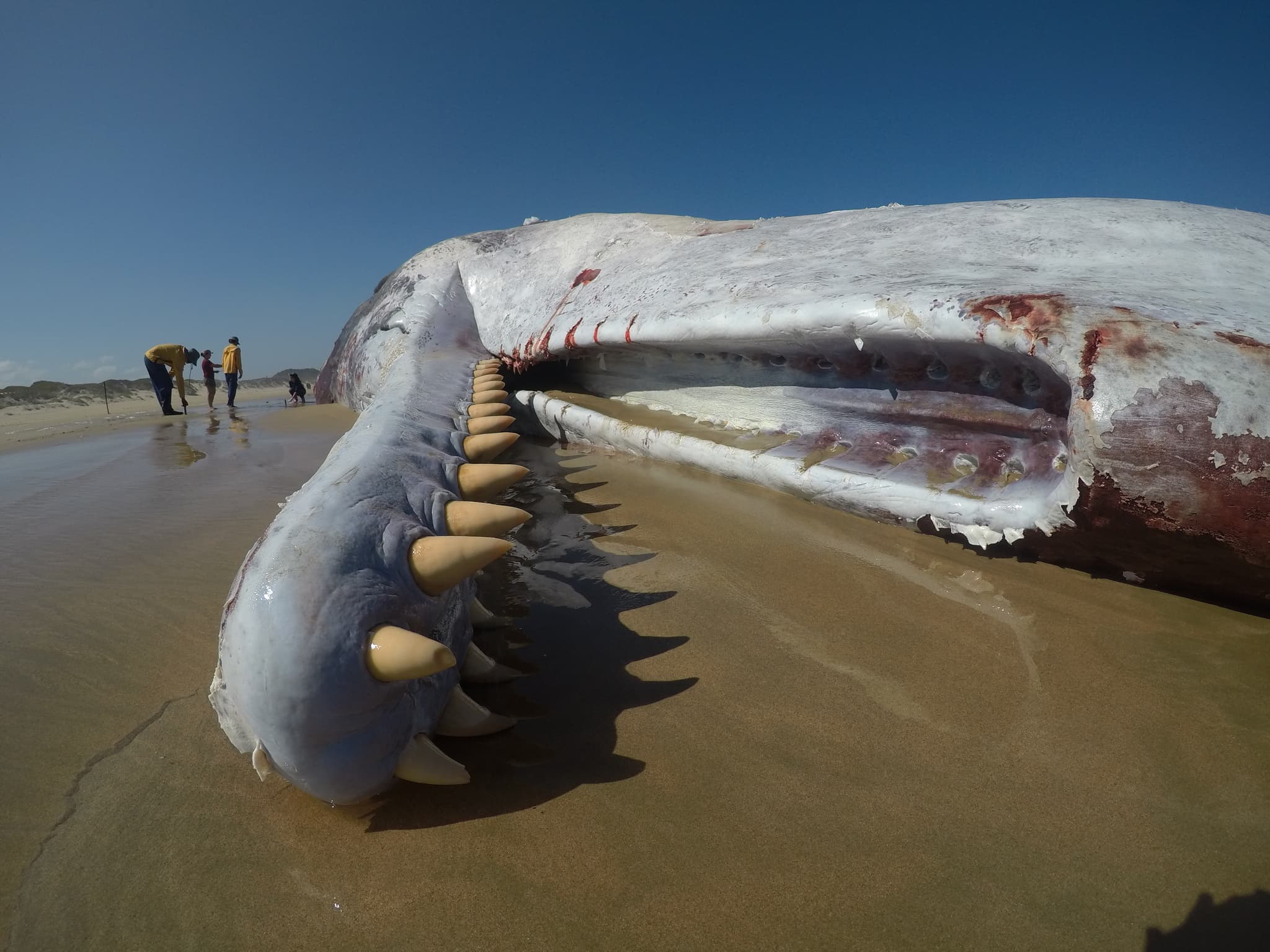 Vulnerable
Sperm Whale
Physeter macrocephalus
Sperm whales have the largest brains of any animal and can dive more than a kilometer to hunt in deep water. Females and young live in long-lasting social units, while adult males range widely between feeding and breeding areas. Historic whaling greatly reduced populations, and modern threats include ship strikes, entanglement, noise, and plastic ingestion.
Read facts →
 Least Concern
Striped Skunk
Mephitis mephitis
The striped skunk advertises its defence with bold white stripes: before spraying it hisses, stamps, and arches, then fires a sulfur compound accurate to 3 m from glands under its tail. Its warning pattern is mimicked by other species that benefit from the shared signal. Skunks den communally in winter and eat many garden pests, making them among the most recognized wild mammals of North America.
Read facts →
 Vulnerable
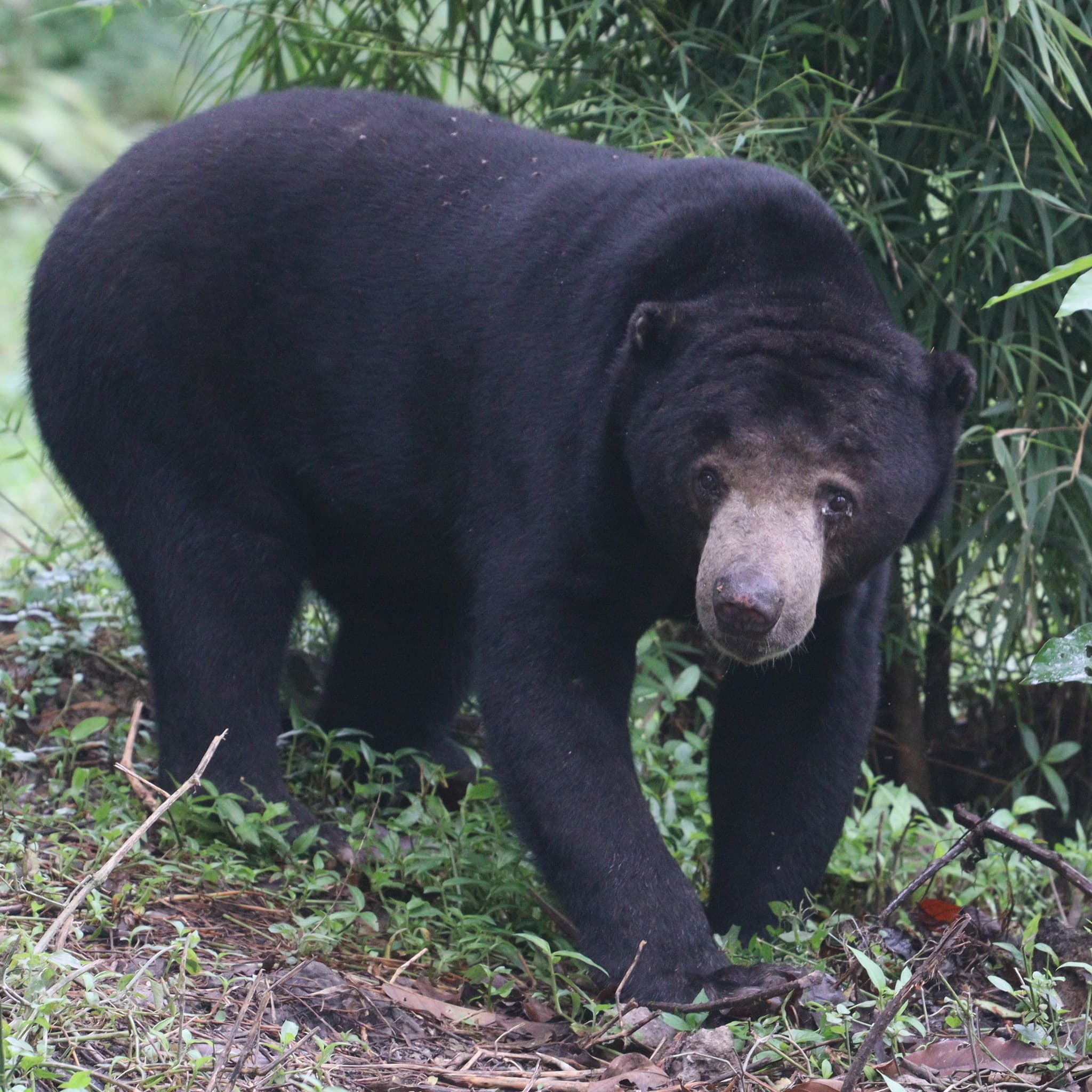
Sun Bear
Helarctos malayanus
The sun bear is the smallest bear species and is named for the pale crescent marking often found on its chest. Long claws and a very long tongue help it rip open logs and nests for termites, honey, and larvae. Forest loss and illegal wildlife trade are the main threats to this shy tropical bear.
Read facts →
 Critically Endangered
Sunda Pangolin
Manis javanica
The Sunda pangolin is covered in overlapping keratin scales that form a protective armor when it curls into a ball. It uses strong claws to tear into ant and termite nests, then gathers prey with a long sticky tongue. Heavy illegal trade for scales and meat has made this species one of the most threatened mammals in Asia.
Read facts →
 Endangered
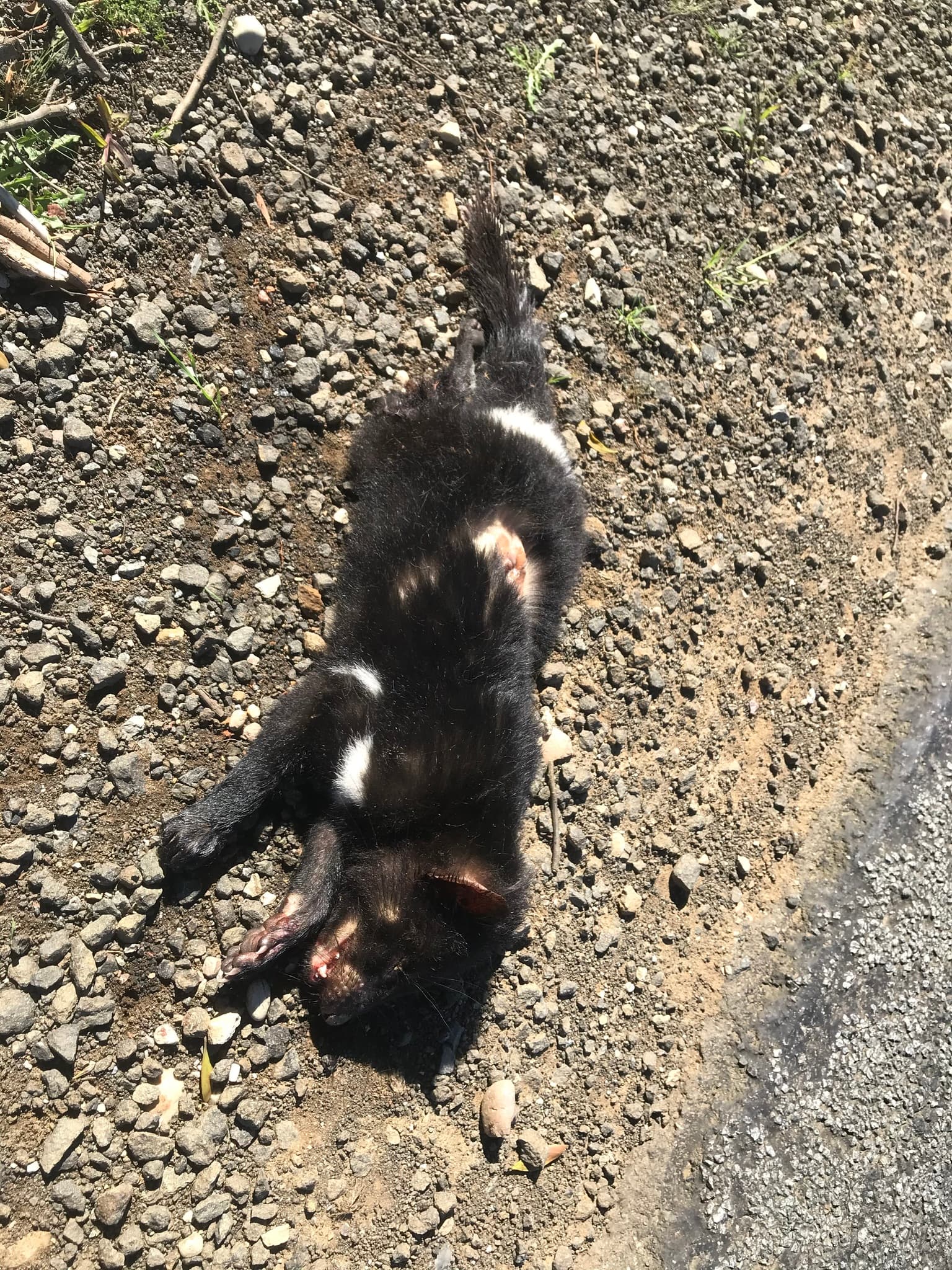
Tasmanian Devil
Sarcophilus harrisii
The Tasmanian devil is a stocky carnivorous marsupial with one of the strongest bites for its size. It scavenges efficiently, helping remove carrion from the landscape, and communicates with growls, screeches, and scent marks. A contagious facial tumor disease has severely reduced wild populations, making insurance populations and disease research essential.
Read facts →
 Least Concern
Virginia Opossum
Didelphis virginiana
The Virginia opossum is North America's only marsupial, a nocturnal generalist with a prehensile tail and opposable thumbs on its hind feet. Babies are born tiny and climb to the mother's pouch, later riding on her back. Its famous 'playing dead' is an involuntary defensive state that can last hours. Opossums resist some snake venoms and eat many ticks, making them quiet allies in backyards.
Read facts →
 Vulnerable
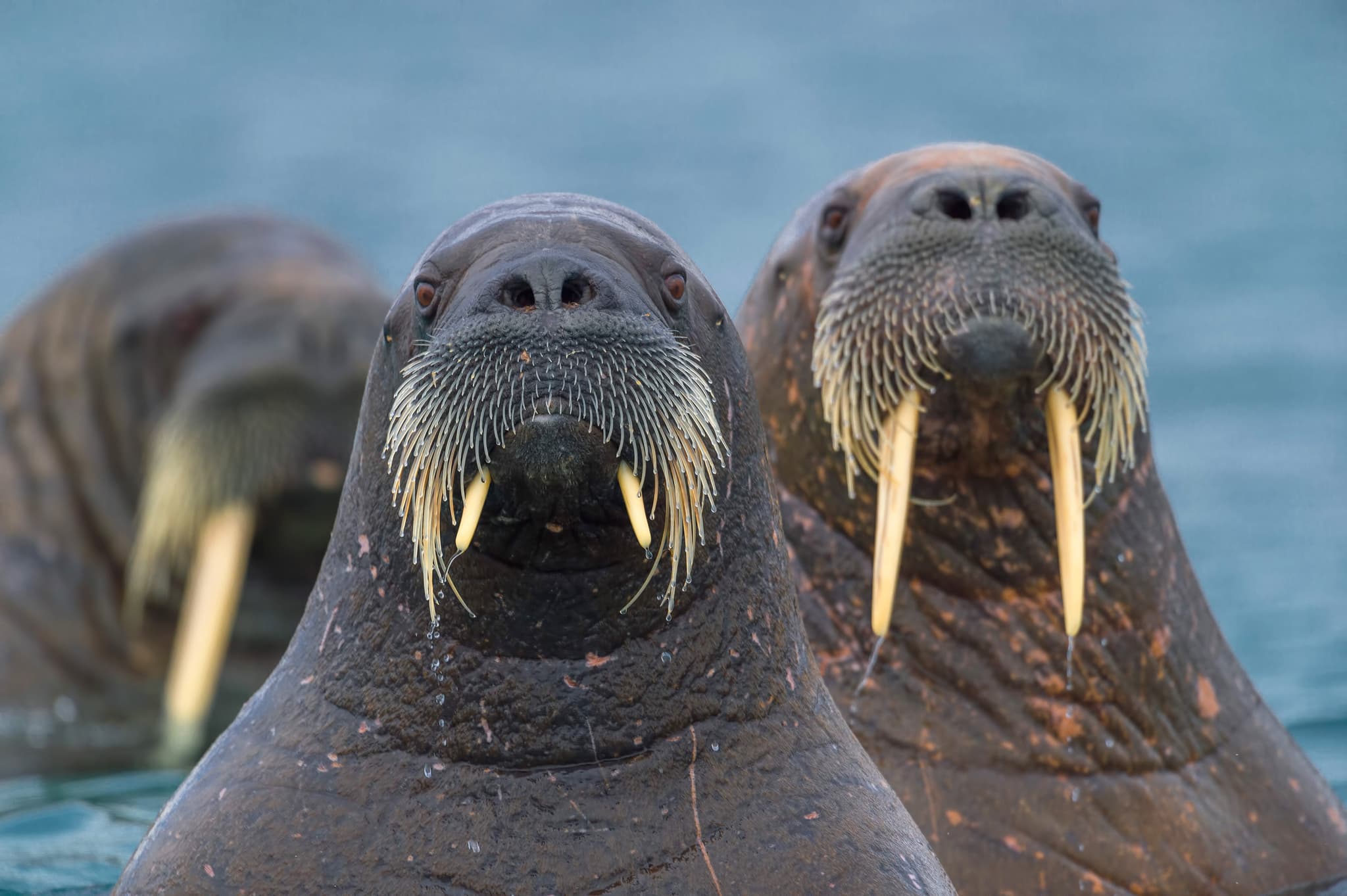
Walrus
Odobenus rosmarus
The walrus is a massive pinniped with long tusks, whiskered lips, and thick blubber for polar waters. It uses sensitive vibrissae to locate clams and other seafloor prey, often feeding in shallow continental shelf habitats. Walruses haul out in large groups and are increasingly affected by the loss of reliable sea ice.
Read facts →
 Vulnerable
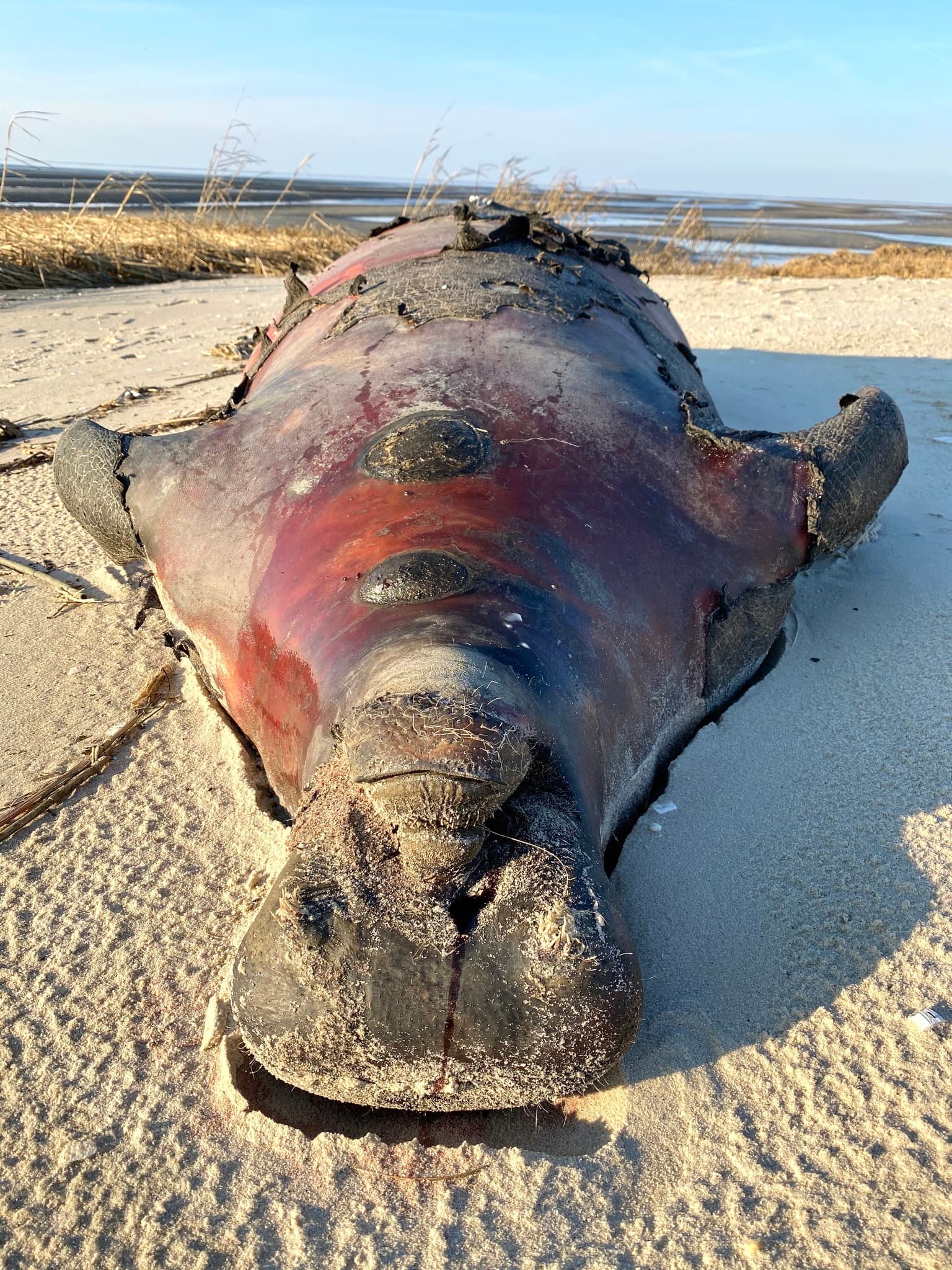
West Indian Manatee
Trichechus manatus
The West Indian manatee is a slow-moving marine mammal that grazes on aquatic vegetation in warm shallow waters. Its rounded body, flexible lips, and paddle-shaped tail are adapted for a peaceful life among seagrass beds and rivers. Boat strikes, habitat loss, and cold stress remain major threats to this long-lived sirenian.
Read facts →
 Near Threatened
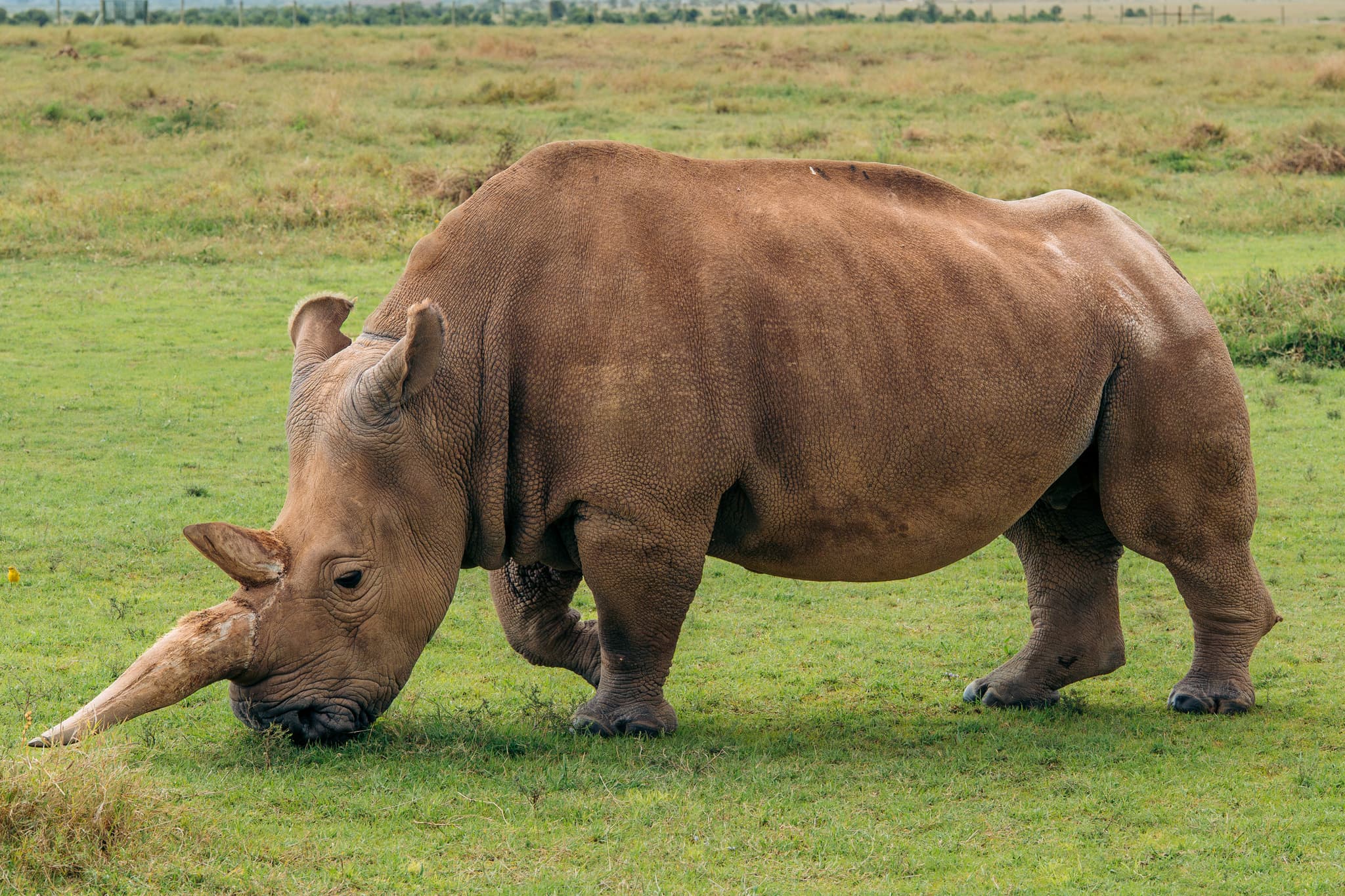
White Rhinoceros
Ceratotherium simum
White rhinoceroses are the most social rhinos and often graze in loose groups on short grasslands. Their wide mouths are adapted for mowing grass, unlike browsing rhinos with pointed lips. Conservation protection helped southern white rhinos rebound, but poaching for horn remains a severe threat.
Read facts →
 Least Concern
White-Tailed Deer
Odocoileus virginianus
White-tailed deer raise the white underside of their tail like a warning flag as they bound away, a signal visible across the whole herd. They thrive in the patchy edge habitat humans create and can reach high densities where hunting is light. Heavy browsing by abundant deer suppresses forest regeneration and songbird habitat, which makes their management a central issue in eastern North American woodlands.
Read facts →
 Vulnerable
Wolverine
Gulo gulo
The wolverine is the largest land-dwelling member of the weasel family, a tireless traveller with a reputation for stealing kills from wolves and even bears. Its broad paws act like snowshoes, and females den in deep snowpack that a warming climate threatens. Populations are naturally sparse, and trapping, habitat fragmentation, and shrinking snow make it vulnerable across much of its range.
Read facts →