Browse Animals by Category
Fish Species
Explore this list of fish species with photos and facts from the Animal World catalog, including scientific names, habitats, ranges, and conservation status for each animal.
This category hub links to 23 existing fish profiles, so you can jump from a photo thumbnail to deeper facts without adding any new species to the database.
Fish in Animal World
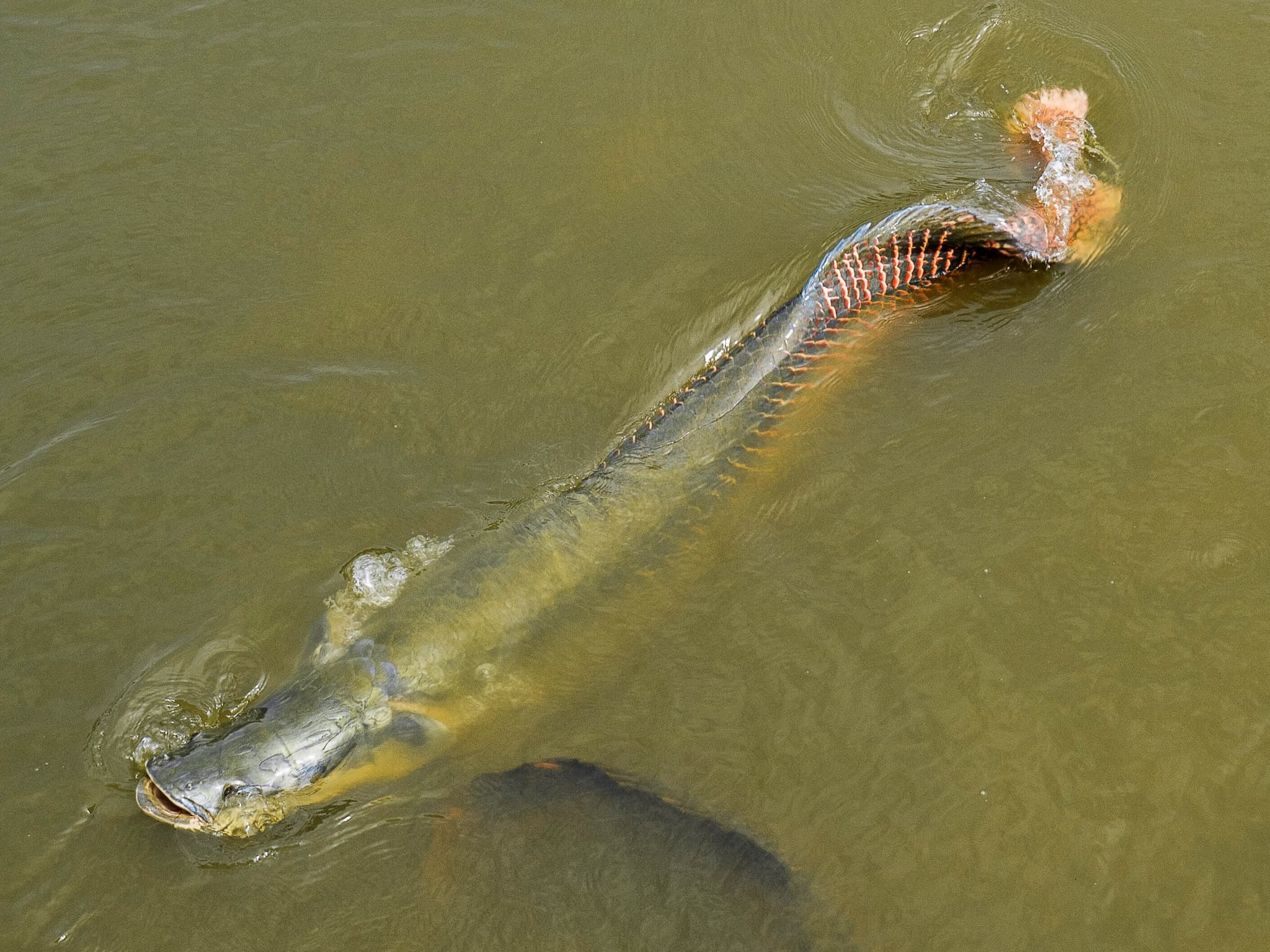 Data Deficient
Arapaima
Arapaima gigas
Arapaimas are huge freshwater fish that gulp air with a modified swim bladder, allowing them to survive oxygen-poor floodplain waters. Parents guard young in shallow nurseries. Heavy fishing reduced many populations, but community-managed lakes have shown that sustainable harvest can support recovery.
Read facts →
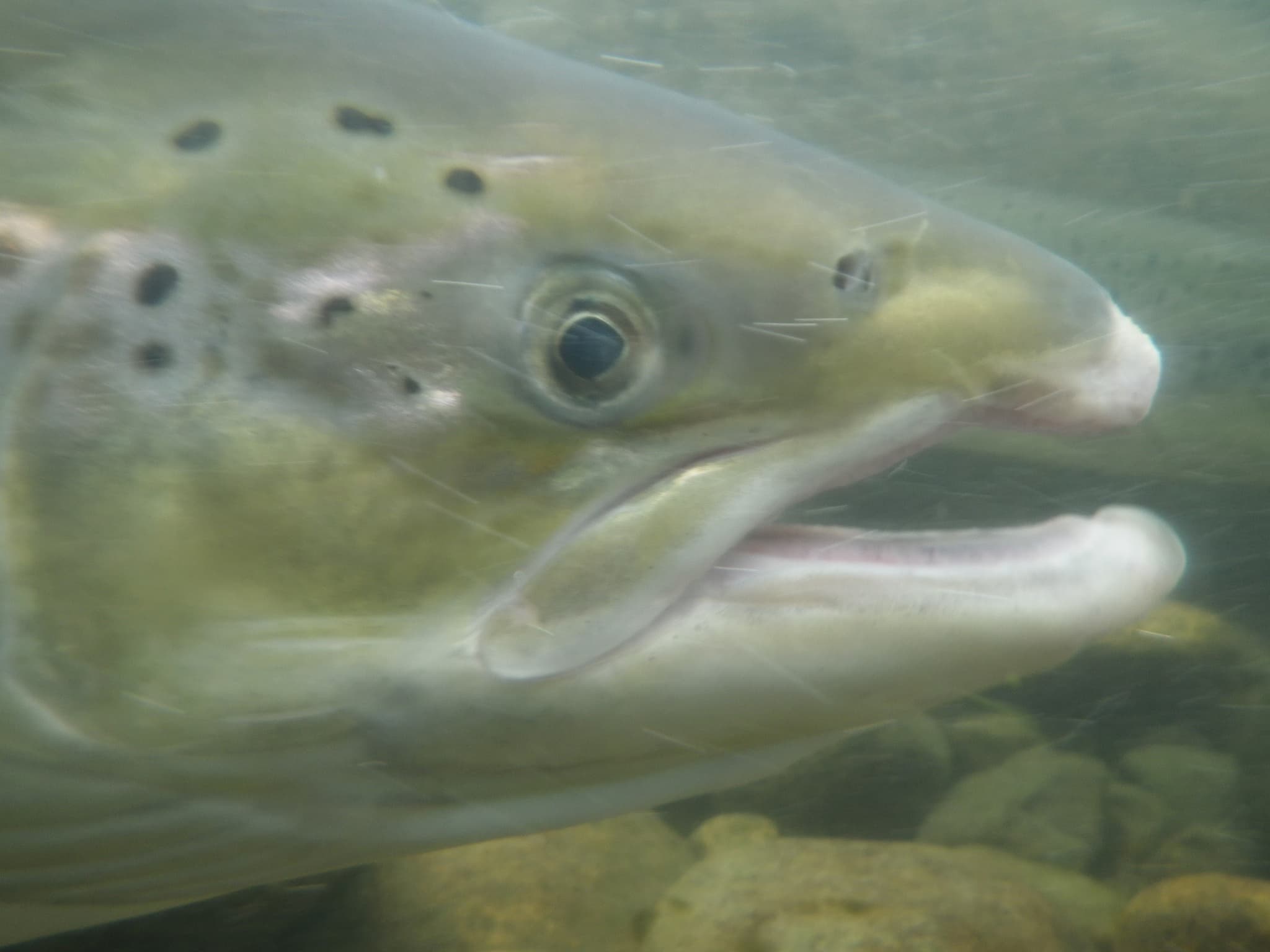 Least Concern
Atlantic Salmon
Salmo salar
Atlantic salmon hatch in freshwater, migrate to the ocean to grow, and often return to their natal rivers to spawn. This life cycle links forested headwaters, estuaries, and open ocean food webs. Dams, overfishing, warming rivers, and parasites from aquaculture have harmed many wild runs even though the species remains widespread.
Read facts →
 Endangered
Basking Shark
Cetorhinus maximus
The basking shark is the second-largest fish in the sea, a slow-moving filter feeder that swims open-mouthed through plankton blooms. It can sieve thousands of litres of water an hour and carries an enormous oily liver for buoyancy. Historically hunted for oil, it is Endangered in the northeast Atlantic and still at risk from ship strikes, entanglement, and illegal finning.
Read facts →
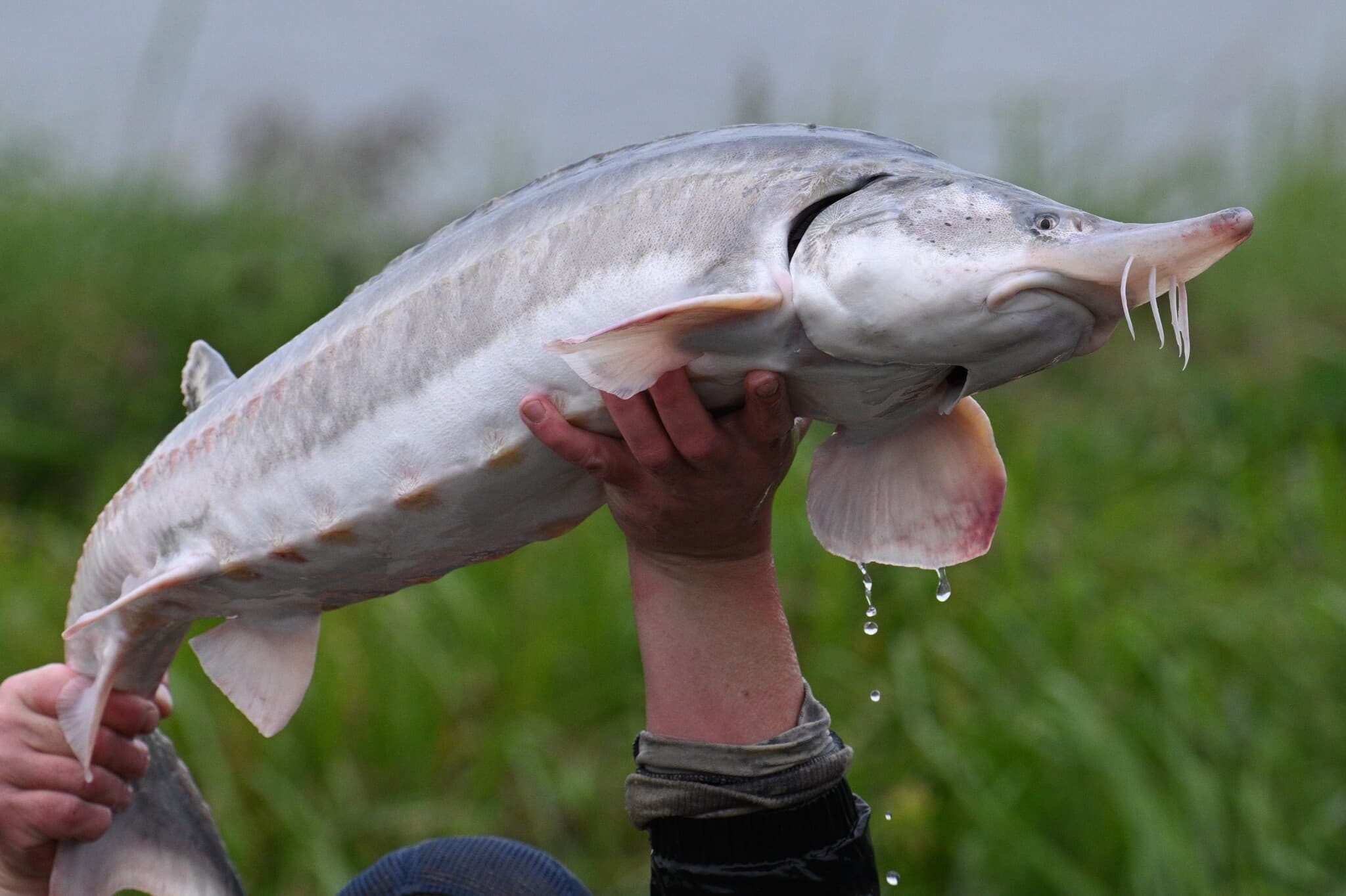 Critically Endangered
Beluga Sturgeon
Huso huso
Beluga sturgeons are long-lived anadromous fish that migrate from seas into large rivers to spawn. Their slow maturity and valuable roe made them extremely vulnerable to overfishing. Dams, poaching, habitat loss, and river fragmentation have left the species critically endangered.
Read facts →
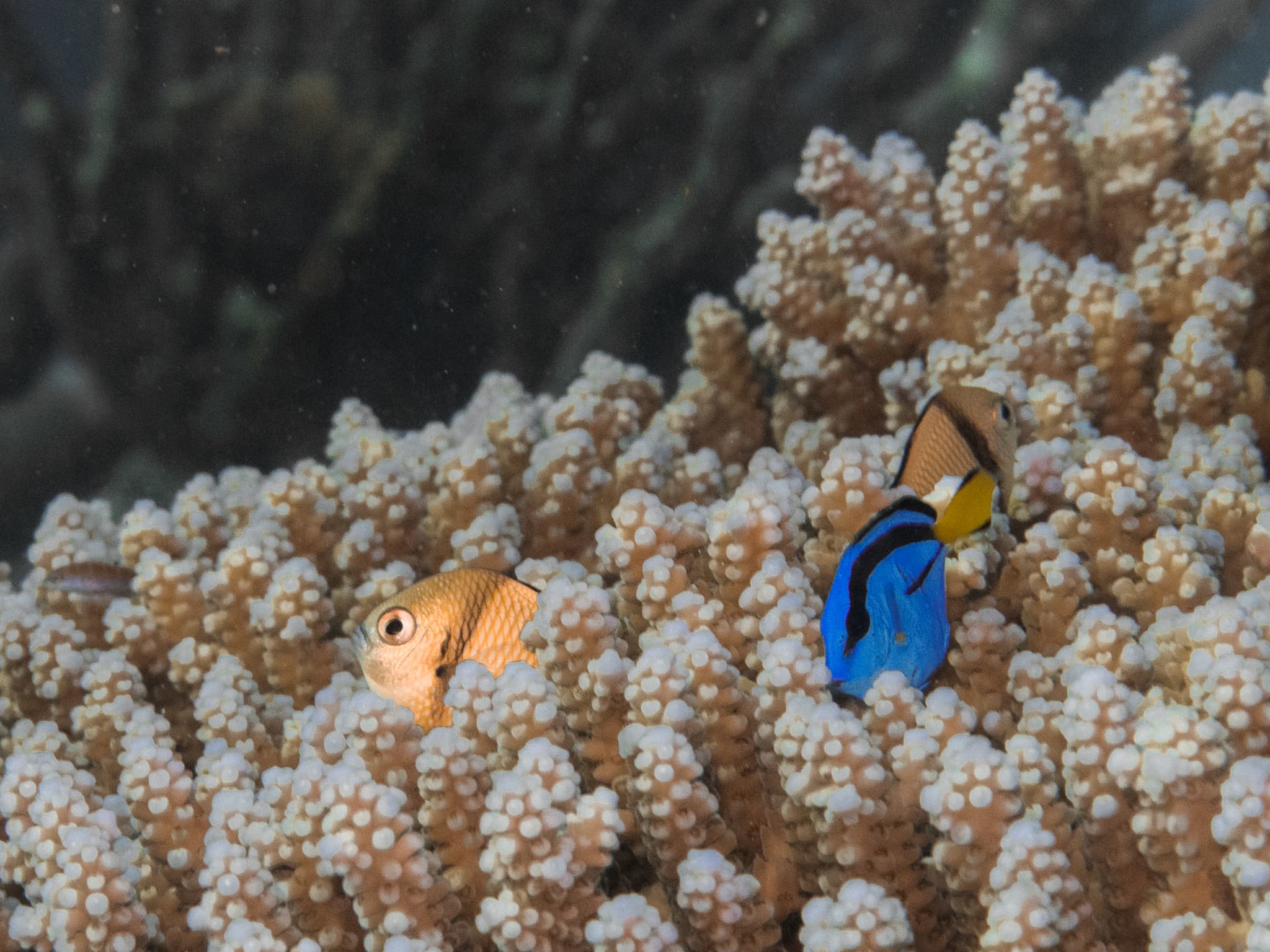 Least Concern
Blue Tang
Paracanthurus hepatus
The blue tang is a bright reef fish with a royal-blue body, black palette pattern, and yellow tail. Like other surgeonfish, it carries sharp scalpel-like spines near the tail base for defense. It grazes algae and helps keep reef surfaces clear for coral growth.
Read facts →
 Critically Endangered
Coelacanth
Latimeria chalumnae
The coelacanth was thought to have gone extinct with the dinosaurs until a living specimen was caught off South Africa in 1938, one of the great zoological surprises of the century. Its lobed, paddle-like fins move in an alternating gait unlike any other fish, and it gives birth to live young. It survives on deep volcanic slopes where cold upwelling water suits it; slow reproduction and accidental bycatch make it one of the rarest fish on Earth.
Read facts →
 Least Concern
Common Clownfish
Amphiprion ocellaris
The ocellaris clownfish, also known as the false percula clownfish or common clownfish, is a marine fish belonging to the family Pomacentridae, which includes clownfishes and damselfishes. A. ocellaris are found in different colors, depending on where they are located. For example, black A. ocellaris with white bands can be found near northern Hawaii, USA, North America, Australia, Southeast Asia, and Japan. Orange or red-brown A. ocellaris also exist with three similar white bands on the body and head. A. ocellaris can be distinguished from other Amphiprion species based on the number of pectoral rays and dorsal spines.
Read facts →
 Vulnerable
Common Seahorse
Hippocampus kuda
Hippocampus kuda, commonly known as the common seahorse, estuary seahorse, yellow seahorse or spotted seahorse, is a species of seahorse native to the coastal waters of the Indian and Pacific Oceans, ranging from the Persian Gulf and East Africa east to the Japanese coast and south to Australia. It inhabits estuaries, seagrass beds, mangroves, and coral reefs at depths from the surface to about 30 m.
Read facts →
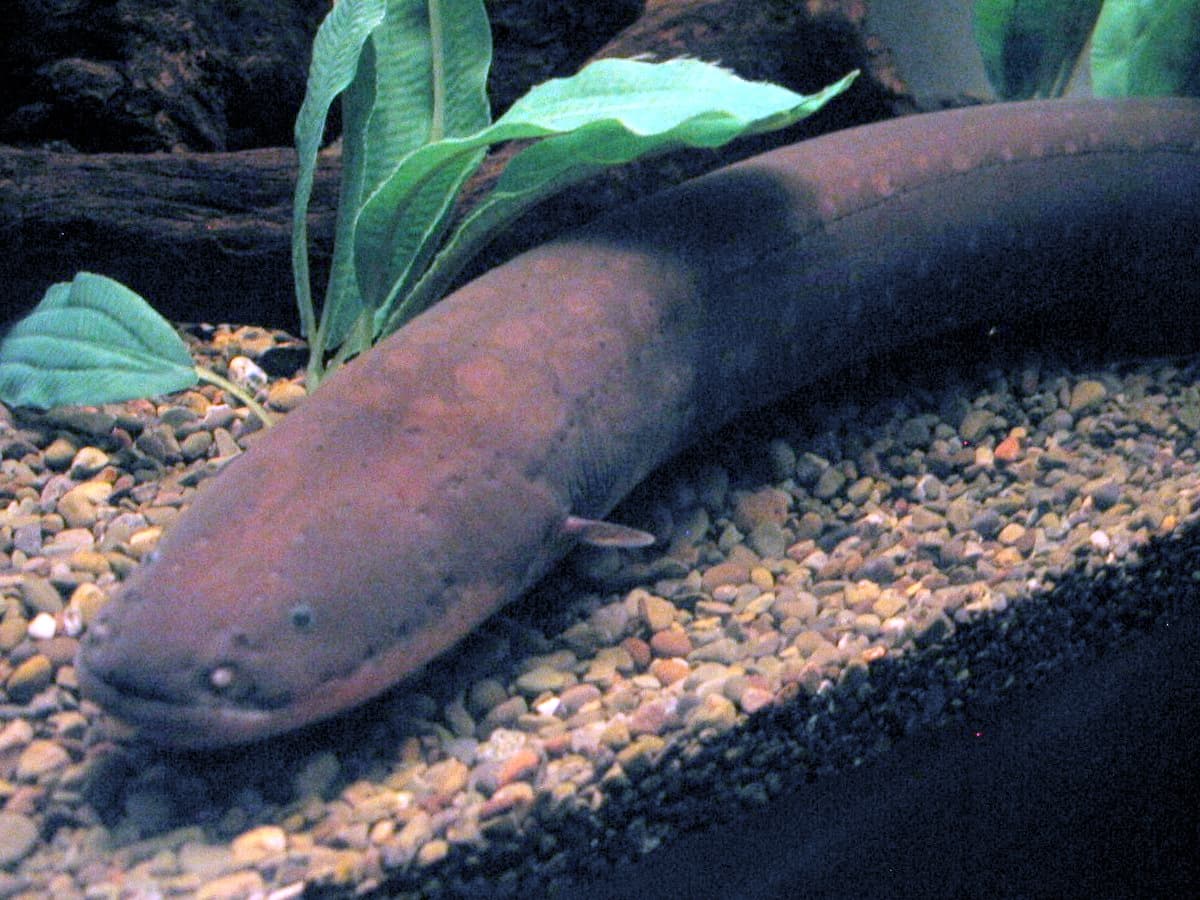 Least Concern
Electric Eel
Electrophorus electricus
The electric eel is not a true eel but a knifefish capable of producing powerful electric discharges. It uses electricity for navigation, communication, stunning prey, and defense in murky waters. Because it must breathe air, it regularly surfaces even while living in oxygen-poor swamps and floodplains.
Read facts →
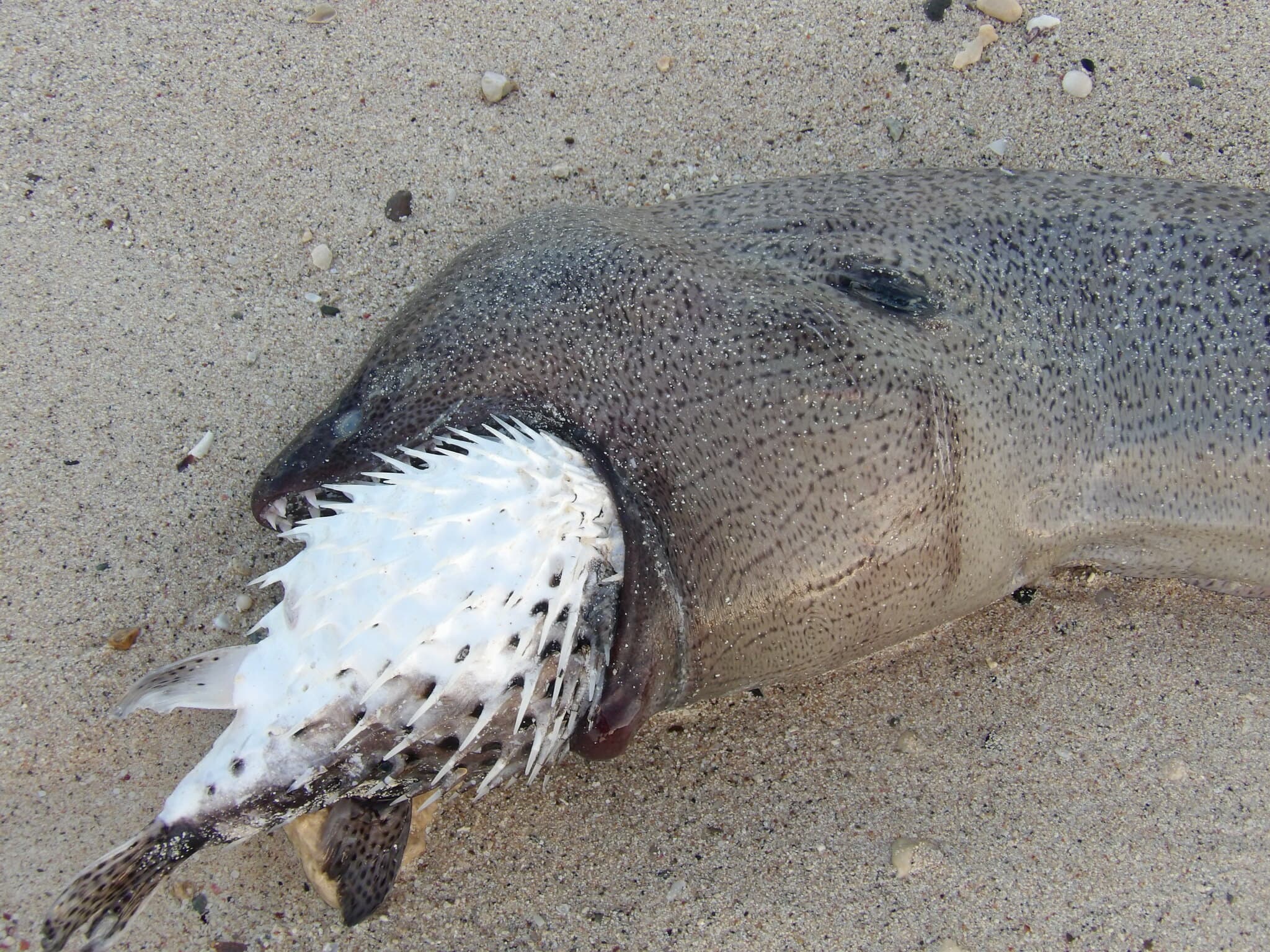 Least Concern
Giant Moray
Gymnothorax javanicus
Giant morays are large reef eels that hide in crevices by day and hunt mostly at night. A second set of pharyngeal jaws helps pull prey down the throat. They may cooperate with groupers during hunts, flushing prey from coral hiding places.
Read facts →
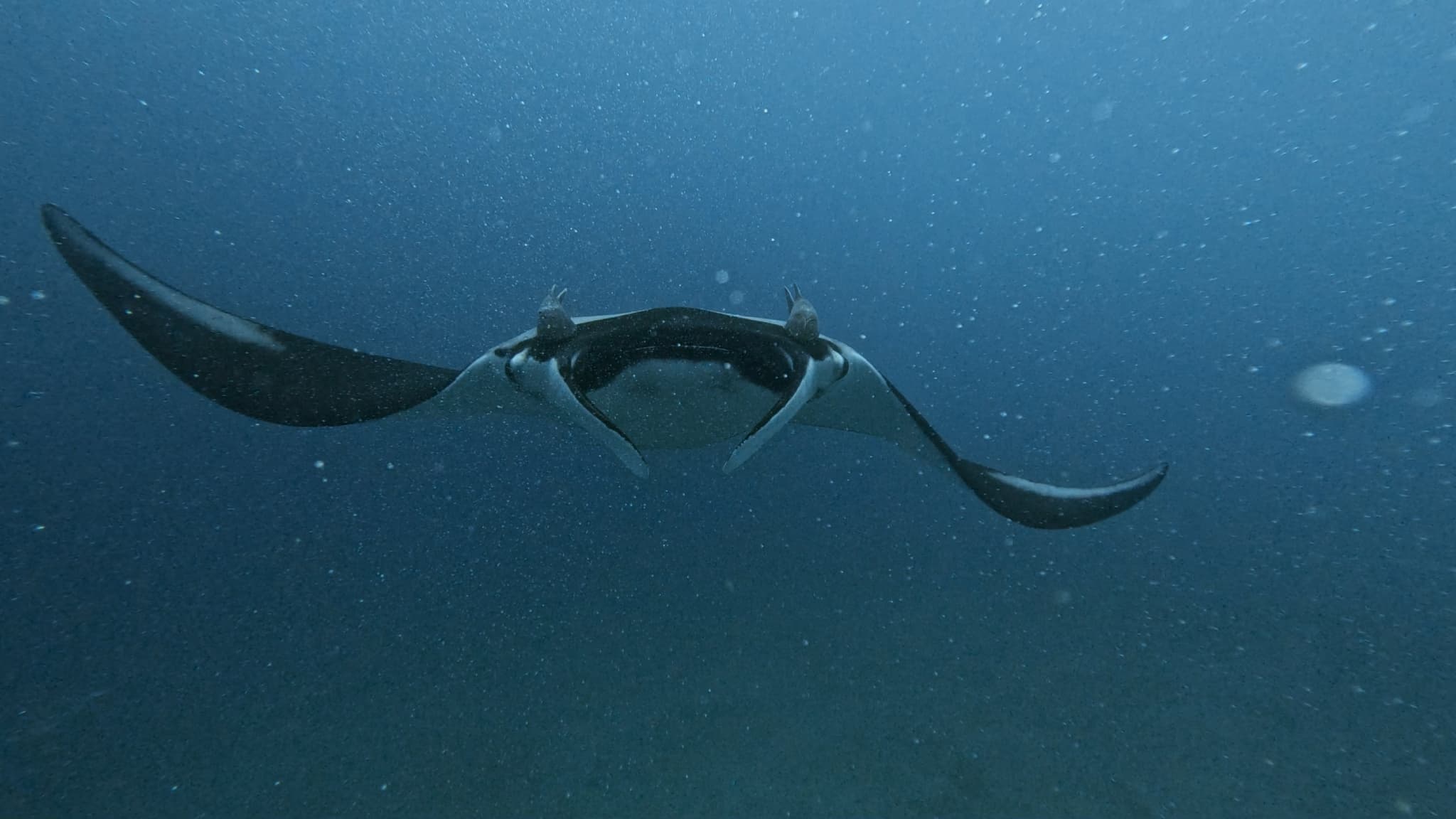 Endangered
Giant Oceanic Manta Ray
Mobula birostris
The giant oceanic manta ray is the largest ray on Earth, gliding through warm seas with winglike pectoral fins. It feeds by filtering plankton from the water and often visits reef cleaning stations where small fish remove parasites. Mantas are intelligent, social, and capable of long migrations, but they reproduce slowly and are threatened by bycatch and targeted fishing.
Read facts →
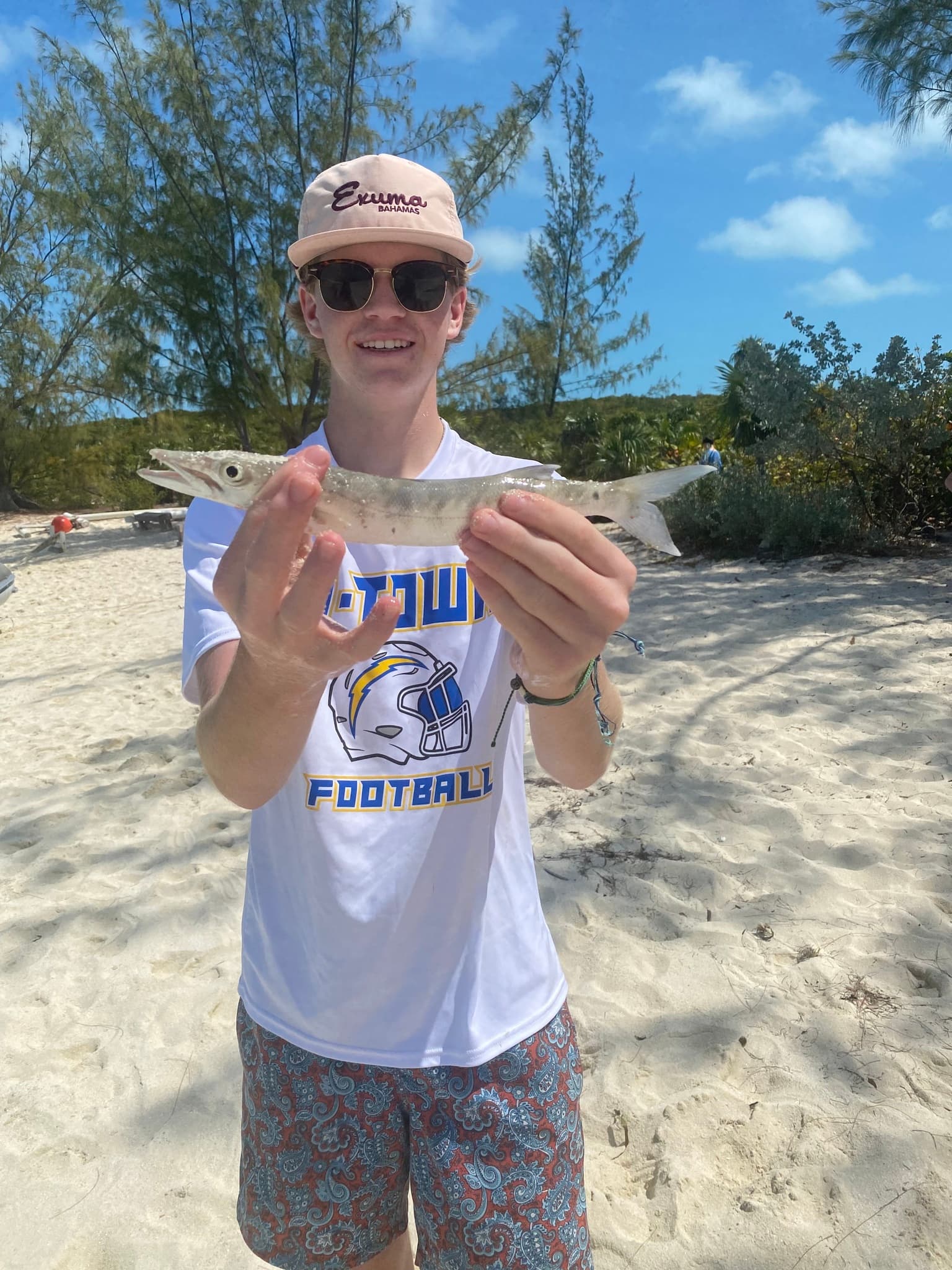 Least Concern
Great Barracuda
Sphyraena barracuda
Great barracudas are fast predatory fish with long bodies, sharp teeth, and sudden bursts of speed. Juveniles shelter in mangroves and seagrass while adults patrol reefs and channels. They are important mid-to-apex predators in warm coastal ecosystems.
Read facts →
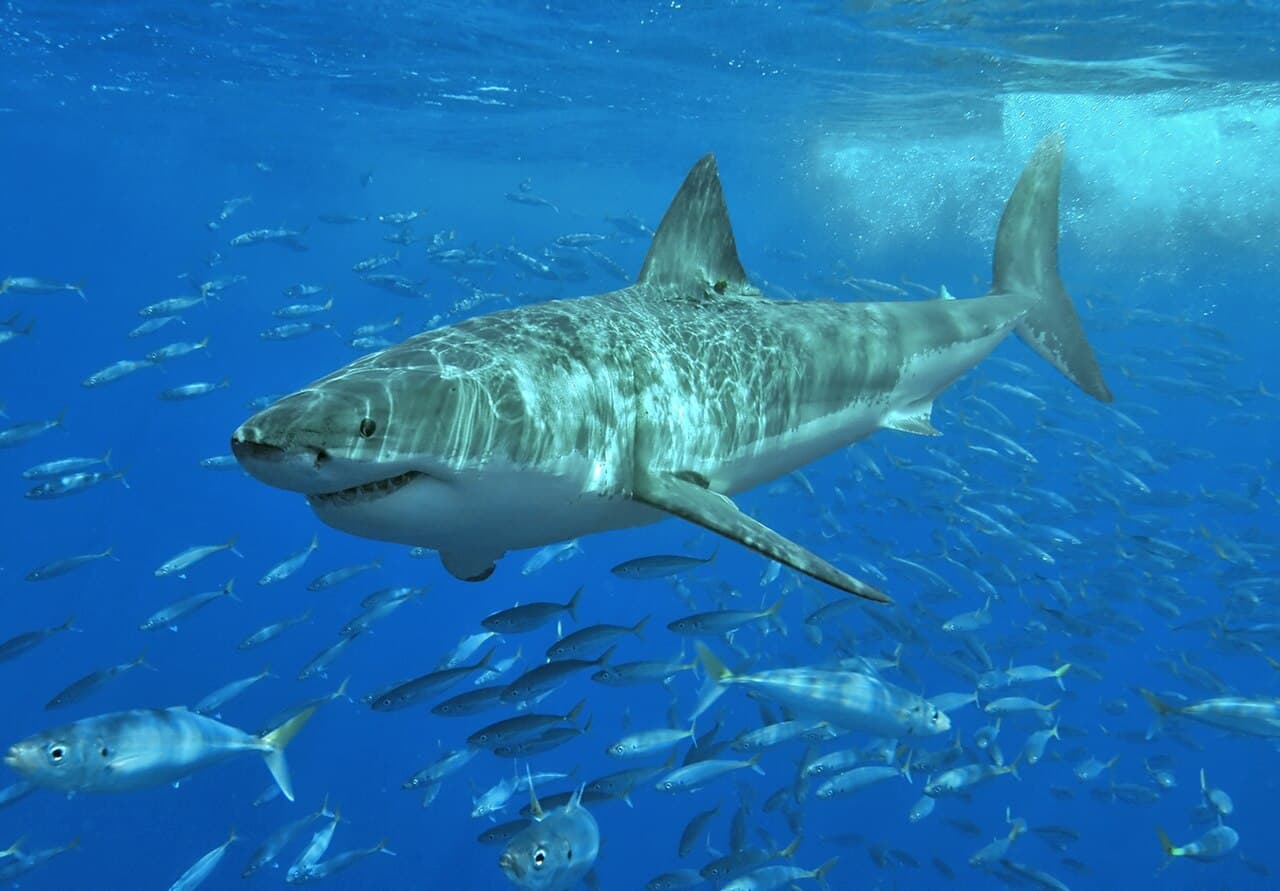 Vulnerable
Great White Shark
Carcharodon carcharias
The great white shark, also known as the white shark, white pointer, or great white, is a large shark. It is closely related to the mako sharks, the porbeagle, and the salmon shark. It is a robustly built species with a grayish upperside and a white underside. The white shark is one of the largest living shark and fish species, though it is still smaller than the whale shark and basking shark.
Read facts →
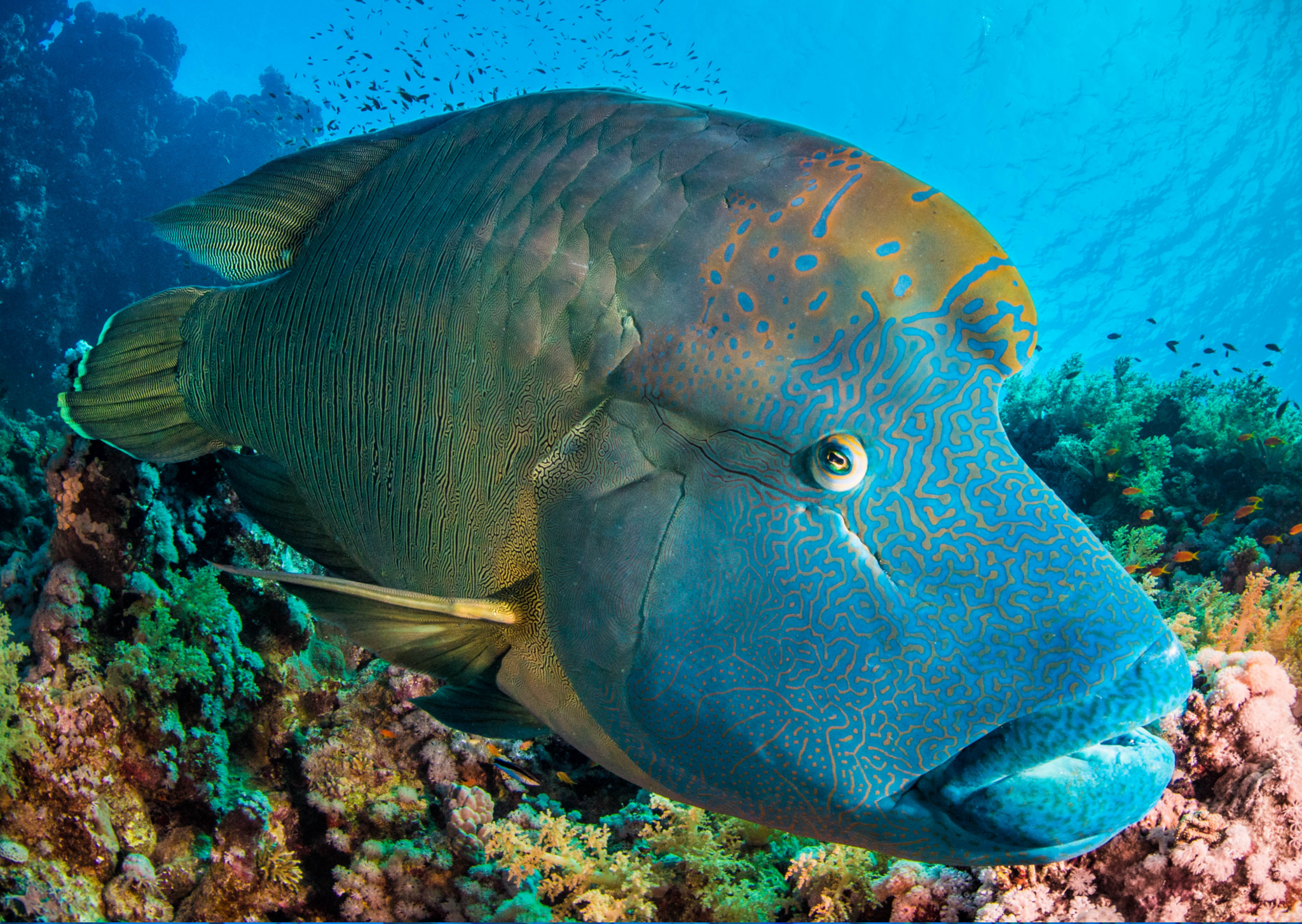 Endangered
Humphead Wrasse
Cheilinus undulatus
Humphead wrasses are among the largest reef fishes and can change sex during life. They use strong teeth to crush hard-shelled prey and may help control crown-of-thorns starfish. Slow growth, late maturity, and demand in the live reef fish trade have made them endangered.
Read facts →
 Near Threatened
Leafy Sea Dragon
Phycodurus eques
The leafy sea dragon is a relative of seahorses dressed in elaborate leaf-like appendages that make it almost invisible among kelp and seagrass. Unlike seahorses, it cannot curl its tail to grip, and it drifts with the currents, propelling itself with a nearly invisible fin. Males carry the eggs on a brood patch under the tail. Collection for curios and habitat degradation led to protection, and it is now the marine emblem of South Australia.
Read facts →
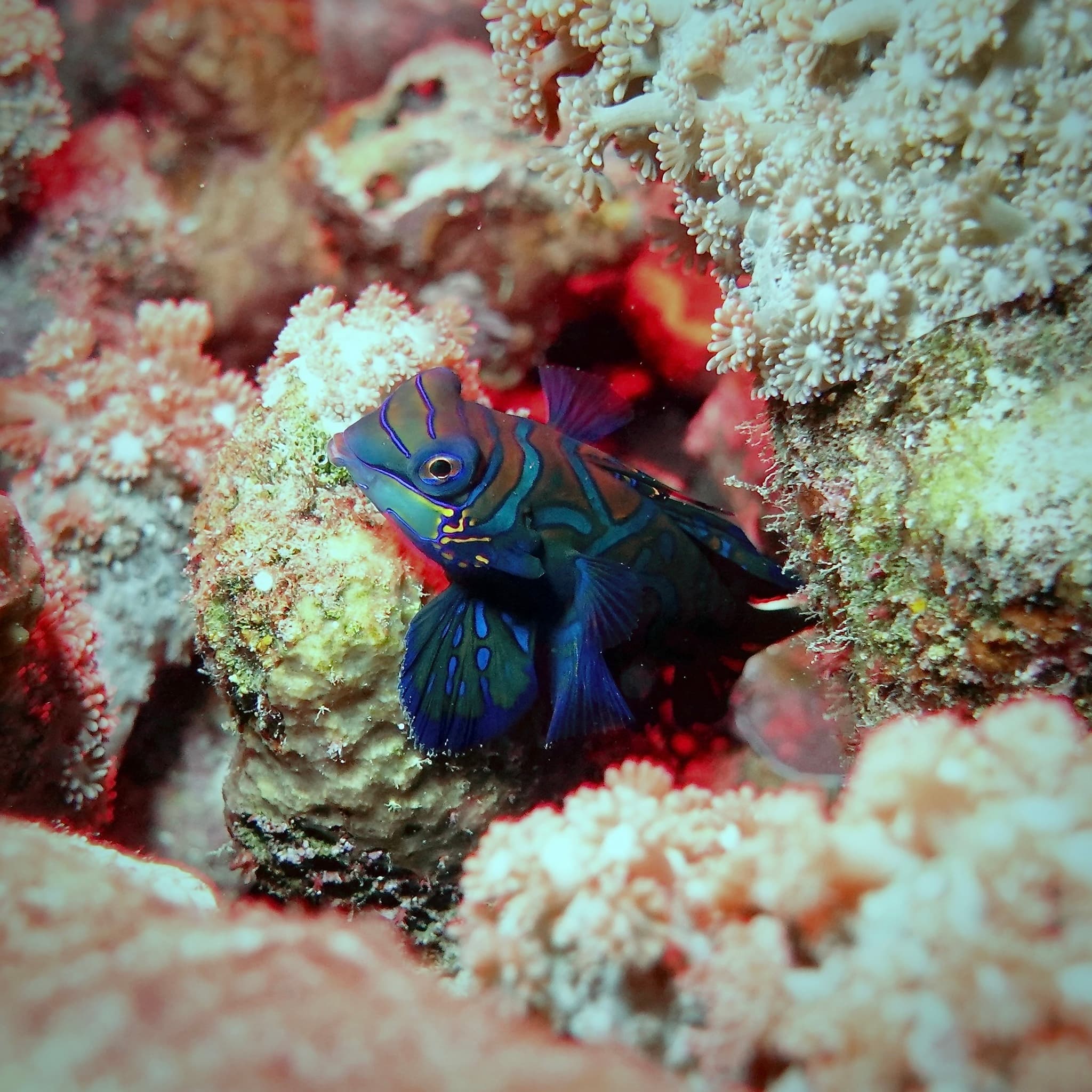 Least Concern
Mandarinfish
Synchiropus splendidus
Mandarinfish are small reef dragonets famous for electric blue, orange, and green patterns. They creep along rubble and coral searching for tiny crustaceans. Pairs rise into the water column at dusk to spawn, releasing eggs into the plankton.
Read facts →
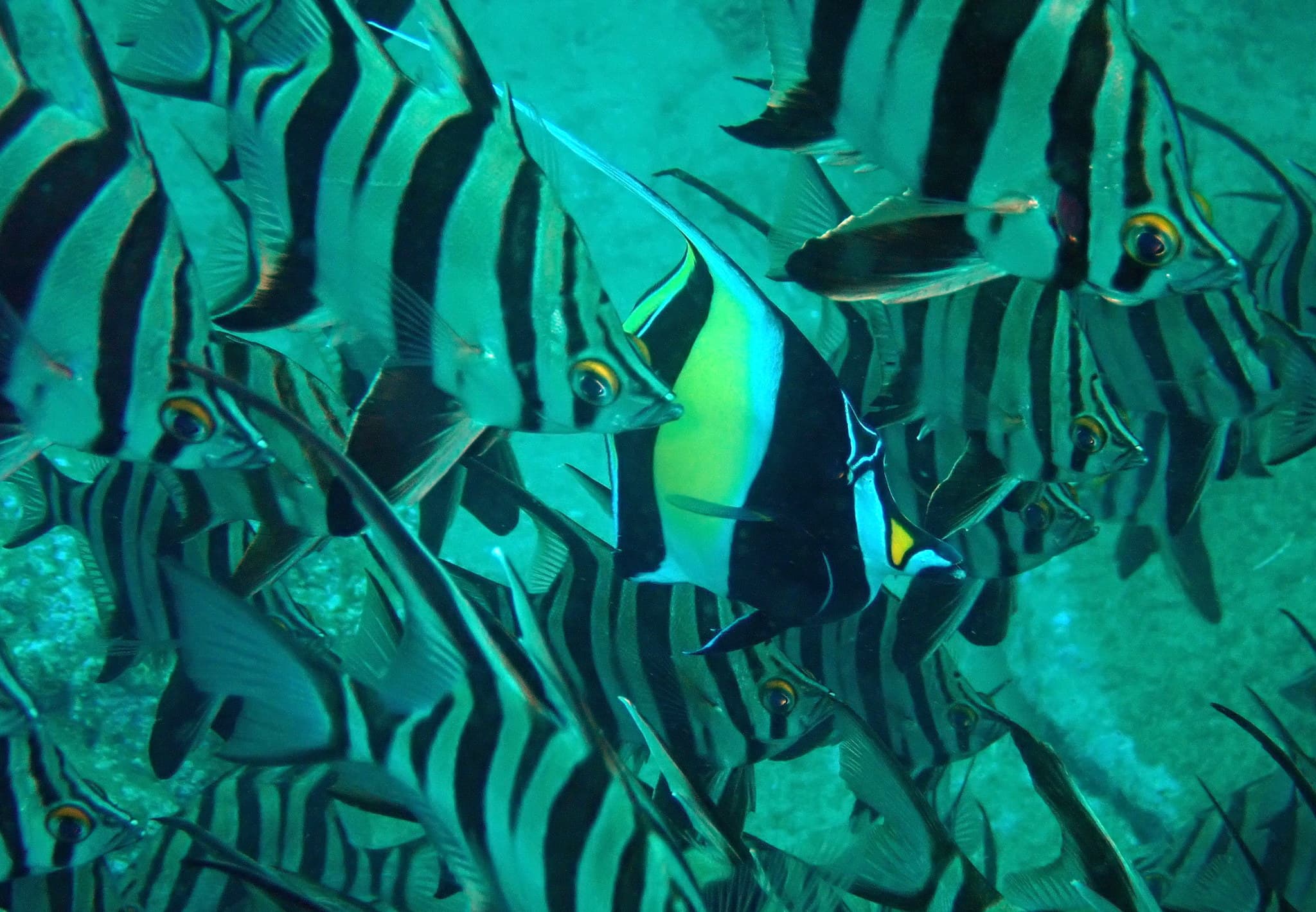 Least Concern
Moorish Idol
Zanclus cornutus
Moorish idols have disk-shaped bodies, black-white-yellow bands, and a long trailing dorsal filament. They graze sponges and other reef organisms in pairs or small groups. Their distinctive shape makes them one of the most recognizable reef fishes in the Indo-Pacific.
Read facts →
 Vulnerable
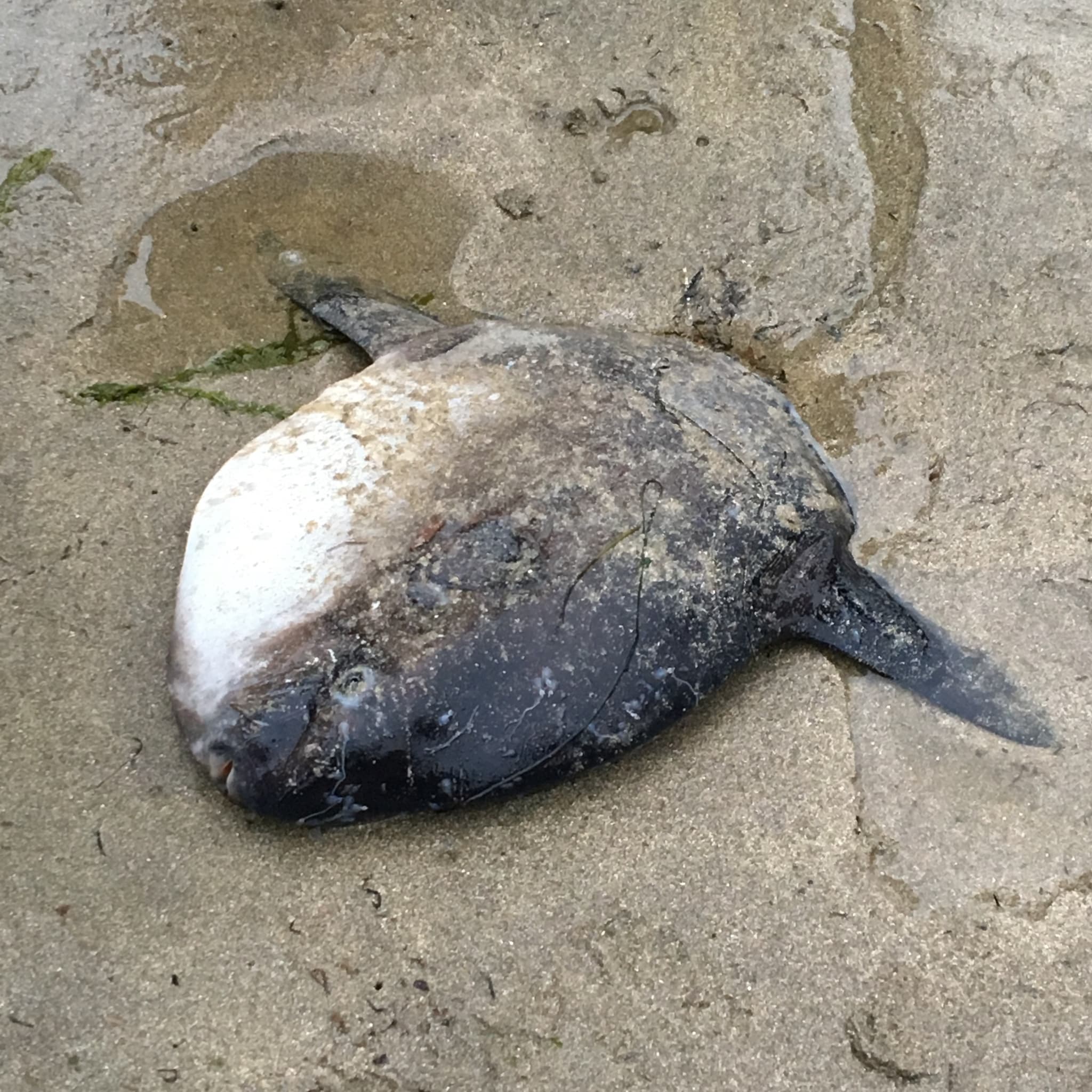
Ocean Sunfish
Mola mola
The ocean sunfish is the heaviest bony fish and has a strange disk-shaped body with tall dorsal and anal fins. It often basks near the surface, where seabirds and cleaner fish remove parasites. Sunfish produce enormous numbers of eggs, but they are vulnerable to bycatch and plastic pollution.
Read facts →
 Least Concern
Red Lionfish
Pterois volitans
The red lionfish is a venomous coral reef fish in the family Scorpaenidae, order Scorpaeniformes.
Read facts →
 Least Concern
Red-Bellied Piranha
Pygocentrus nattereri
Red-bellied piranhas are schooling fish of South American rivers, famous for their sharp teeth and feeding frenzies — myths that exaggerate their danger to people. They actually scavenge and hunt mostly small fish, and schools provide defence against predators such as caimans, river dolphins, and cormorants. During the flooded season they spawn among vegetation, and their jaws deliver a bite with considerable force for their size.
Read facts →
 Critically Endangered
Scalloped Hammerhead Shark
Sphyrna lewini
The scalloped hammerhead is a species of hammerhead shark in the family Sphyrnidae. It was originally known as Zygaena lewini. The Greek word sphyrna translates into "hammer" in English, referring to the shape of this shark's head, which is its most distinguishing characteristic.
Read facts →
 Least Concern
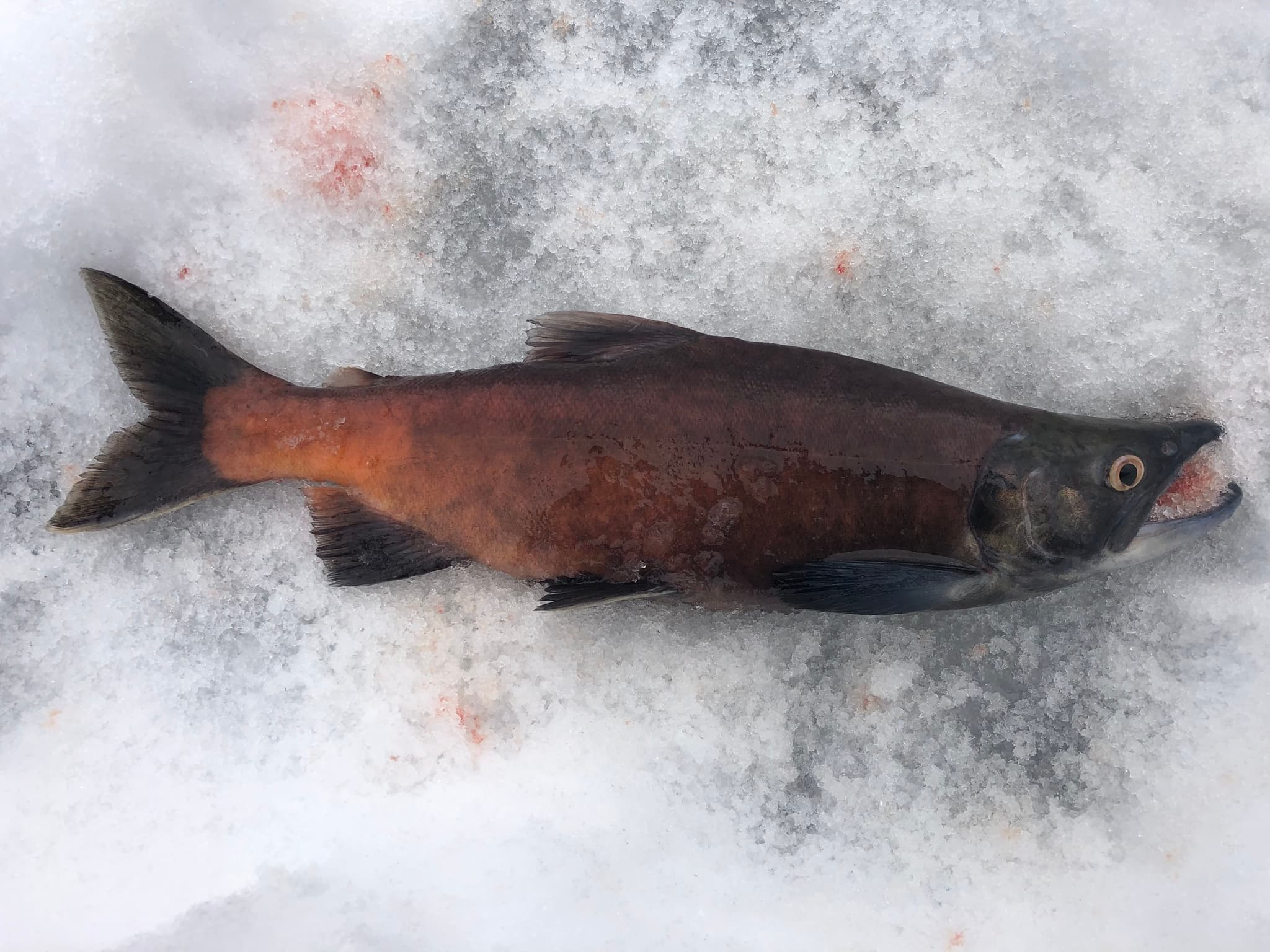
Sockeye Salmon
Oncorhynchus nerka
Sockeye salmon hatch in freshwater, grow in lakes or rivers, migrate to the ocean, and return inland to spawn. Spawning adults turn bright red with green heads, delivering marine nutrients to bears, eagles, forests, and streams. Dams, warming water, habitat loss, and overharvest can affect individual runs.
Read facts →
 Endangered
Whale Shark
Rhincodon typus
The whale shark is a slow-moving, filter-feeding carpet shark and the largest known extant fish species. An individual with a length of 18. 8 m (61. 7 ft) has been considered the largest reliably recorded.
Read facts →