Browse Animals by Category
Invertebrate Species
Explore this list of invertebrate species with photos and facts from the Animal World catalog, including scientific names, habitats, ranges, and conservation status for each animal.
This category hub links to 11 existing invertebrates profiles, so you can jump from a photo thumbnail to deeper facts without adding any new species to the database.
Invertebrates in Animal World
 Not Evaluated
Blue Morpho Butterfly
Morpho peleides
The blue morpho's wings are not pigmented blue — microscopic ridges reflect light so the wings flash brilliant blue in flight and darken to brown with a row of eyespots when folded, hiding the resting butterfly. Caterpillars are red-brown with false eyes and defensive bristles. Adults sip rotting fruit and sap and are a favourite sight at rainforest lodges; habitat loss is their main threat.
Read facts →
 Not Evaluated
Chambered Nautilus
Nautilus pompilius
The chambered nautilus is a living relative of ammonites, a cephalopod in a coiled shell divided into gas-filled chambers it adjusts for buoyancy. It moves by jet propulsion and hunts shrimp and crabs by smell, with a pinhole eye that is a remarkable primitive design. Overfishing for shells and ocean acidification that thins shells are its main threats, and trade is now regulated under CITES Appendix II.
Read facts →
 Vulnerable
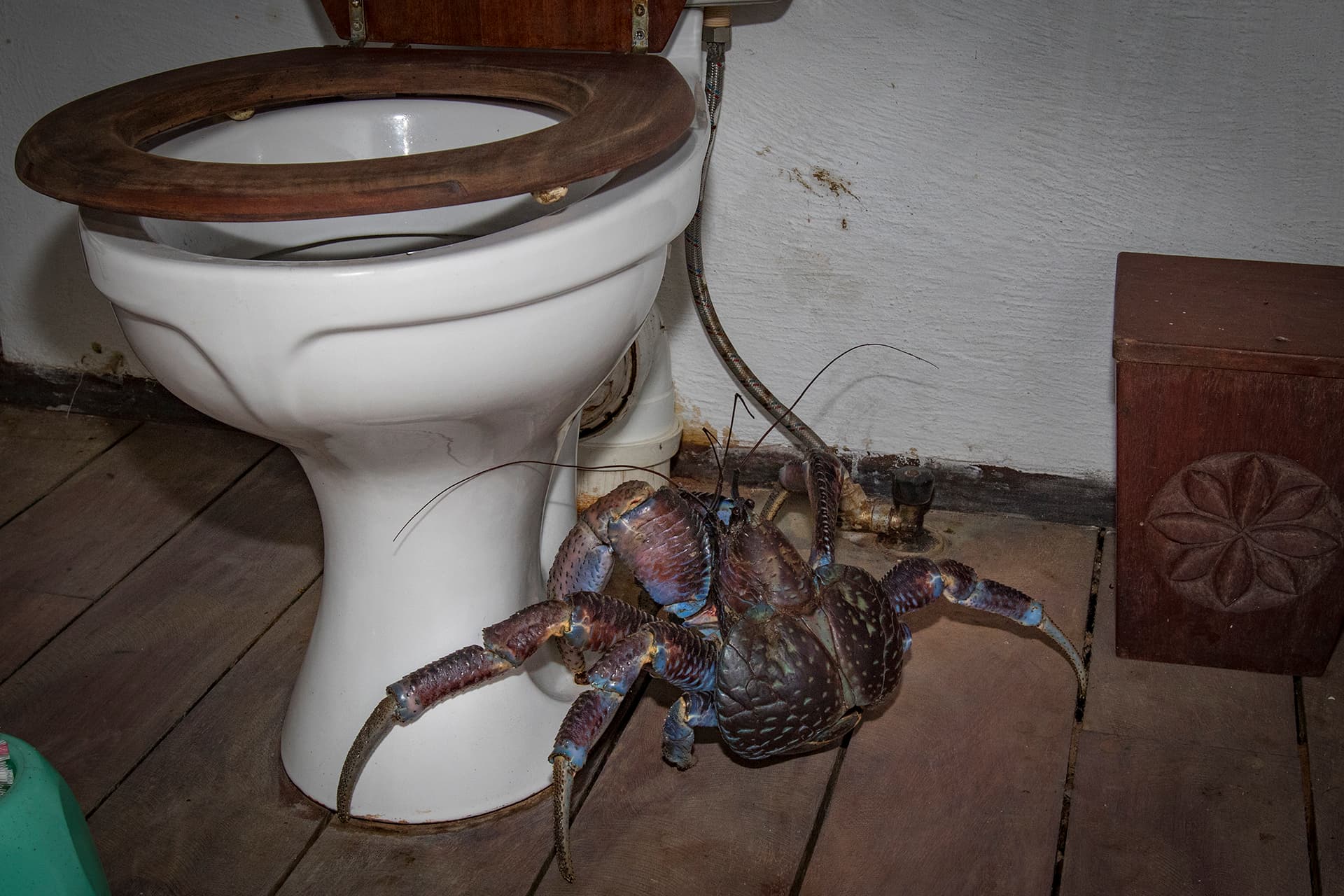
Coconut Crab
Birgus latro
Coconut crabs are the largest terrestrial arthropods and spend adult life mostly on land. They use powerful claws to crack fruit, climb trees, and defend burrows, but their larvae still develop in the sea. Overharvest and habitat loss have reduced populations on many inhabited islands.
Read facts →
 Vulnerable
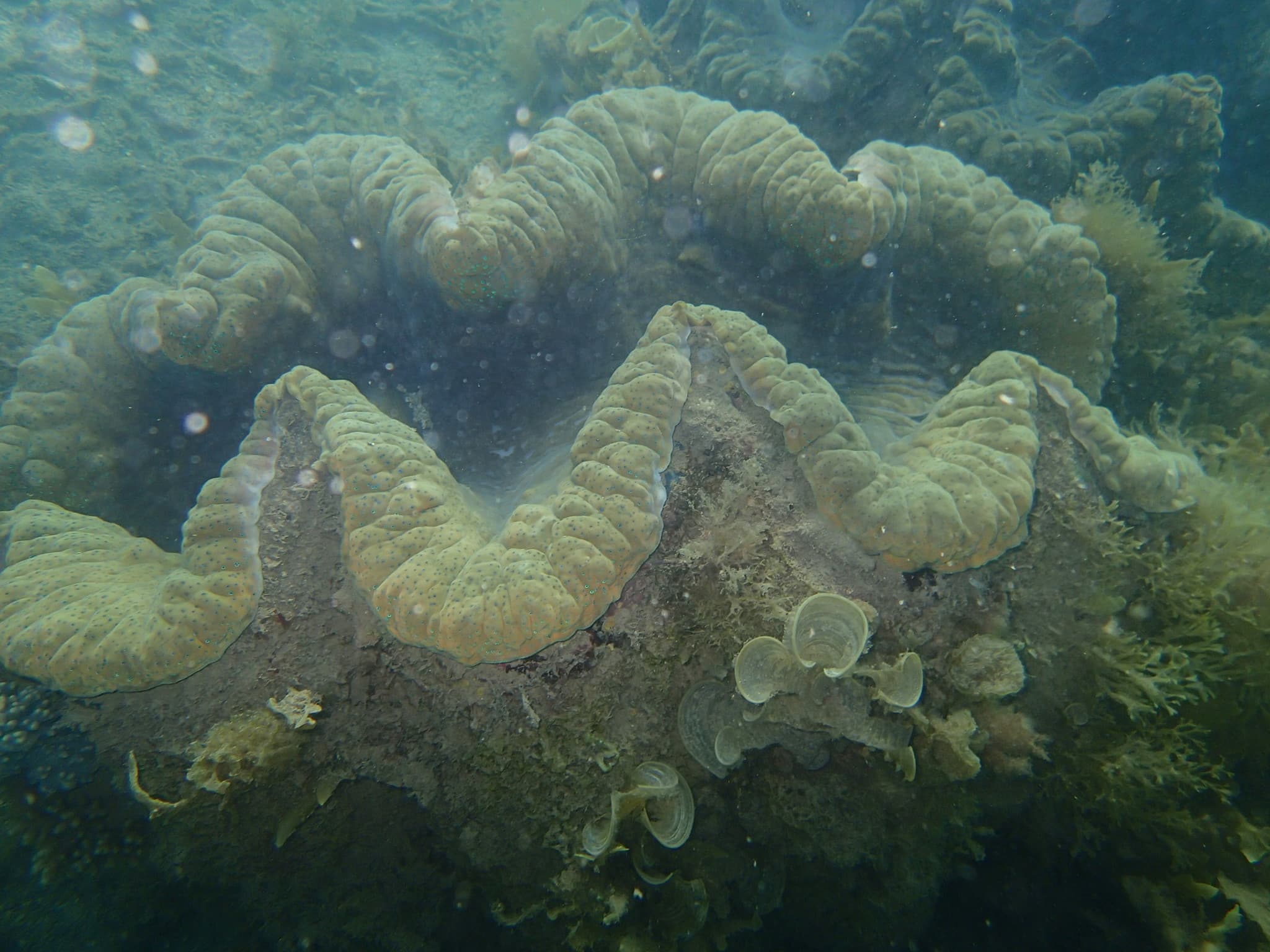
Giant Clam
Tridacna gigas
The giant clam is the largest living bivalve mollusk and can live embedded in warm shallow reefs for decades. Symbiotic algae in its colorful mantle provide much of its energy through photosynthesis, while the clam also filters plankton. Overharvesting for meat and shells has reduced many populations across the Indo-Pacific.
Read facts →
 Least Concern
Giant Pacific Octopus
Enteroctopus dofleini
The giant Pacific octopus, also known as the North Pacific giant octopus, is a large marine cephalopod belonging to the genus Enteroctopus and Enteroctopodidae family.
Read facts →
 Least Concern
Giant Squid
Architeuthis dux
The giant squid is a species of deep-ocean dwelling squid in the family Architeuthidae. It can grow to a tremendous size, offering an example of abyssal gigantism; recent estimates put the maximum body size at around 5 m (16 ft) for females, with males slightly shorter, from the posterior fins to the tip of its long arms. This makes it longer than the colossal squid at an estimated 4.
Read facts →
 Not Evaluated
Goliath Birdeater
Theraphosa blondi
The goliath birdeater is the world's heaviest spider, a tarantula that mostly eats earthworms and insects despite its name; it only rarely takes small vertebrates. It flicks urticating hairs from its abdomen when threatened and makes a hissing sound by rubbing its legs. Females can live decades, while males live only months after maturity, and locals in its range historically roasted them as food.
Read facts →
 Not Evaluated
Japanese Spider Crab
Macrocheira kaempferi
The Japanese spider crab has the greatest leg span of any arthropod, up to 3.7 m from claw to claw, carried on a small body. It lives on soft bottoms off Japan, decorating its shell with sponges and algae for camouflage, and scavenges dead animals on the seafloor. Fishermen take it for food, and populations are thought to have declined; regulations now protect the breeding season.
Read facts →
 Endangered
Monarch Butterfly
Danaus plexippus
The monarch butterfly or simply monarch is a milkweed butterfly in the family Nymphalidae. Other common names, depending on region, include milkweed, common tiger, wanderer, and black-veined brown. It is among the most familiar of North American butterflies and an iconic pollinator, although it is not an especially effective pollinator of milkweeds. Its wings feature an easily recognizable black, orange, and white pattern, with a wingspan of 8. 9–10.
Read facts →
 Least Concern
Peacock Mantis Shrimp
Odontodactylus scyllarus
Odontodactylus scyllarus, commonly known as the peacock mantis shrimp, harlequin mantis shrimp, painted mantis shrimp, clown mantis shrimp, rainbow mantis shrimp, peacock odontodactyl, thumb splitter, or simply mantis shrimp, is a large odontodactylid stomatopod native to the epipelagic seabed across the Indo-Pacific, ranging from the Marianas to East Africa, and as far South as Northern KwaZulu Natal in South Africa. It is one of roughly 480 species of mantis shrimp, which are well known for their raptorial claws, exceptional vision, and their unique way of interacting with other marine species.
Read facts →
 Data Deficient
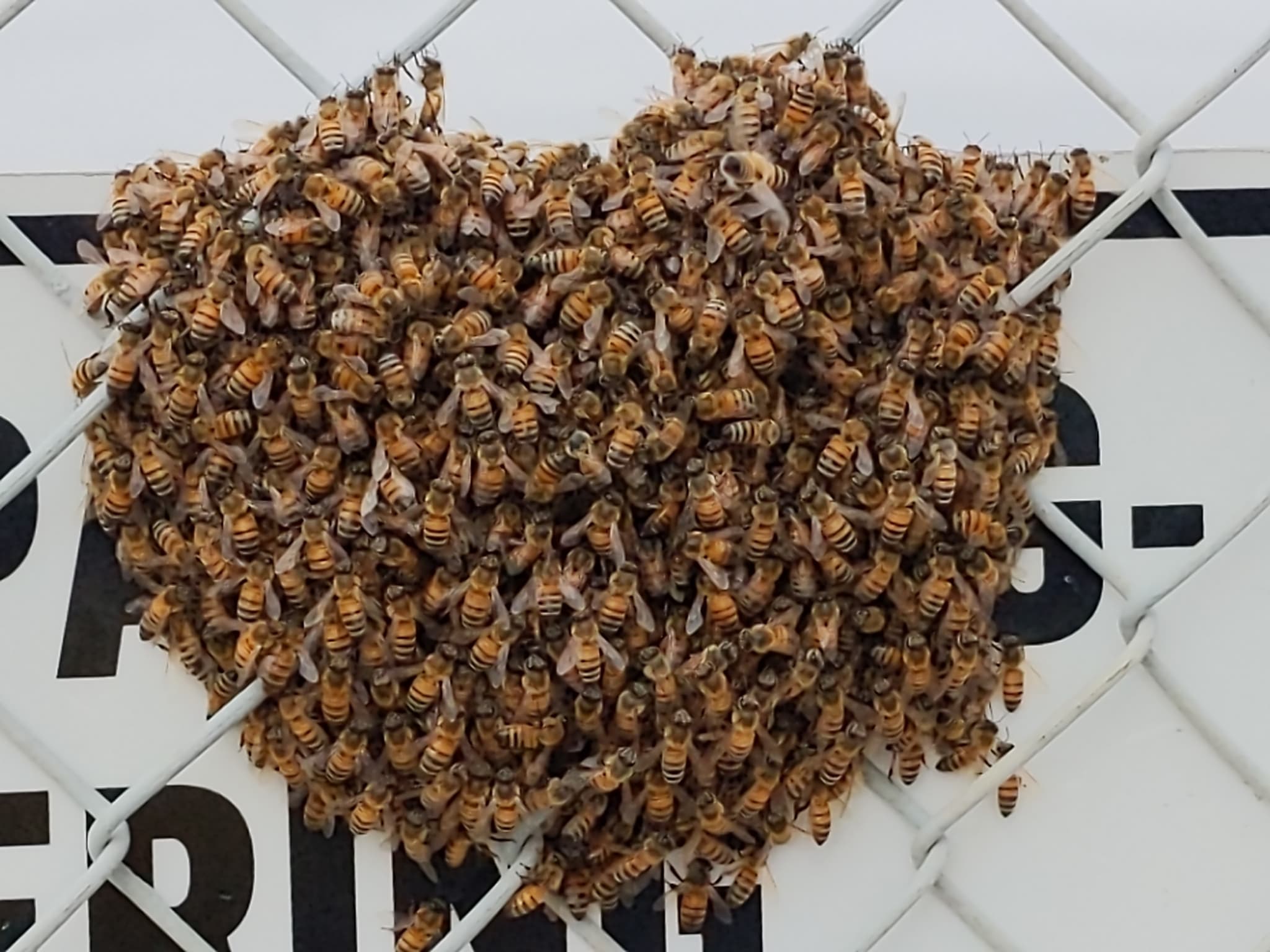
Western Honey Bee
Apis mellifera
The western honey bee is a highly social insect living in colonies with a queen, workers, and drones. Workers collect nectar and pollen, communicate food locations with waggle dances, and build wax combs. It is an important pollinator and managed species, but wild and managed colonies face pressures from parasites, disease, pesticides, and forage loss.
Read facts →