Browse Animals by Category
Bird Species
Explore this list of bird species with photos and facts from the Animal World catalog, including scientific names, habitats, ranges, and conservation status for each animal.
This category hub links to 41 existing birds profiles, so you can jump from a photo thumbnail to deeper facts without adding any new species to the database.
Birds in Animal World
 Endangered
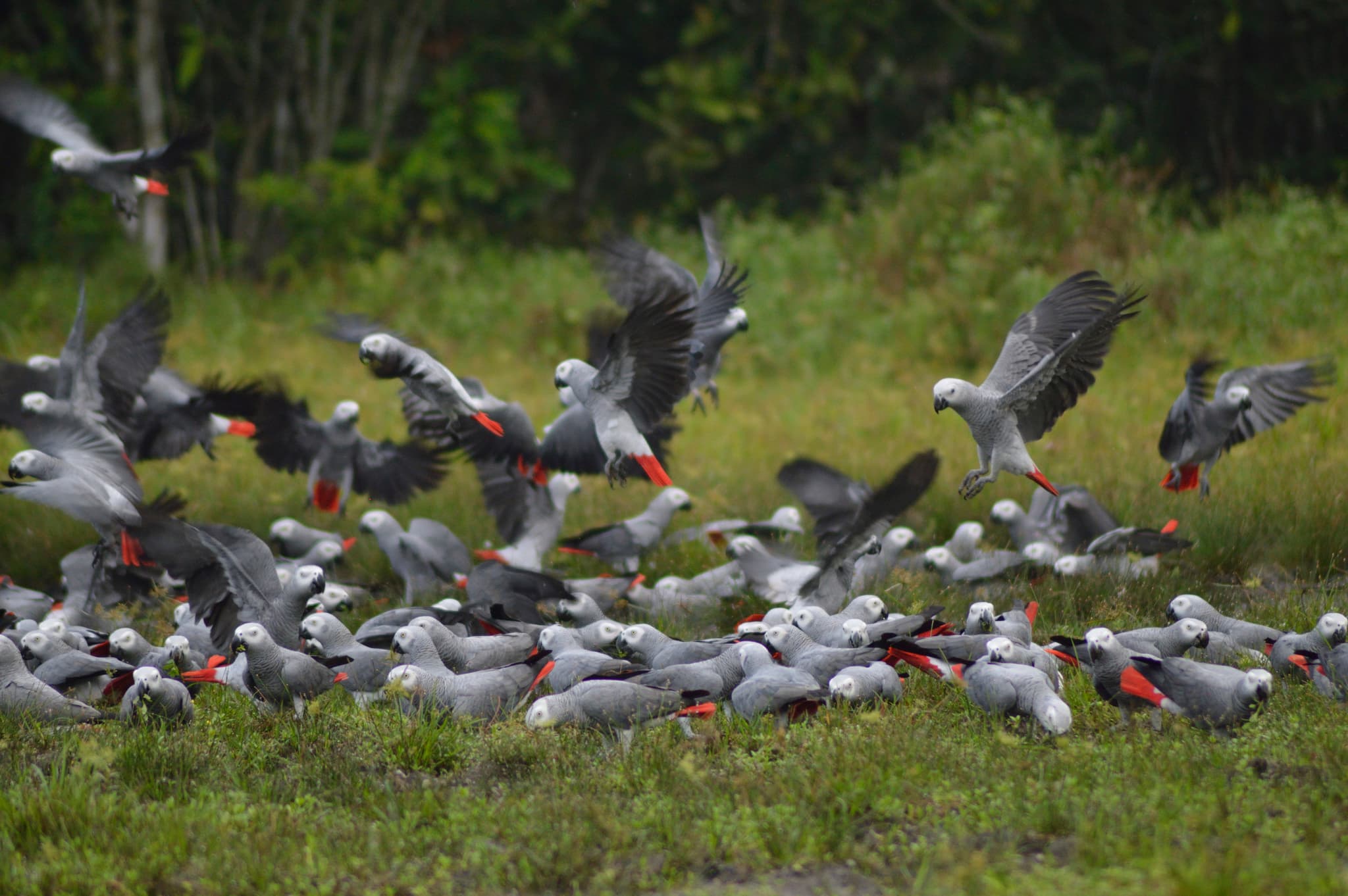
African Grey Parrot
Psittacus erithacus
African grey parrots are highly social birds known for complex vocal learning and problem solving. Flocks feed in forest canopies and gather at mineral-rich sites. Heavy trapping for the pet trade and forest loss have driven major declines across much of their range.
Read facts →
 Vulnerable
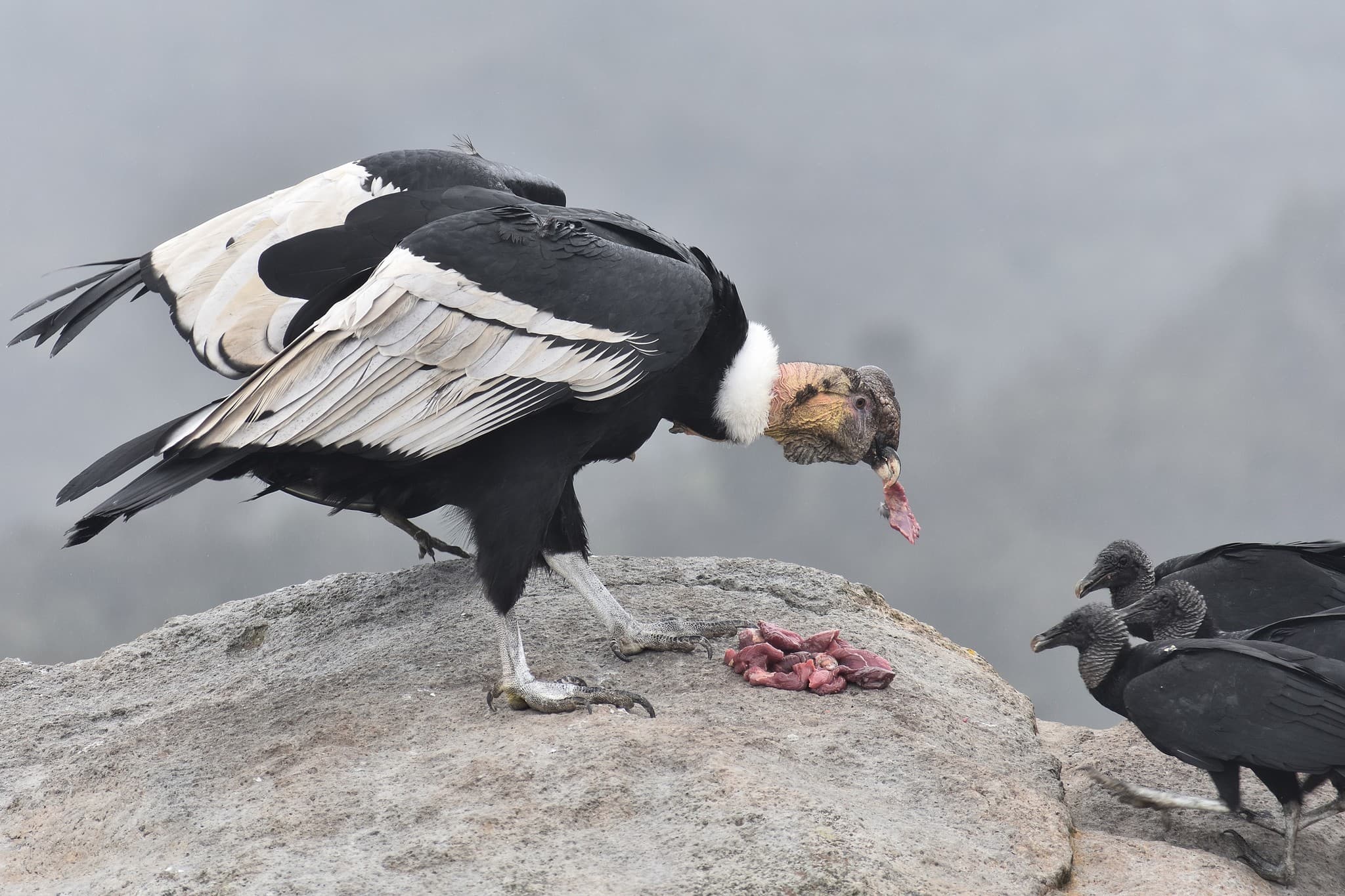
Andean Condor
Vultur gryphus
Andean condors use enormous wings to ride mountain winds for hours while searching for carrion. They mature slowly and produce few young, so adult survival is crucial. Poisoning, persecution, collisions, and food contamination threaten this culturally important scavenger across parts of its range.
Read facts →
 Least Concern
Arctic Tern
Sterna paradisaea
The Arctic tern is a tern in the family Laridae. This bird has a circumpolar breeding distribution covering the Arctic and subarctic regions of Europe, Asia, and North America. The species is strongly migratory, seeing two summers each year as it migrates along a convoluted route from its northern breeding grounds to the Antarctic coast for the southern summer and back again about six months later.
Read facts →
 Vulnerable
Atlantic Puffin
Fratercula arctica
The Atlantic puffin, also known as the common puffin, is a species of seabird in the auk family. It is the only puffin native to the Atlantic Ocean; two related species, the tufted puffin and the horned puffin, are found in the northeastern Pacific. The Atlantic puffin breeds in Russia, Iceland, Ireland, Britain, Norway, Greenland, Newfoundland and Labrador, Nova Scotia, and the Faroe Islands, and as far south as Maine in the west and France in the east. It is most commonly found in the Westman Islands, Iceland.
Read facts →
 Least Concern
Australian Pelican
Pelecanus conspicillatus
The Australian pelican has the longest bill of any living bird — up to 50 cm — with a stretchy pouch that holds far more than its stomach. It scoops fish while swimming and will fly thousands of kilometres to reach inland lakes that bloom after outback rains, breeding in noisy colonies on temporary islands. When the water dries up the birds scatter back to the coasts.
Read facts →
 Least Concern
Bald Eagle
Haliaeetus leucocephalus
The bald eagle is a bird of prey found in North America. A sea eagle, it has two known subspecies and forms a species pair with the white-tailed eagle, which occupies the same niche as the bald eagle in the Palearctic.
Read facts →
 Least Concern
Barn Owl
Tyto alba
Barn owls hunt mostly by sound, using asymmetrical ears and a heart-shaped facial disc to pinpoint prey in darkness. Soft feather edges make their flight exceptionally quiet. They often nest in tree cavities, cliffs, barns, and nest boxes, providing natural rodent control in farmland ecosystems.
Read facts →
 Least Concern
Blue Jay
Cyanocitta cristata
Blue jays are bold, intelligent songbirds with a striking crest they raise when excited, and a wide repertoire including a hawk mimic used to scatter other birds from feeders. They cache thousands of acorns each fall, some forgotten and later sprouting into oaks, making them accidental forest planters. Highly social, they form tight family groups and mob predators together, and they have adapted well to suburbs.
Read facts →
 Least Concern
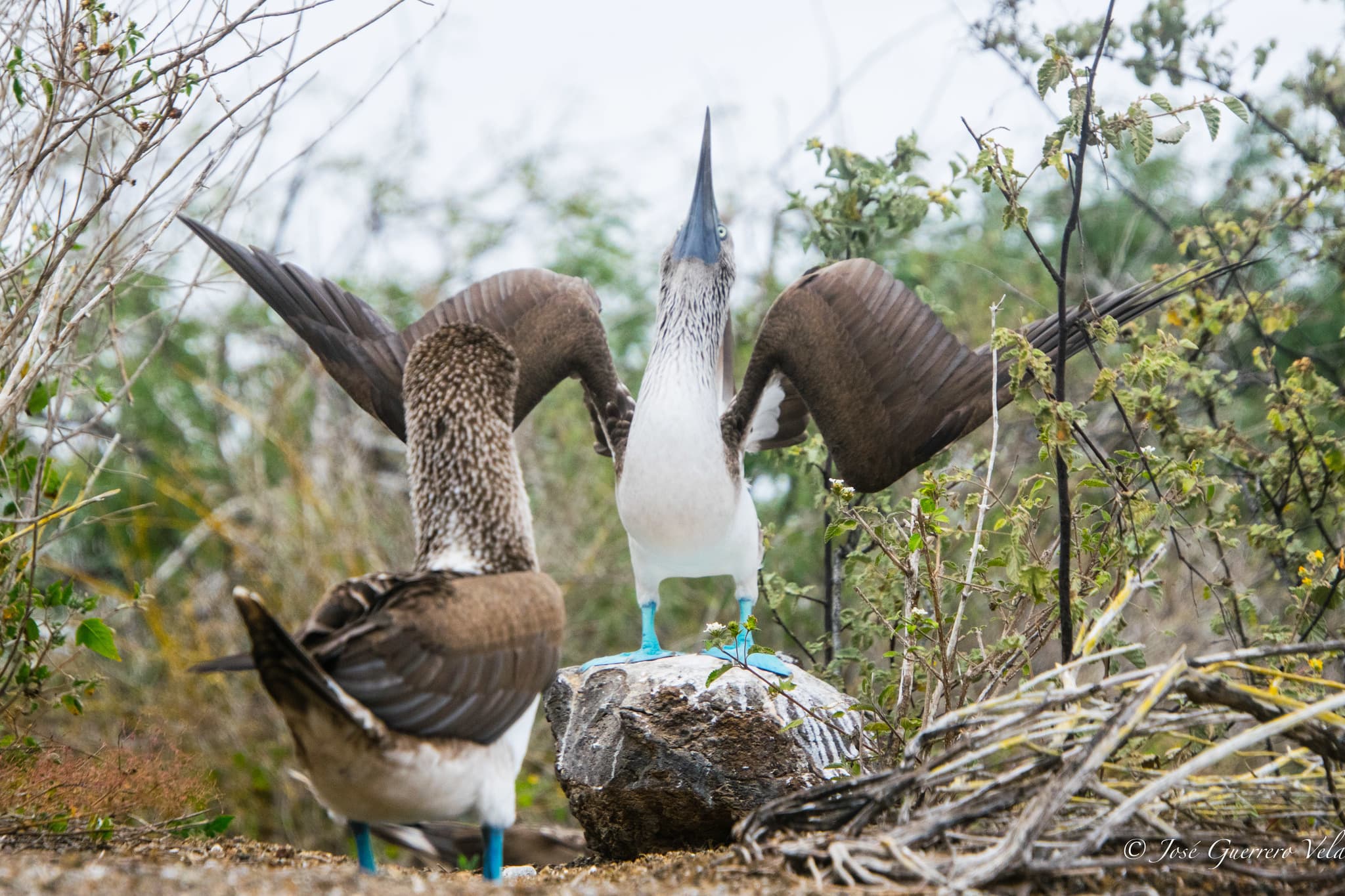
Blue-Footed Booby
Sula nebouxii
Blue-footed boobies plunge from the air into the ocean to catch schooling fish. Males display their vivid feet during courtship, and foot color can signal condition. Colonies nest on islands and coastal rocks where food availability is tied to ocean productivity.
Read facts →
 Critically Endangered
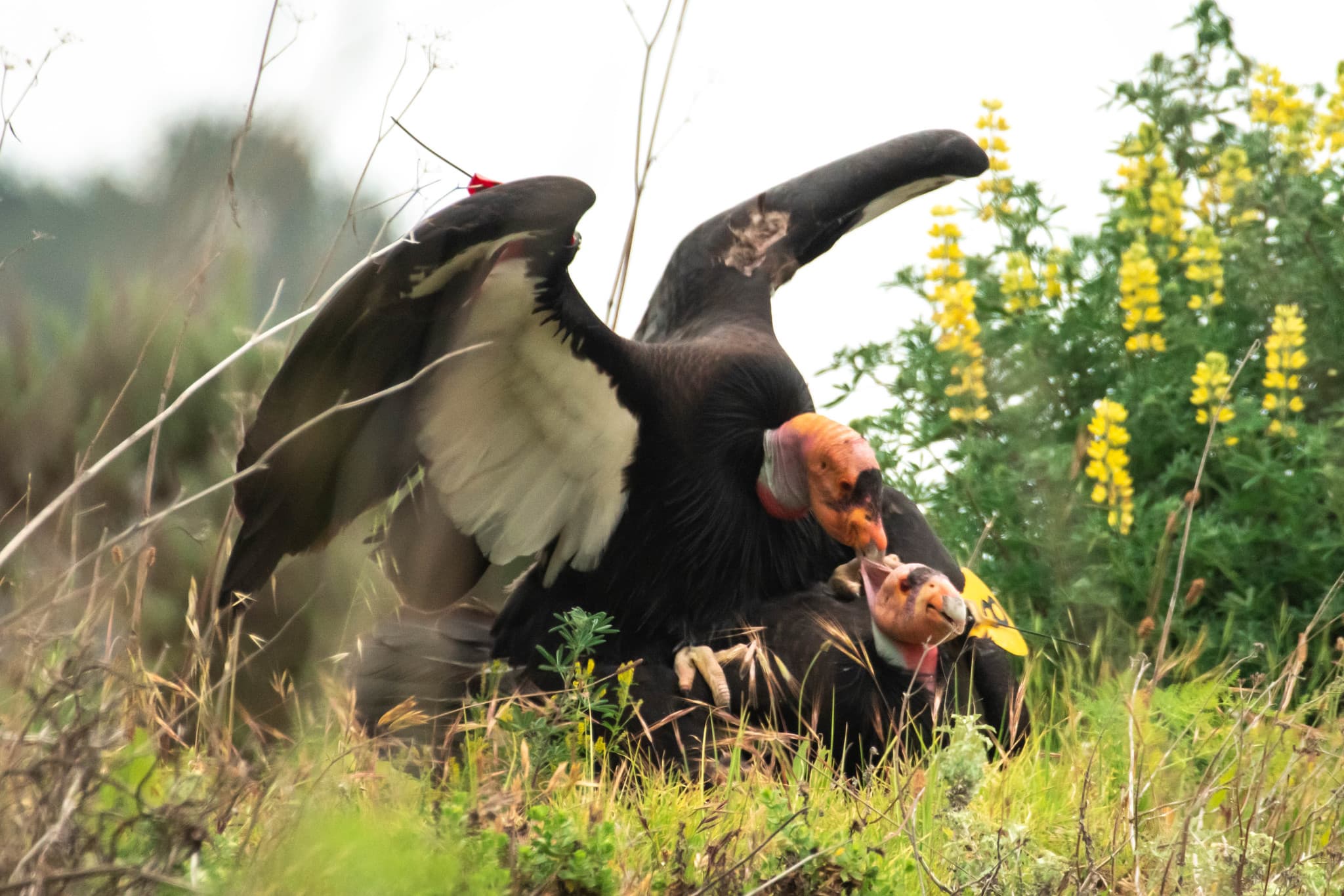
California Condor
Gymnogyps californianus
California condors were reduced to a handful of birds before all remaining individuals were brought into a captive-breeding program in the 1980s. Reintroduced condors now soar over western canyons and coastal ranges. Lead poisoning from ammunition fragments remains the leading management challenge.
Read facts →
 Least Concern
Common Kingfisher
Alcedo atthis
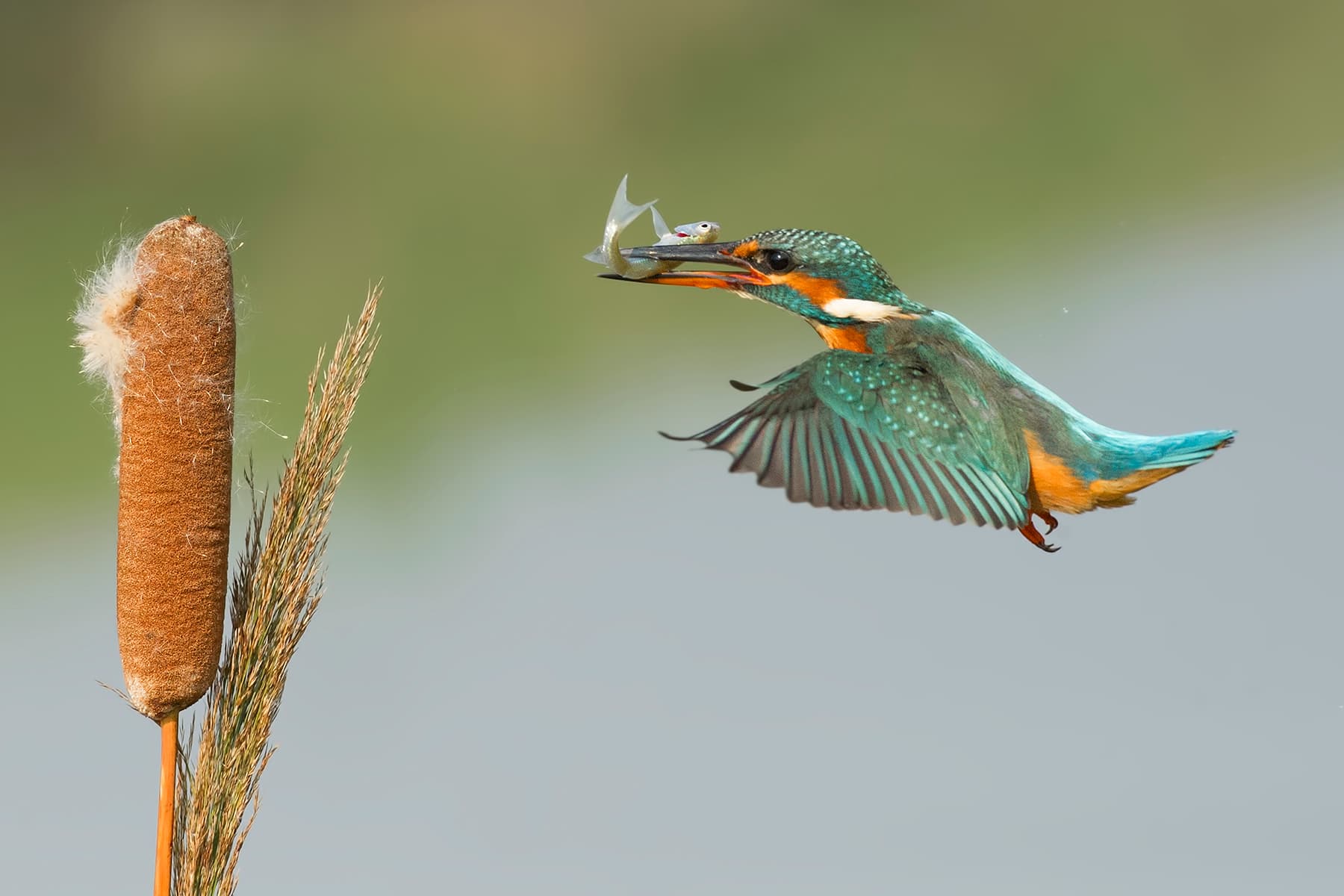
Common kingfishers perch over water and plunge-dive to catch small fish with dagger-like bills. Their brilliant blue and orange plumage flashes above streams and wetlands. They excavate nesting tunnels in sandy banks, making stable clean waterways and natural river edges important for breeding.
Read facts →
 Least Concern
Common Ostrich
Struthio camelus
The common ostrich, or simply ostrich, is a species of flightless bird native to certain areas of Africa and is the largest living species of bird. The common ostrich is one of two extant species of ostriches, the only living members of the genus Struthio in the ratite group of birds.
Read facts →
 Least Concern
Common Raven
Corvus corax
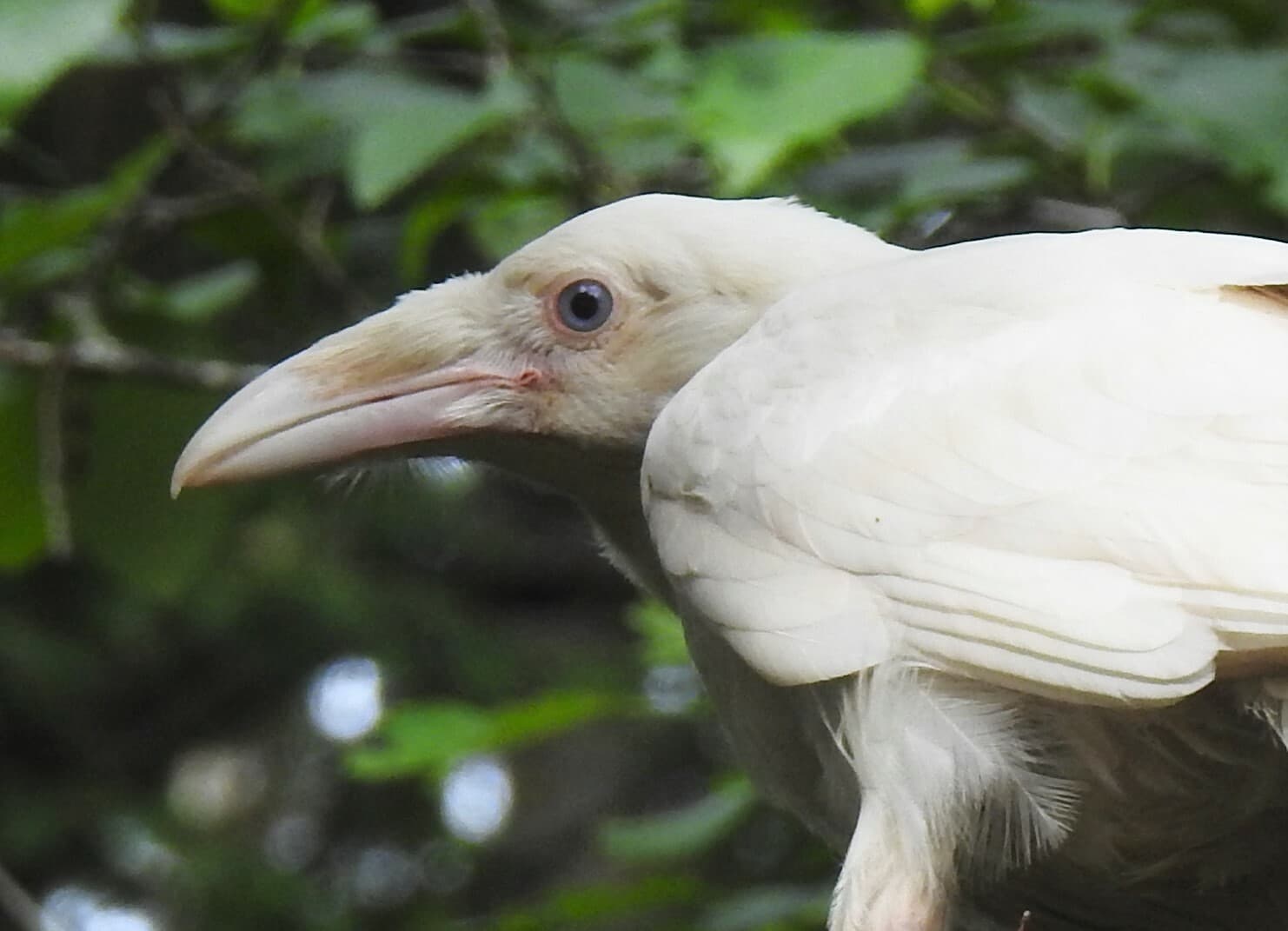
Common ravens are among the most intelligent birds, solving problems, caching food, and recognizing individual animals. Pairs often stay together for years and nest on cliffs, trees, buildings, and power structures. Their flexibility has allowed them to live from Arctic tundra to desert and city edges.
Read facts →
 Near Threatened
Emperor Penguin
Aptenodytes forsteri
The emperor penguin is the tallest and heaviest of all living penguin species and lives exclusively in Antarctica. The male and female are similar in plumage and size, reaching 100 cm (39 in) in length and weighing from 22 to 45 kg.
Read facts →
 Least Concern
Emu
Dromaius novaehollandiae
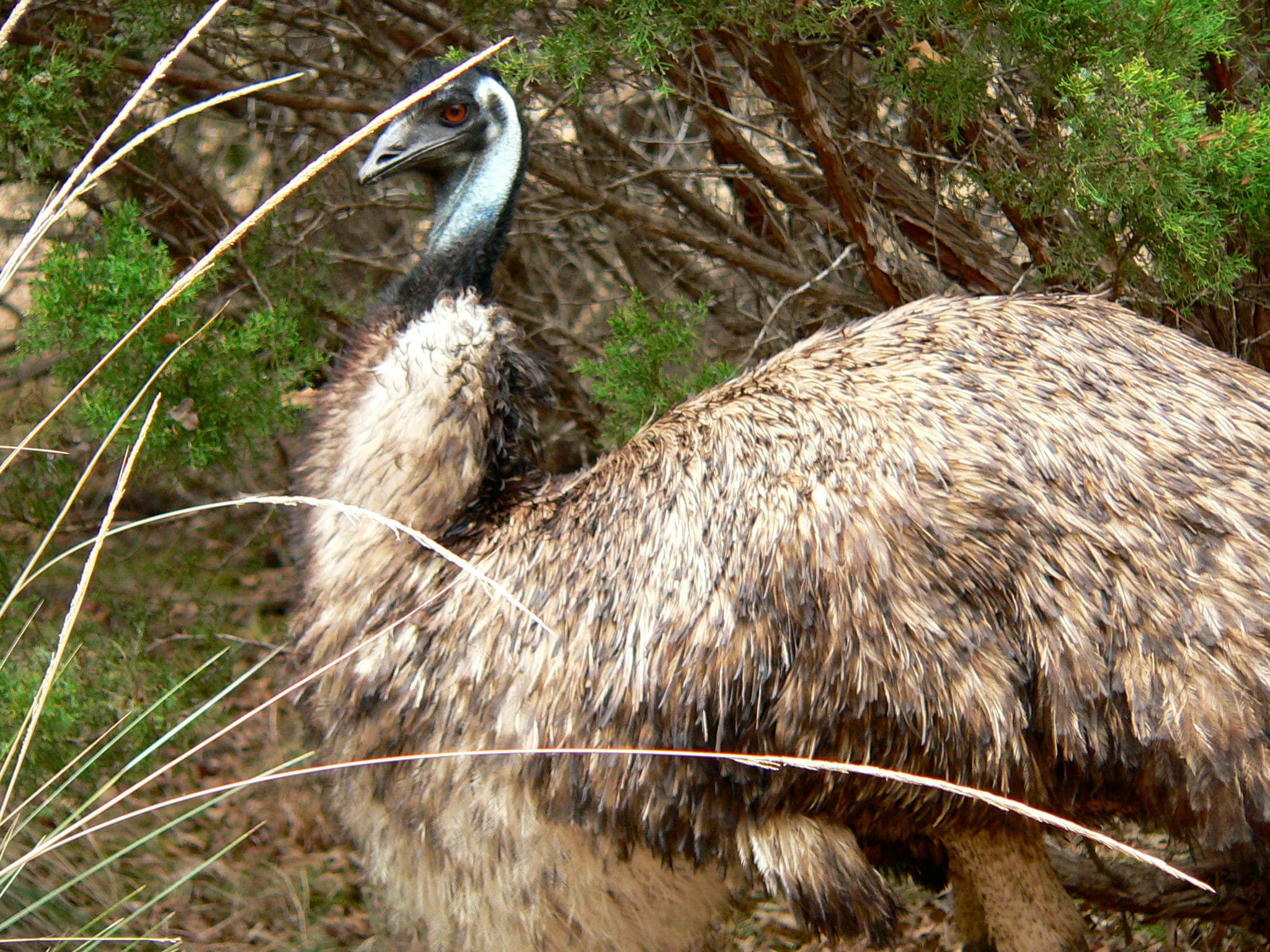
Emus are large flightless birds that travel long distances in search of seasonal food and water. Males incubate the dark green eggs and guard striped chicks after hatching. Their movements disperse seeds across Australian landscapes and link open woodland, scrub, and grassland habitats.
Read facts →
 Least Concern
Great Blue Heron
Ardea herodias
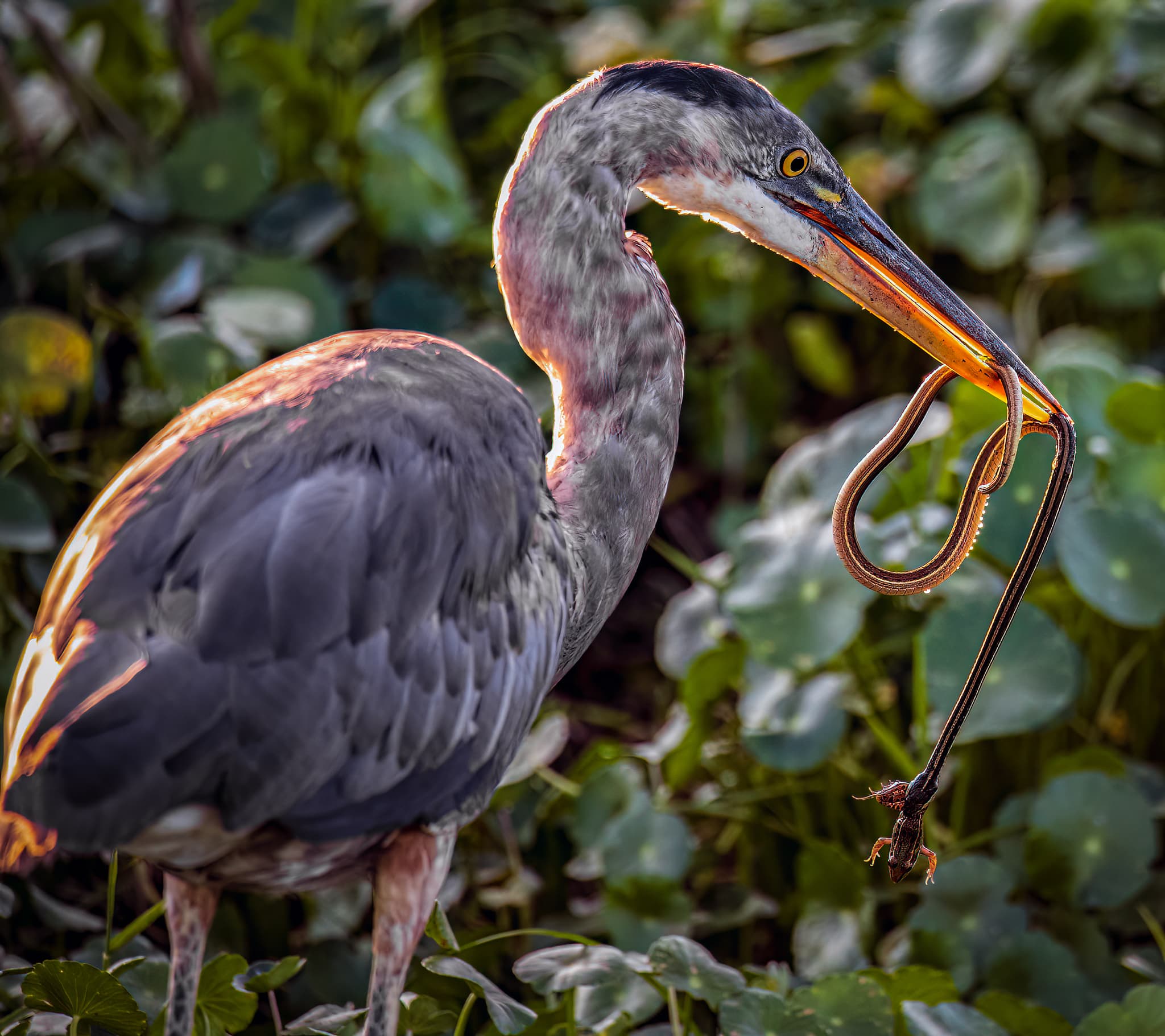
Great blue herons stalk slowly through shallow water before striking fish and frogs with a rapid thrust of the bill. They nest in colonies called rookeries, often high in trees near wetlands. Their broad habitat tolerance makes them a familiar indicator of healthy aquatic food webs.
Read facts →
 Least Concern
Great Egret
Ardea alba
The great egret is a tall, elegant white heron found on every continent except Antarctica. In the late 1800s its breeding plumes were so prized for ladies' hats that colonies were shot out; public outrage led to the founding of the Audubon movement and some of the first bird protection laws — the egret remains the Audubon logo to this day. It hunts by standing motionless before spearing fish with a lightning strike.
Read facts →
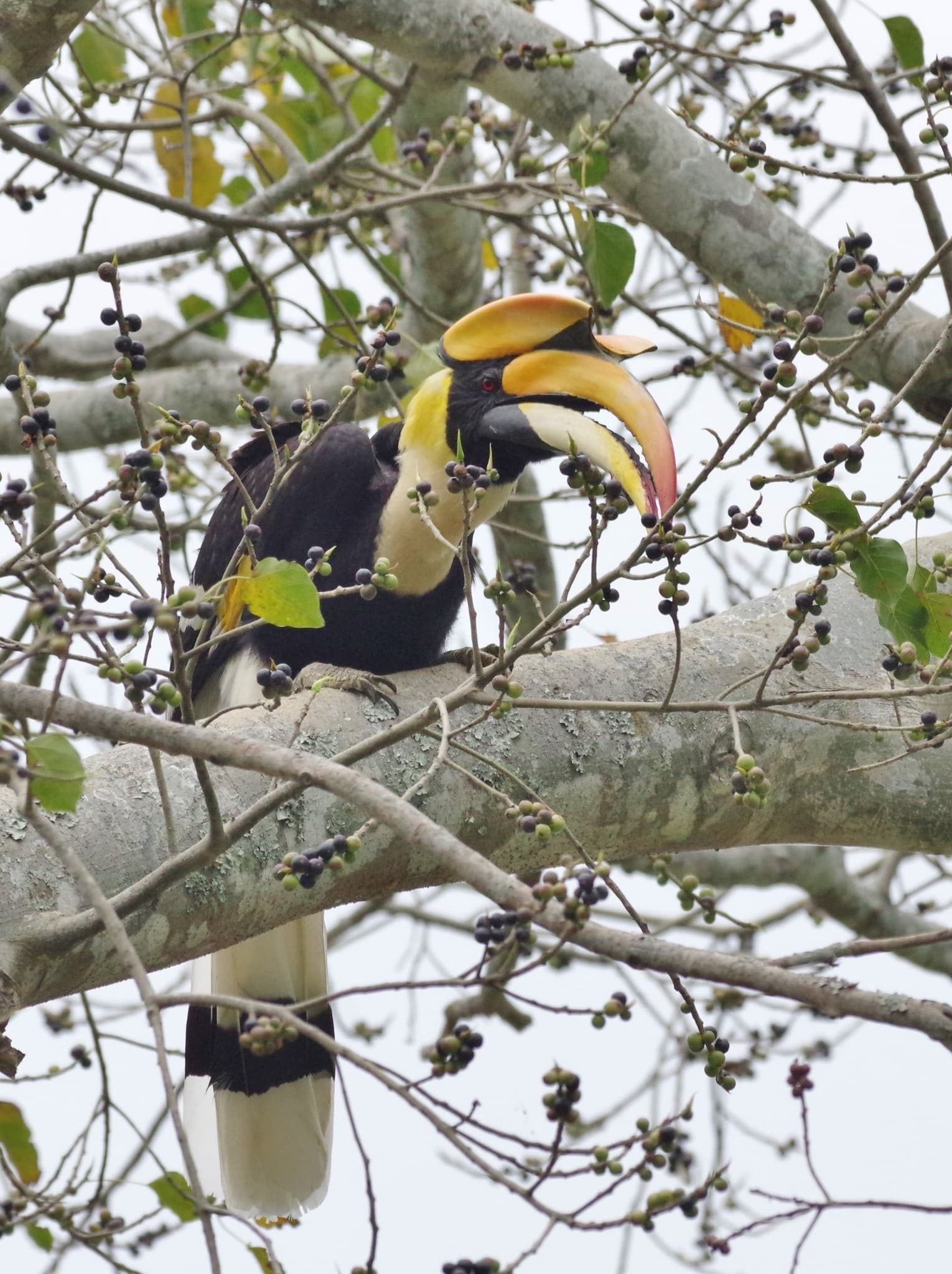 Vulnerable
Great Hornbill
Buceros bicornis
The great hornbill is a large forest bird with a huge yellow bill and casque. It is an important seed disperser, swallowing fruit whole and carrying seeds between forest patches. Nesting females seal themselves inside tree cavities, depending on males to deliver food until the chick grows.
Read facts →
 Least Concern
Greater Flamingo
Phoenicopterus roseus
The greater flamingo is the largest and most widespread species of the flamingo family. Common in the Old World, they are found in Northern (coastal) and Sub-Saharan Africa, the Indian subcontinent, the Middle East, the Levant, the Persian Gulf, the Gulf of Aden, the Red Sea, and the Mediterranean countries of Southern Europe.
Read facts →
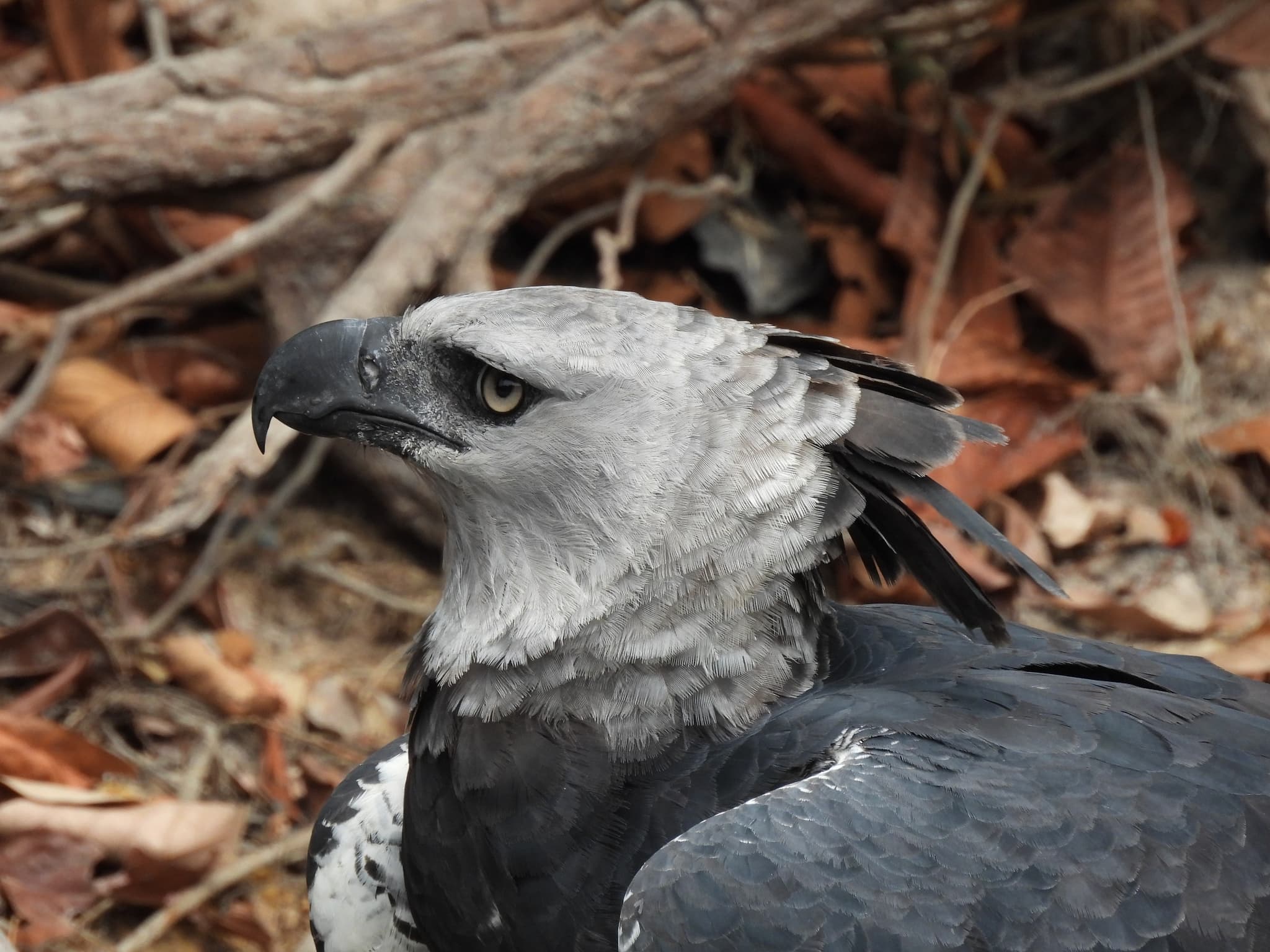 Vulnerable
Harpy Eagle
Harpia harpyja
The harpy eagle is one of the world’s most powerful eagles, built for maneuvering through dense rainforest rather than soaring over open country. Its huge talons can seize sloths and monkeys from the canopy. Because pairs need large territories and tall nesting trees, deforestation quickly reduces suitable habitat.
Read facts →
 Least Concern
Indian Peafowl
Pavo cristatus
The Indian peafowl, also known as the common peafowl, or blue peafowl, is a species of peafowl native to the Indian subcontinent. While it originated in the Indian subcontinent, it has since been introduced to many other parts of the world.
Read facts →
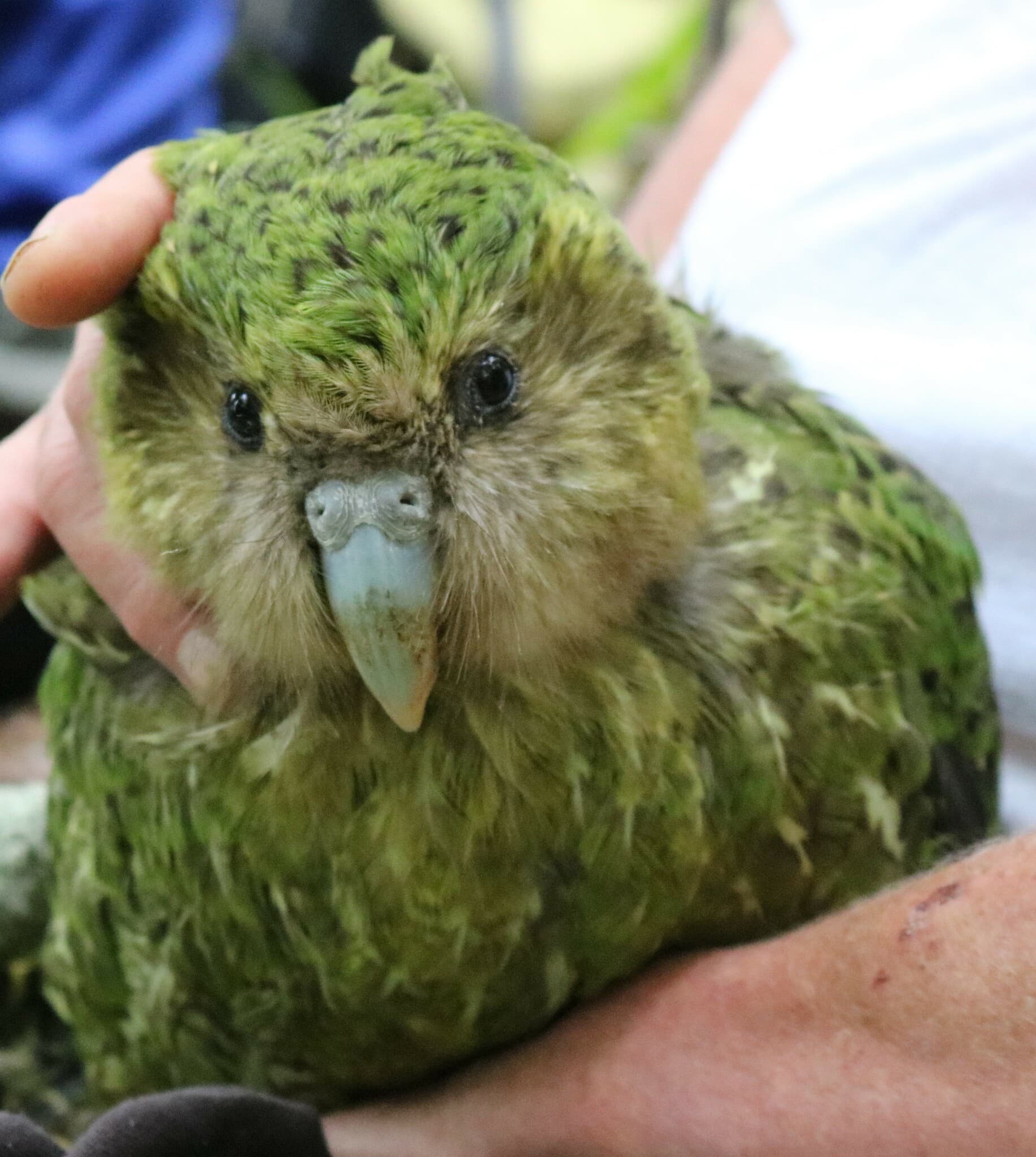 Critically Endangered
Kakapo
Strigops habroptilus
The kakapo is a heavy, nocturnal, flightless parrot with moss-green plumage and a strong musty scent. Males gather at display sites and make booming calls that can carry long distances during breeding years. Intensive conservation, predator-free islands, and individual monitoring keep this critically endangered species alive.
Read facts →
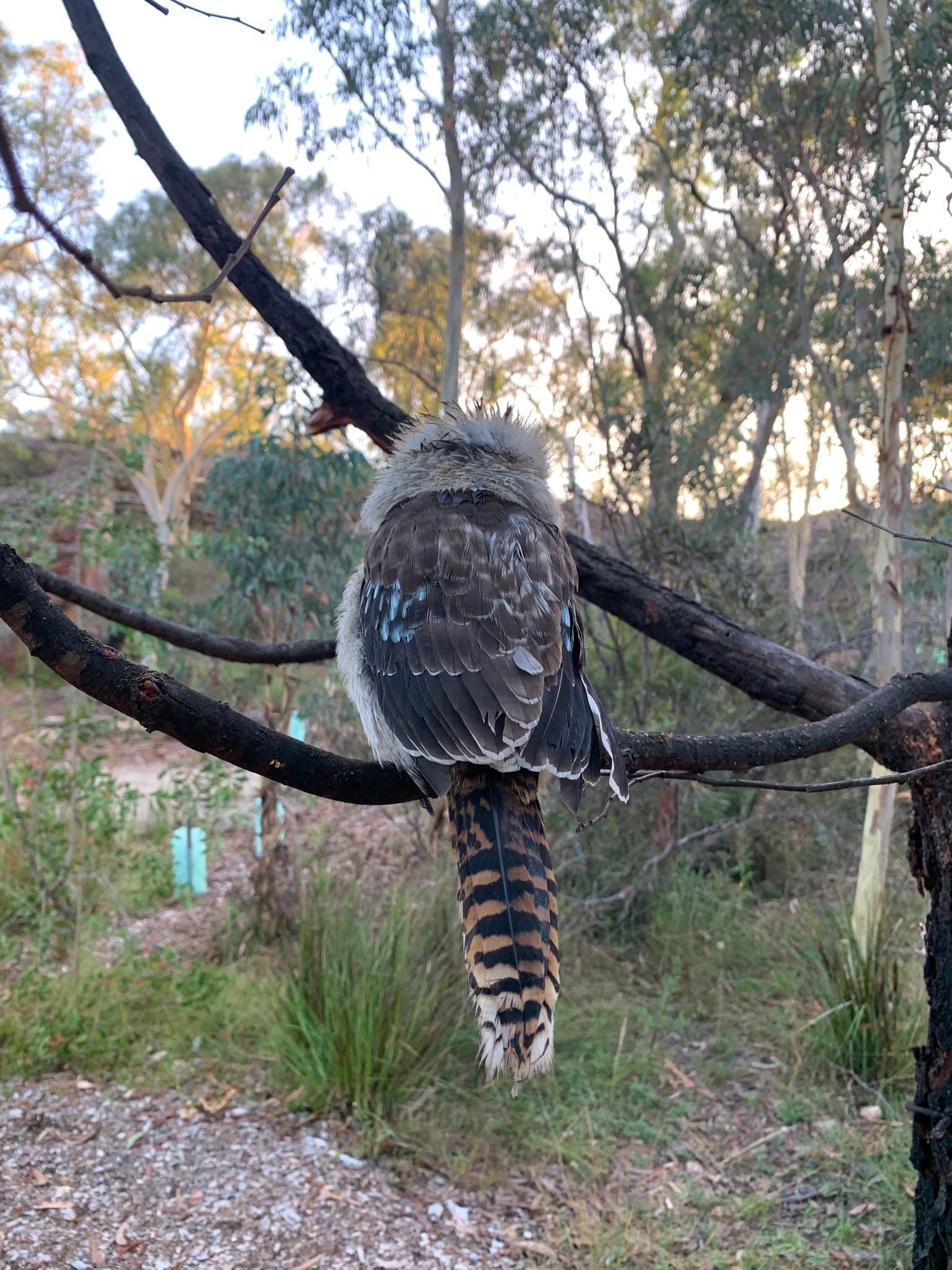 Least Concern
Laughing Kookaburra
Dacelo novaeguineae
Laughing kookaburras are large woodland kingfishers whose loud territorial calls sound like human laughter. Family groups defend territories and often help raise young in tree hollows. Unlike stream kingfishers, kookaburras mostly hunt terrestrial prey from branches and posts.
Read facts →
 Least Concern
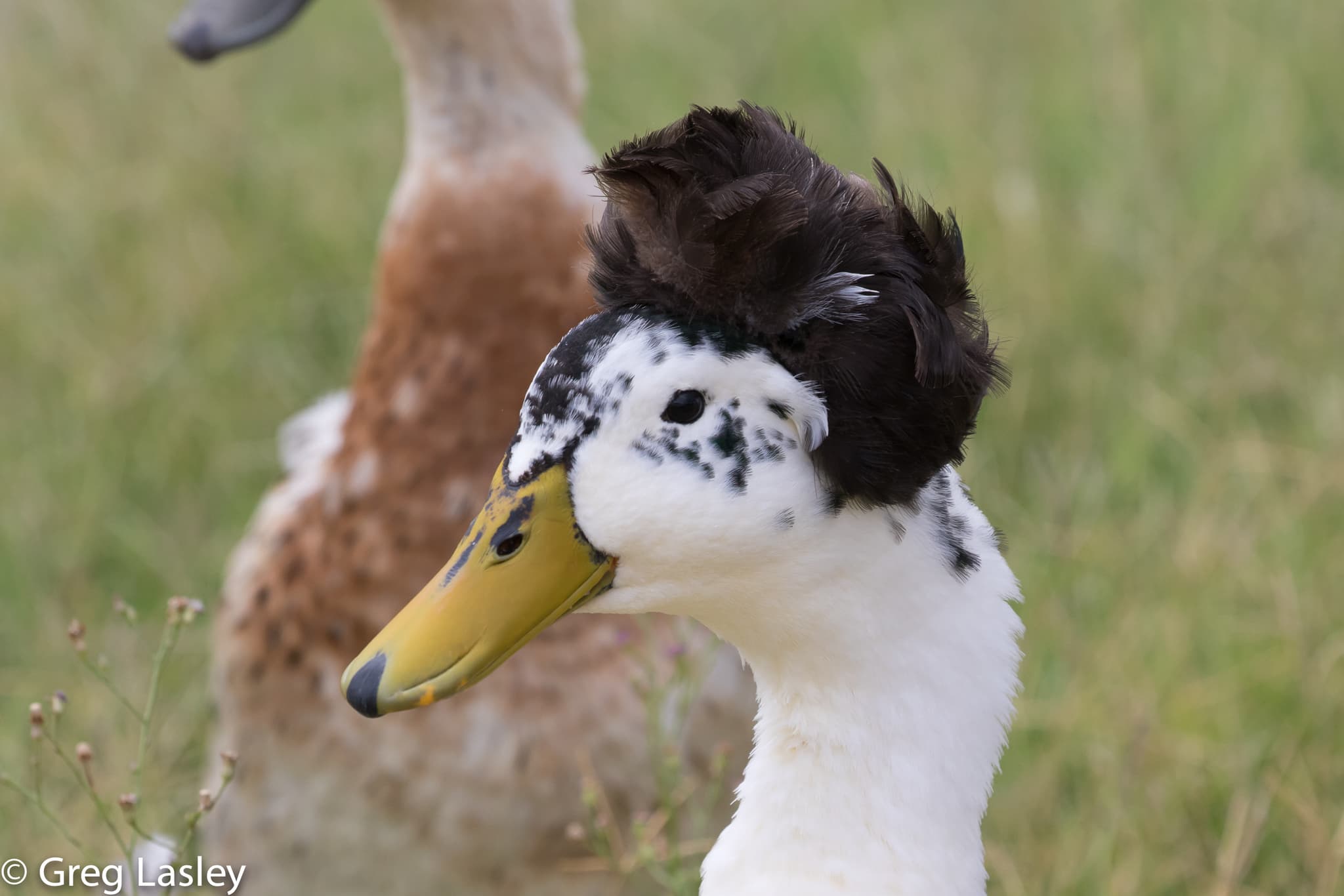
Mallard
Anas platyrhynchos
Mallards are dabbling ducks that tip forward to feed in shallow water rather than diving deeply. Males have glossy green heads during breeding season, while females are mottled brown for camouflage. Their adaptability has made them common in both wild wetlands and city parks.
Read facts →
 Vulnerable
North Island Brown Kiwi
Apteryx mantelli
The North Island brown kiwi is a flightless nocturnal bird with hairlike feathers and nostrils near the tip of its bill. It probes soil and leaf litter by smell, finding worms and invertebrates in the dark. Predation by introduced mammals remains the main threat to chicks and unmanaged populations.
Read facts →
 Least Concern
Northern Cardinal
Cardinalis cardinalis
The northern cardinal's brilliant red plumage and crest, and its clear whistled song, make it one of North America's most recognized birds. Females are olive with warm red accents and also sing, unusual for songbirds. Both sexes defend territories year-round and often stay paired for life. The range has expanded northward as winters warmed and feeders became common, and it is the state bird of seven US states.
Read facts →
 Least Concern
Peregrine Falcon
Falco peregrinus
The peregrine falcon, also referred to simply as the peregrine, is a bird of prey (raptor) in the family Falconidae known for its speed. A large, crow-sized falcon, it has a blue-grey back, barred white underparts and a black head.
Read facts →
 Least Concern
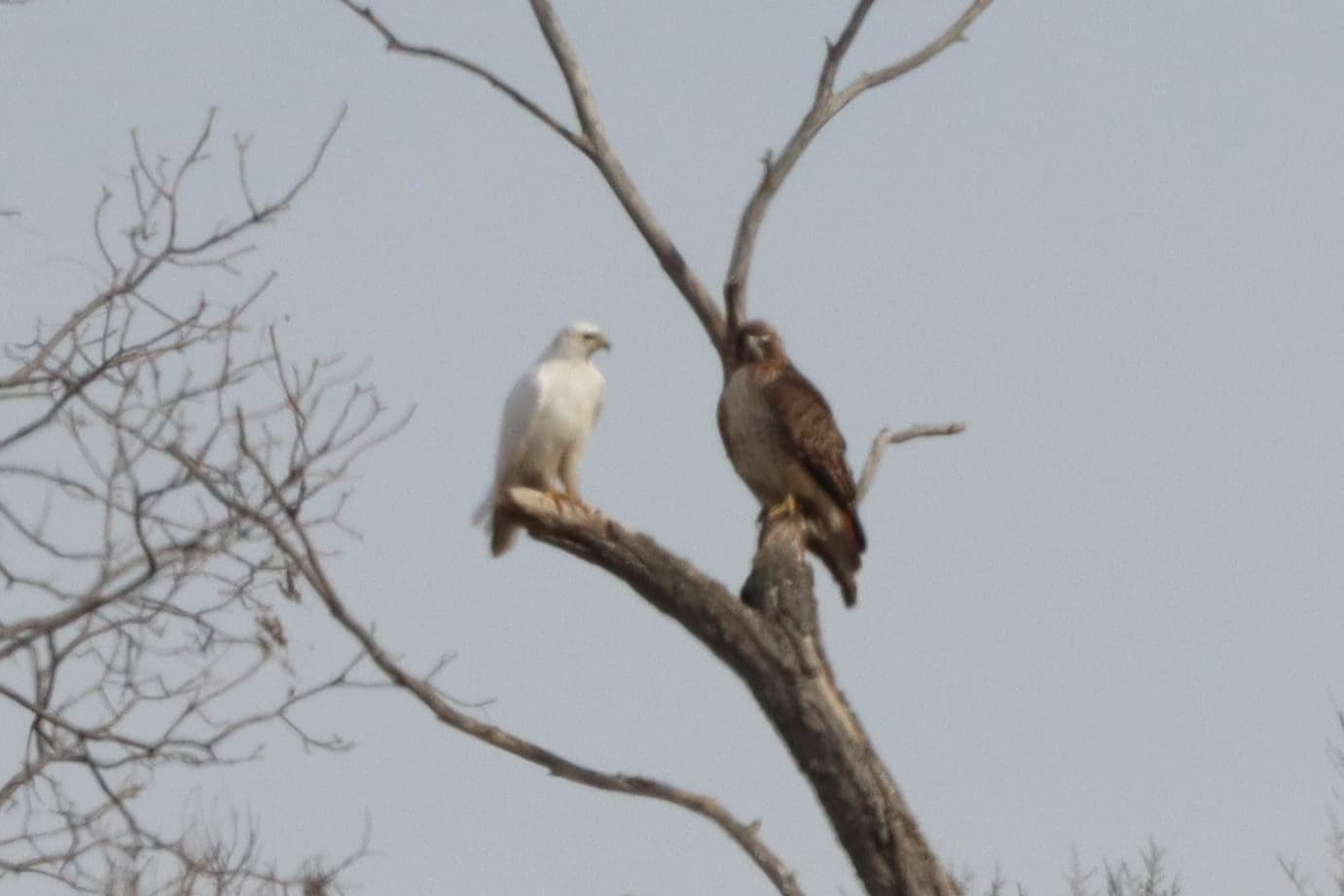
Red-Tailed Hawk
Buteo jamaicensis
Red-tailed hawks are powerful soaring raptors commonly seen perched along highways and open fields. They hunt from perches or by circling on thermals, then dive onto mammals and reptiles. Their piercing call is one of the most familiar raptor sounds in North America.
Read facts →
 Near Threatened
Resplendent Quetzal
Pharomachrus mocinno
The resplendent quetzal is one of the world's most striking birds, with iridescent emerald plumage, a crimson breast, and the male's extraordinary long tail coverts that stream behind him in flight. It nests in holes excavated in rotten trees and feeds mainly on small wild avocados, swallowing them whole before regurgitating the pit. National bird of Guatemala, it depends on intact cloud forest, which clearance and fragmentation are shrinking.
Read facts →
 Least Concern
Roseate Spoonbill
Platalea ajaja
The roseate spoonbill gets its pink colour from carotenoid pigments in the crustaceans it eats, and it feeds by sweeping its peculiar flat bill side to side through shallow water, snapping shut on prey by touch. In the 1800s plume hunters nearly eliminated it from the United States; protection of Florida wetlands brought it back. It nests colonially in mangroves alongside herons and ibises.
Read facts →
 Least Concern
Sandhill Crane
Antigone canadensis
Sandhill cranes are tall, gray, trumpeting birds that migrate in huge flocks — the Platte River in Nebraska can host half a million birds each March. Pairs perform elaborate dancing with bows, leaps, and thrown vegetation, and they stay together for years, teaching migration routes to their young. The Mississippi and Cuban populations are endangered, but overall the species is one of the great success stories of crane conservation.
Read facts →
 Least Concern
Scarlet Macaw
Ara macao
The scarlet macaw also called the red-and-yellow macaw, red-and-blue macaw or red-breasted macaw, is a large yellow, green, red and blue Neotropical parrot native to humid evergreen forests of the Americas. Its range extends from southeastern Mexico to Peru, Ecuador, Colombia, Bolivia, Venezuela, Honduras, and Brazil in lowlands of 500 m (1,600 ft) up to 1,000 m (3,300 ft), the Caribbean island of Trinidad, as well as the Pacific island of Coiba. Formerly, the northern extent of its range included southern Tamaulipas. In some areas, it has suffered local extinction because of habitat destruction, or capture for the parrot trade, but in other areas, it remains fairly common.
Read facts →
 Endangered
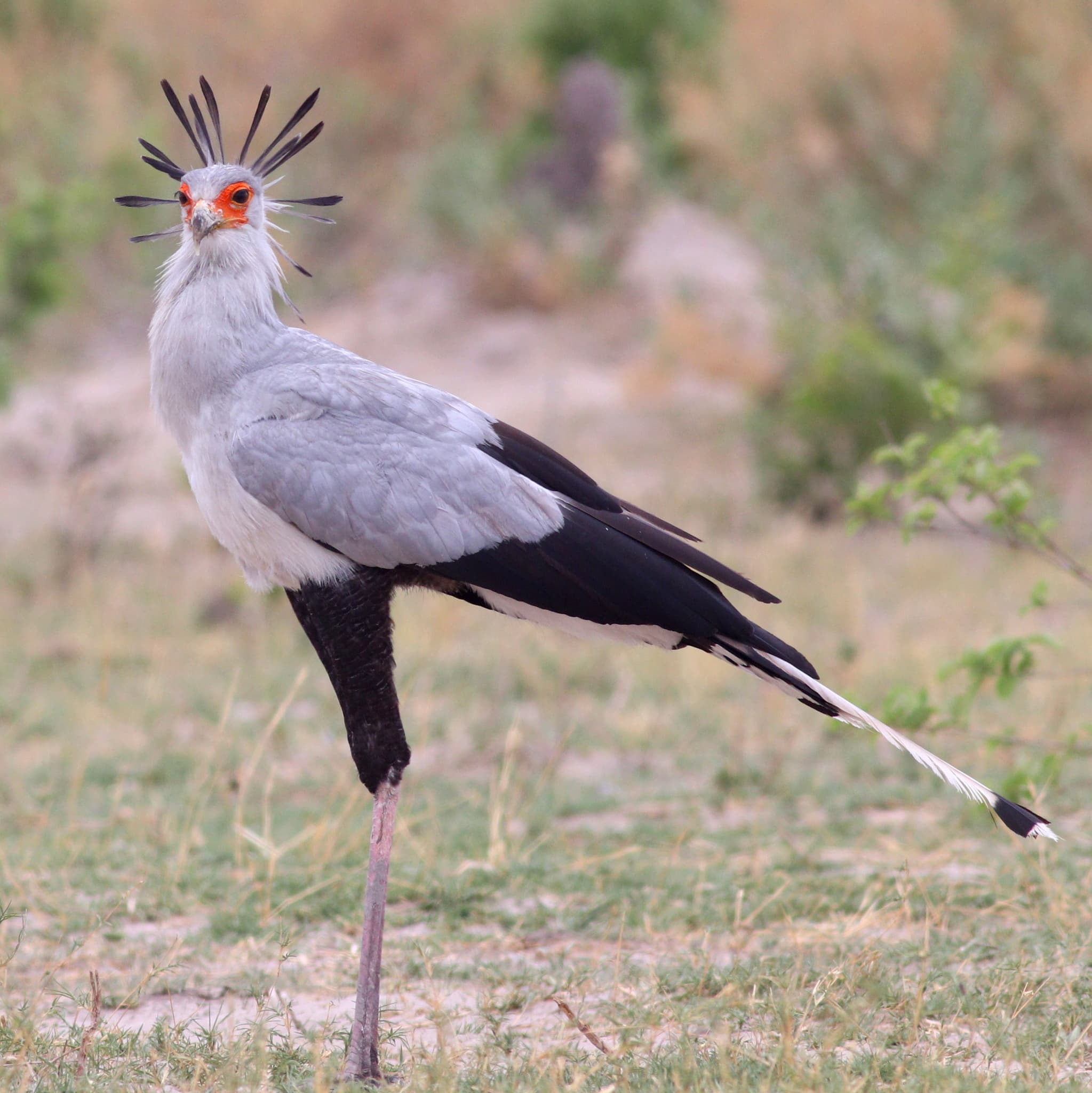
Secretarybird
Sagittarius serpentarius
The secretarybird is a terrestrial raptor with long crane-like legs and a crest of dark feathers. It stalks across savannas hunting insects, rodents, and snakes, often killing prey with rapid stamping kicks. Habitat conversion, disturbance, and declining prey availability have driven serious population declines.
Read facts →
 Vulnerable
Shoebill
Balaeniceps rex
The shoebill stands over a metre tall and stares motionless over African swamps before striking lungfish with one of the largest bills of any bird. It builds floating nests in papyrus and usually raises a single chick. Its prehistoric appearance and statue-still hunting have made it a birdwatcher's prize, but habitat loss, disturbance at nests, and the illegal bird trade have reduced the world population to a few thousand pairs.
Read facts →
 Vulnerable
Snowy Owl
Bubo scandiacus
The snowy owl, also known as the polar owl, the white owl and the Arctic owl, is a large, white owl of the true owl family. Snowy owls are native to the Arctic regions of both North America and the Palearctic, breeding mostly on the tundra. It has a number of unique adaptations to its habitat and lifestyle, which are quite distinct from other extant owls. One of the largest species of owl, it is the only owl with mainly white plumage.
Read facts →
 Least Concern
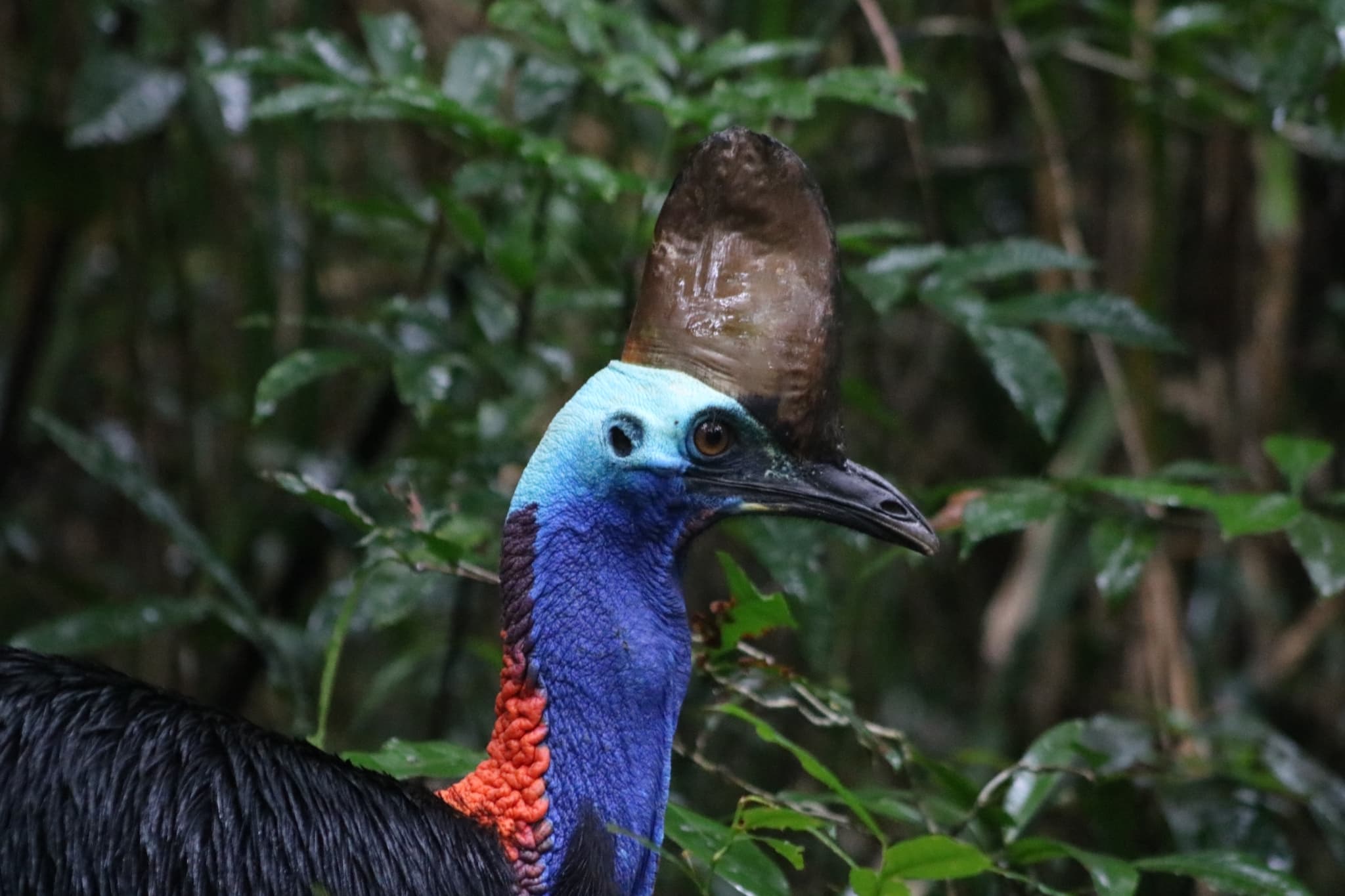
Southern Cassowary
Casuarius casuarius
The southern cassowary is a large flightless bird with glossy black plumage, a blue neck, and a tall casque on its head. It swallows many rainforest fruits whole and spreads seeds across long distances. Although shy, cassowaries are powerful birds with dagger-like inner claws and need intact rainforest corridors to thrive.
Read facts →
 Least Concern
Toco Toucan
Ramphastos toco
The toco toucan is a species of bird in the toucan family Ramphastidae. It is the largest species of toucan and has a distinctive appearance, with a black body, a white throat, chest and uppertail-coverts, and red undertail-coverts. Its most conspicuous feature is its huge beak, which is yellow-orange with a black base and a large spot on the tip.
Read facts →
 Near Threatened
Victoria Crowned Pigeon
Goura victoria
The Victoria crowned pigeon is the world's largest pigeon, a ground-dwelling bird of New Guinean rainforest with an elegant fan of lacy white-tipped crest feathers. Pairs and small groups walk the forest floor taking fallen fruit, and their loud booming calls carry through dense vegetation. Logging and hunting for plumes and food are shrinking populations, so it needs large tracts of intact forest to survive.
Read facts →
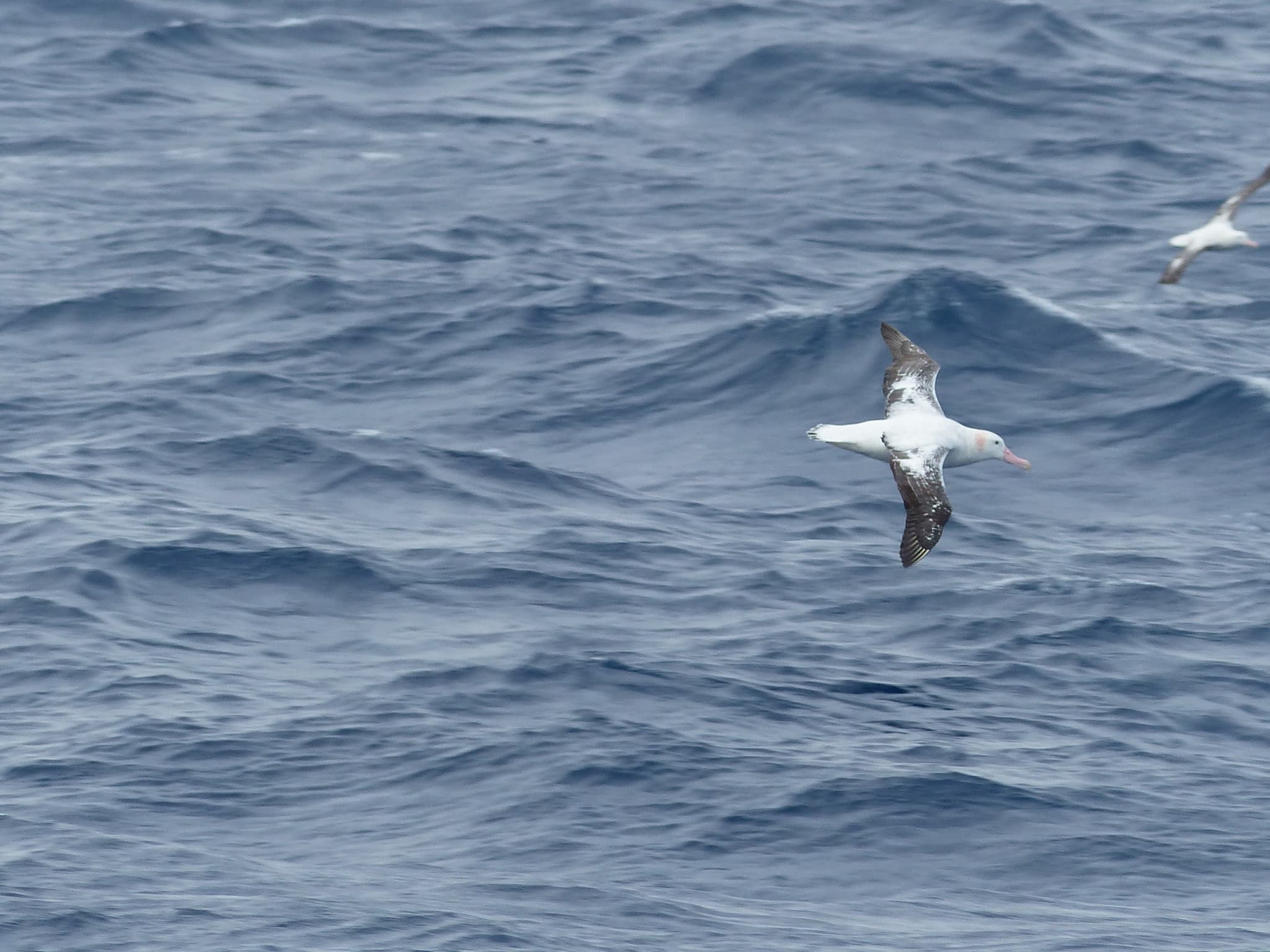 Vulnerable
Wandering Albatross
Diomedea exulans
The wandering albatross has the longest wingspan of any living bird and can travel immense distances with minimal flapping. It rides ocean winds using dynamic soaring, searching for squid, fish, and carrion far from land. Slow breeding and accidental capture on fishing lines make this magnificent seabird vulnerable.
Read facts →
 Endangered
Whooping Crane
Grus americana
Whooping cranes are snow-white, five-foot-tall birds that were reduced to 21 wild individuals in 1941 after wetland drainage and hunting. Decades of protection, captive breeding, and daring ultralight-led migrations have rebuilt a wild population of a few hundred, still fragile. Their trumpeting calls carry over a kilometre, and pairs dance and duet to strengthen lifelong bonds. Habitat protection along the Gulf coast remains essential.
Read facts →
 Least Concern
Wood Duck
Aix sponsa
The male wood duck is among the most spectacular waterfowl, with an iridescent crested head, red eye, and white flank stripes. Unlike most ducks it perches in trees and nests in cavities, where ducklings leap to the ground the day after hatching. Market hunting had nearly eliminated it by 1900; hunting limits and thousands of nest boxes brought it back, a classic conservation success.
Read facts →