Browse Animals by Category
Amphibian Species
Explore this list of amphibian species with photos and facts from the Animal World catalog, including scientific names, habitats, ranges, and conservation status for each animal.
This category hub links to 13 existing amphibians profiles, so you can jump from a photo thumbnail to deeper facts without adding any new species to the database.
Amphibians in Animal World
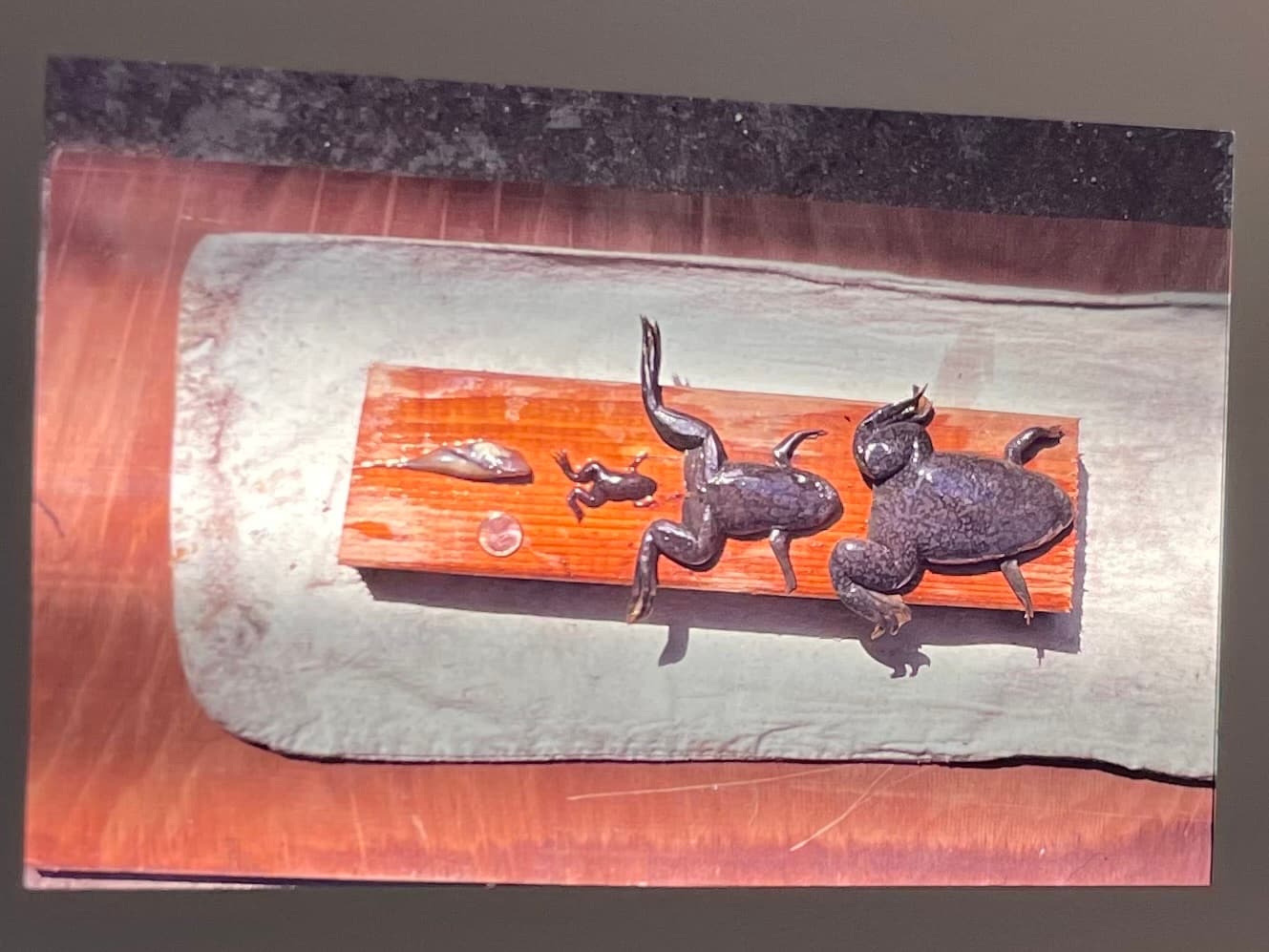 Least Concern
African Clawed Frog
Xenopus laevis
African clawed frogs are aquatic frogs with flattened bodies, strong swimming legs, and small claws on the hind feet. They locate food with sensitive lateral-line organs and suction feeding. Their global use in laboratories and the pet trade led to introductions that can affect native amphibians.
Read facts →
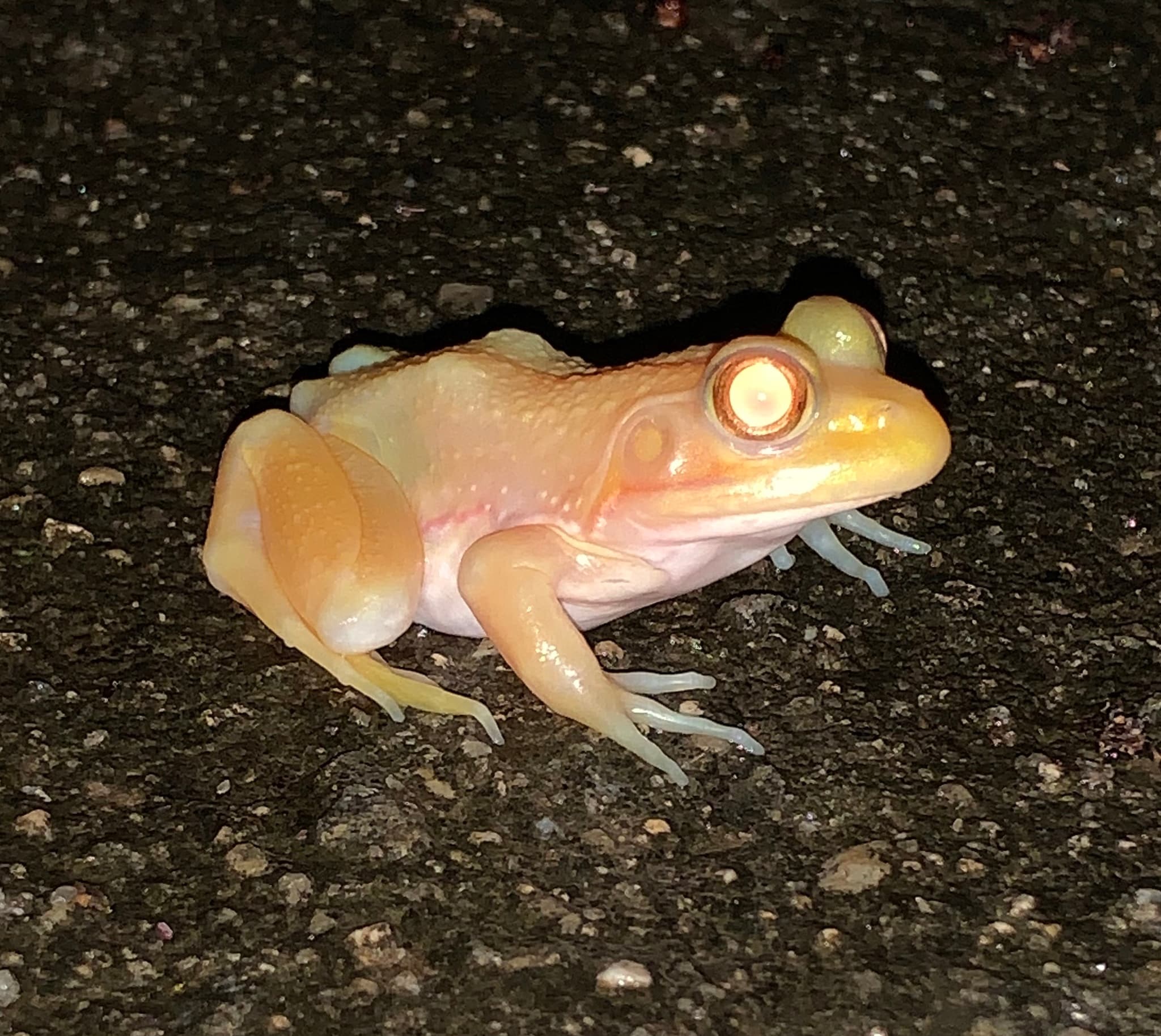 Least Concern
American Bullfrog
Lithobates catesbeianus
American bullfrogs are large aquatic frogs whose deep calls carry across warm wetlands. They are opportunistic predators capable of eating many smaller animals. Introductions outside their native range can harm local amphibians through predation, competition, and disease spread.
Read facts →
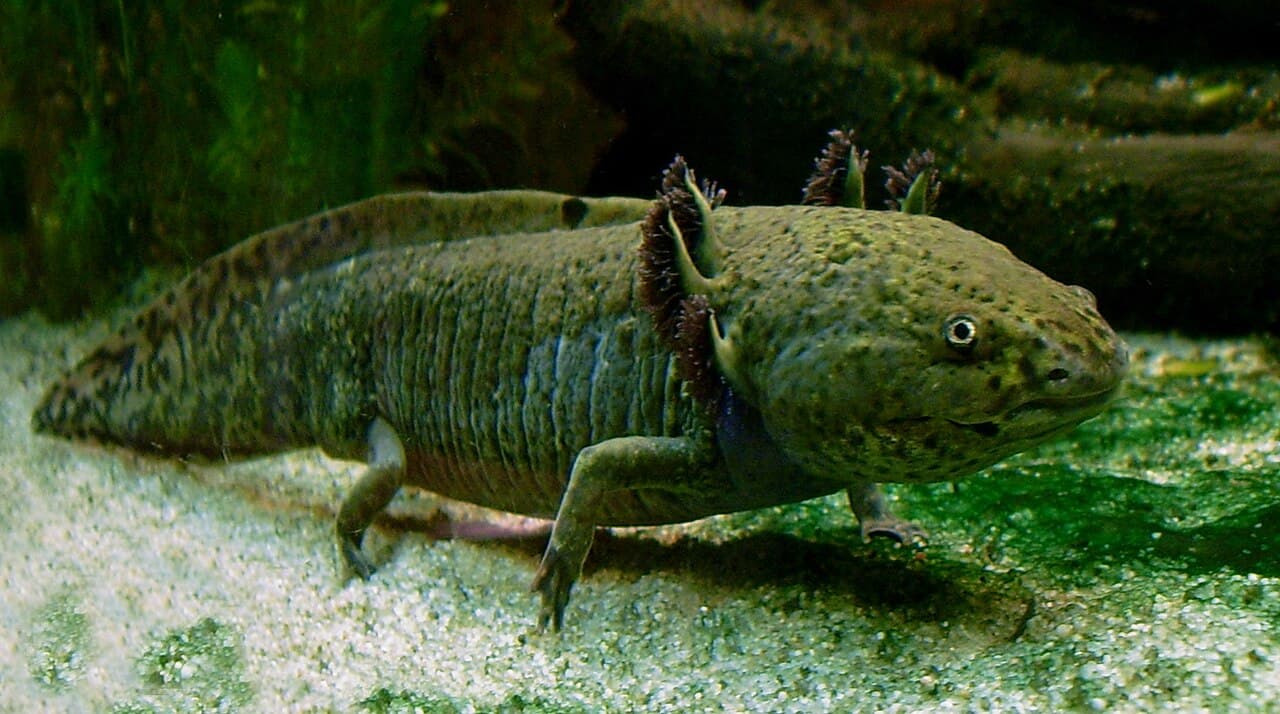 Critically Endangered
Axolotl
Ambystoma mexicanum
The axolotl is a species of mole salamander. It is neotenic, reaching sexual maturity without undergoing metamorphosis, and the adults remain fully aquatic with obvious external gills.
Read facts →
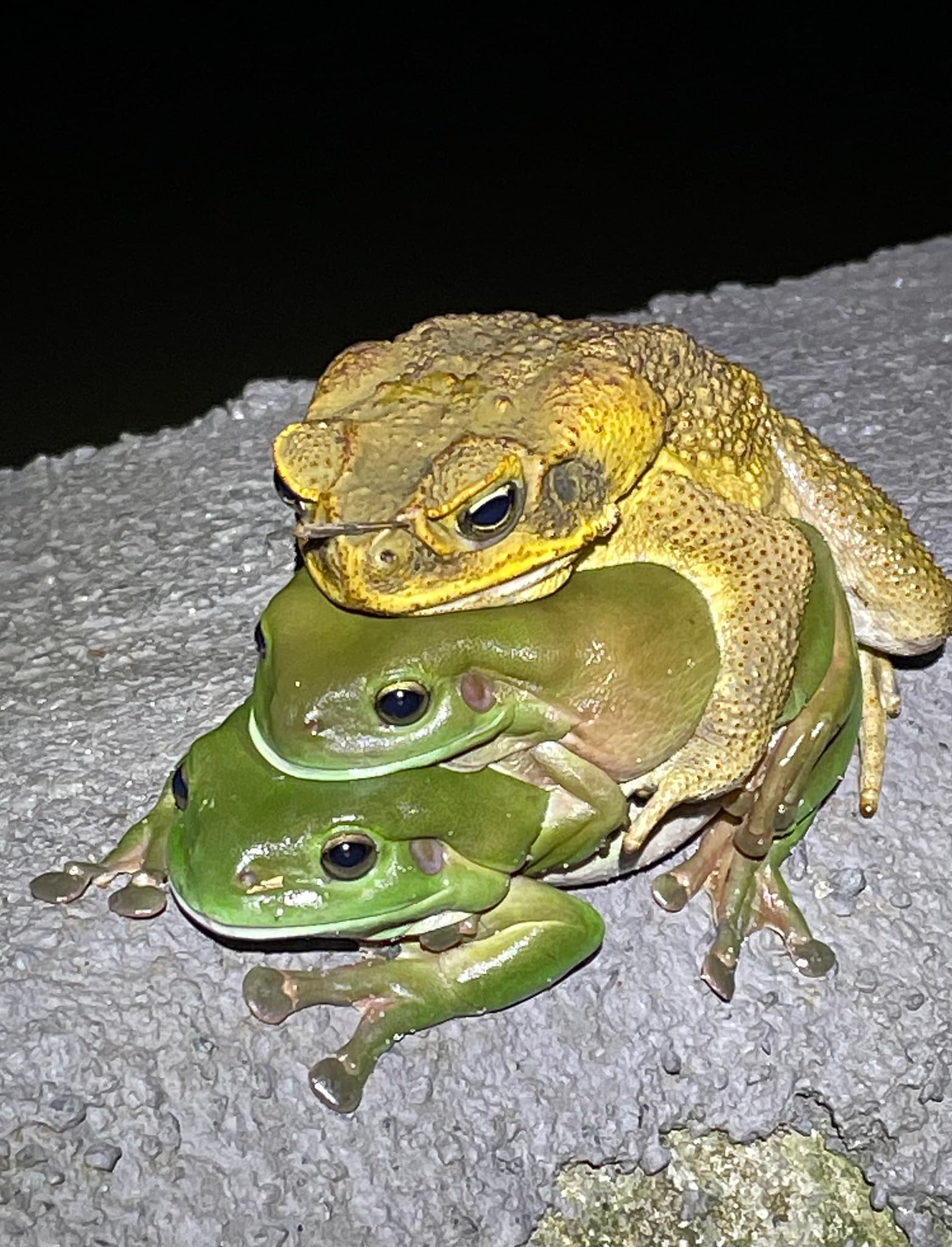 Least Concern
Cane Toad
Rhinella marina
Cane toads have large poison glands that can kill predators not adapted to their toxins. They were introduced to control crop pests but became invasive in Australia and many islands. Their success comes from high reproduction, broad diet, and tolerance of disturbed habitats.
Read facts →
 Least Concern
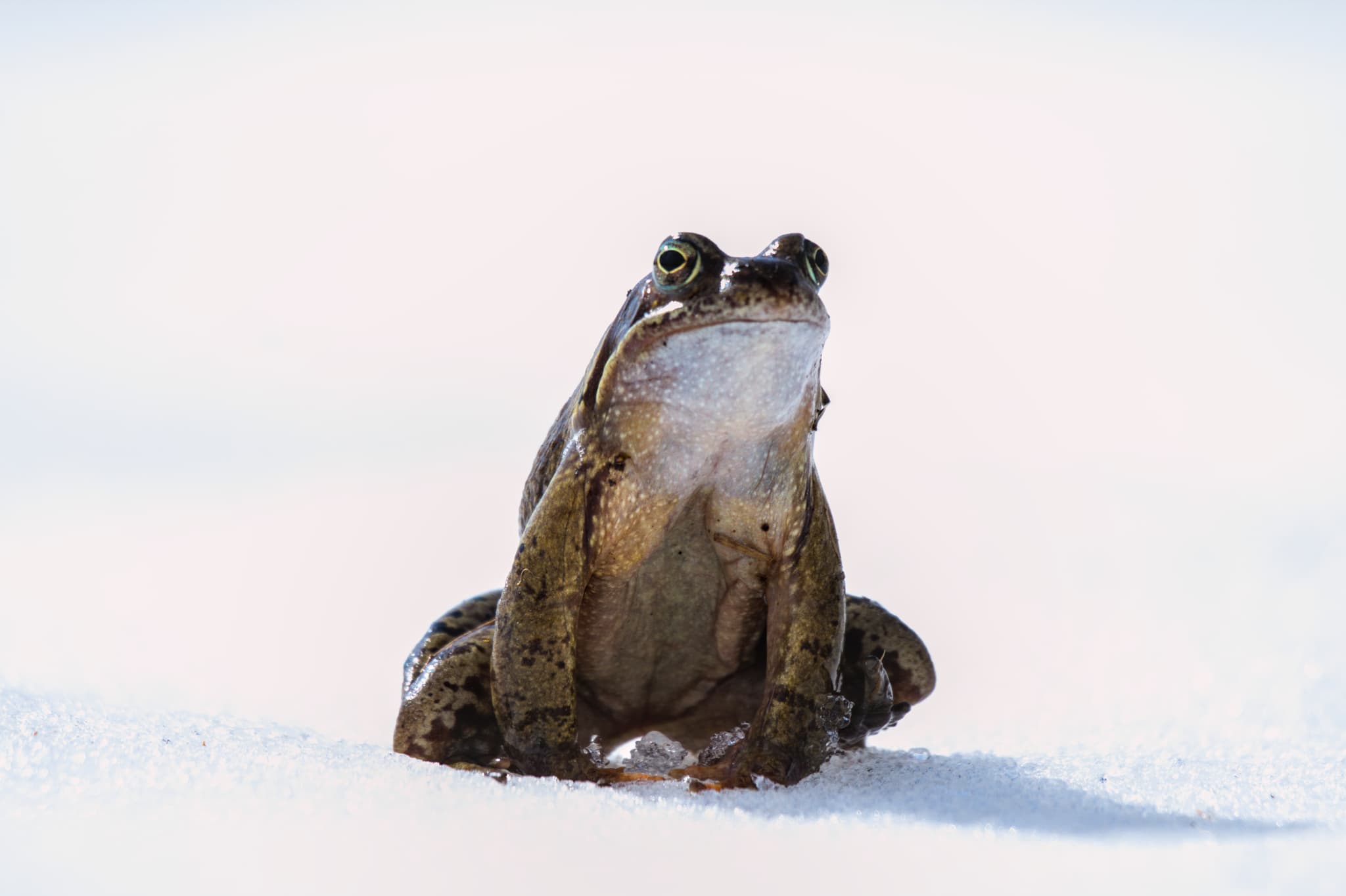
Common Frog
Rana temporaria
The common frog is a widespread European amphibian known for spring breeding migrations to ponds. Adults spend much of the year on land, hunting small invertebrates in damp vegetation. Spawn develops into tadpoles that graze algae before metamorphosing into tiny froglets.
Read facts →
 Least Concern
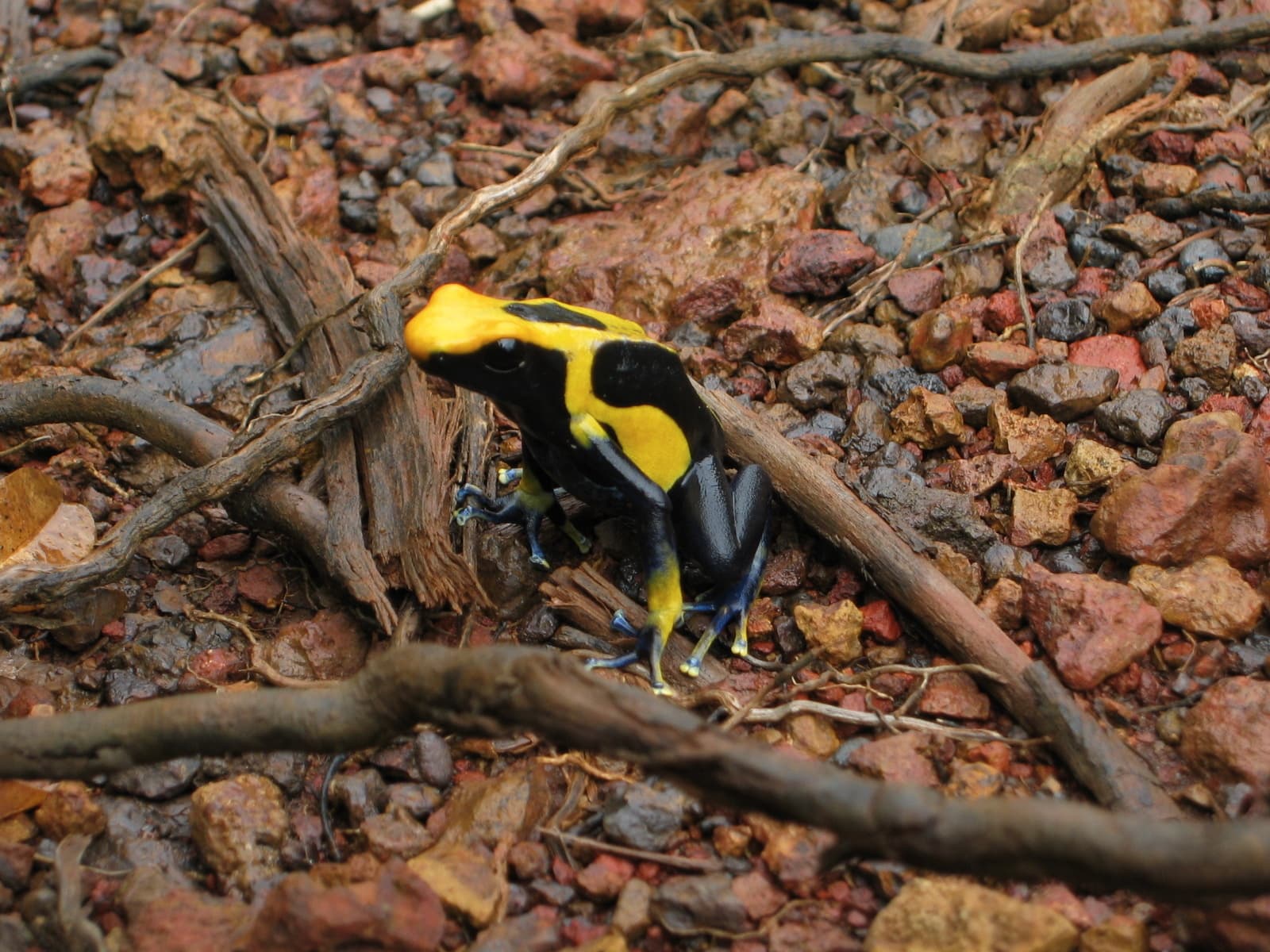
Dyeing Poison Dart Frog
Dendrobates tinctorius
Dyeing poison dart frogs advertise chemical defenses with bright blue, yellow, white, or black patterns. Their skin alkaloids come from tiny arthropod prey in the wild. Males guard eggs and transport tadpoles to small pools, making humid intact rainforest microhabitats important.
Read facts →
 Least Concern
Fire Salamander
Salamandra salamandra
The fire salamander (Salamandra salamandra) is one of the best-known and most striking salamanders in Europe, recognized by its glossy black body adorned with vivid yellow spots or stripes. The bold yellow-and-black coloration serves as a warning to predators, as the salamander secretes toxic alkaloids — including samandarin — through glands in its skin. It typically grows to 15–25 cm in length and is found across much of central, southern, and eastern Europe, as well as parts of North Africa and the Middle East.
Read facts →
 Endangered
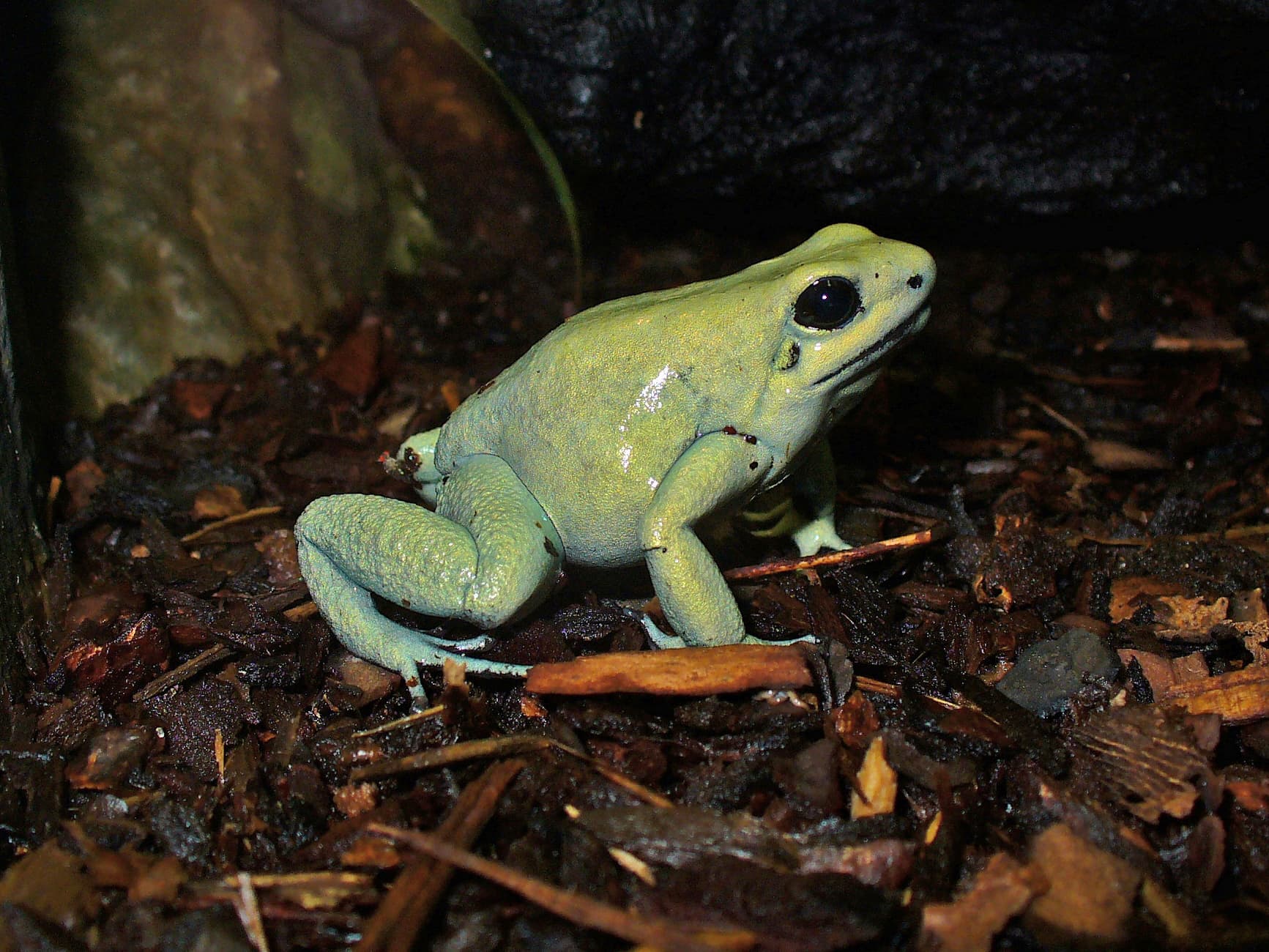
Golden Poison Frog
Phyllobates terribilis
The golden poison frog is a small, brightly colored amphibian whose skin can contain extremely potent alkaloid toxins. Its warning coloration signals danger to predators, while captive frogs lose toxicity without their wild diet. Habitat destruction in Colombia’s Chocó rainforest makes this spectacular species endangered.
Read facts →
 Near Threatened
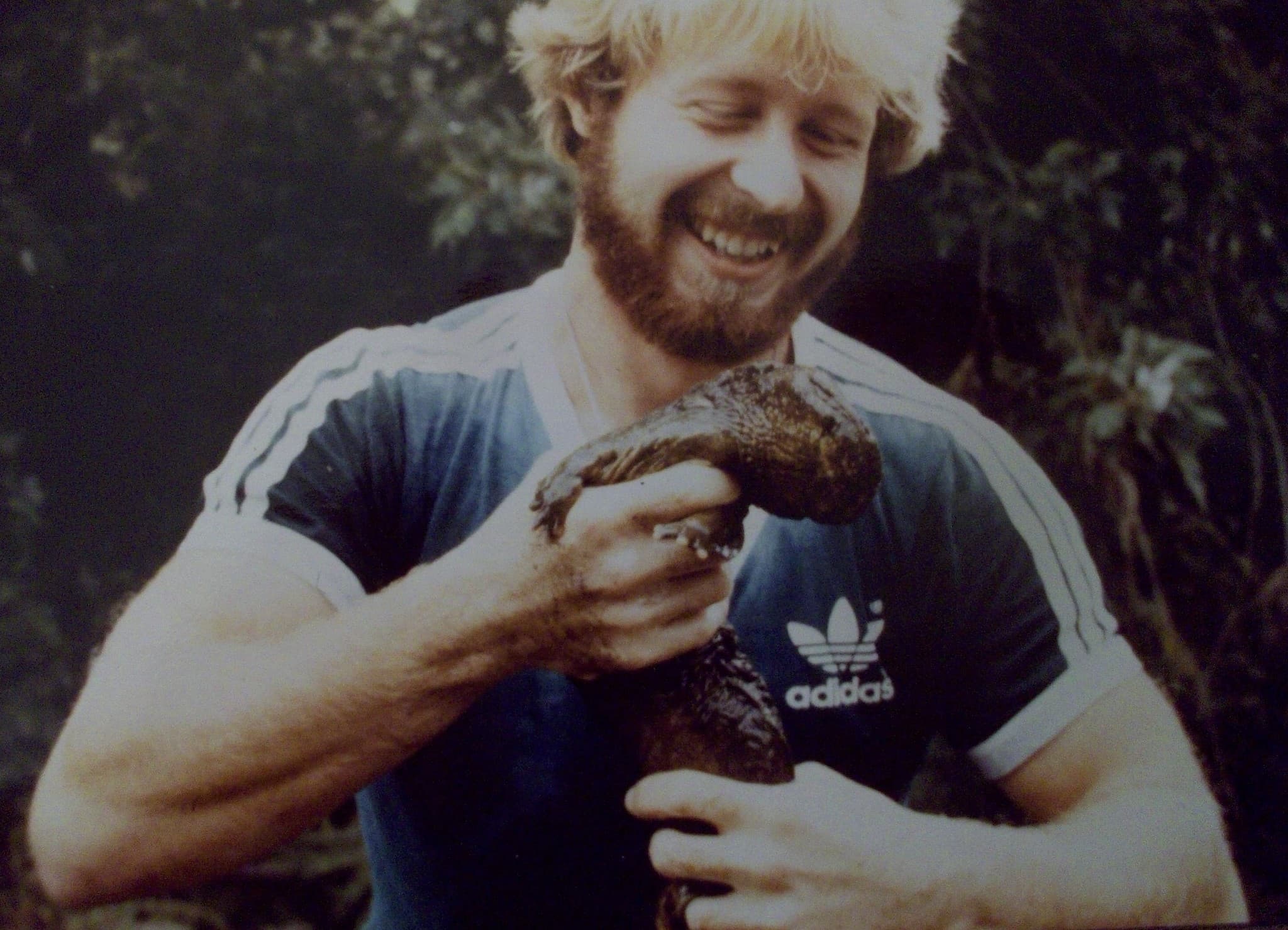
Hellbender
Cryptobranchus alleganiensis
Hellbenders are large fully aquatic salamanders that breathe partly through wrinkled skin folds. They shelter beneath flat rocks and rely on clean, oxygen-rich streams. Siltation, pollution, disease, and stream alteration have caused declines, making them indicators of freshwater habitat quality.
Read facts →
 Vulnerable
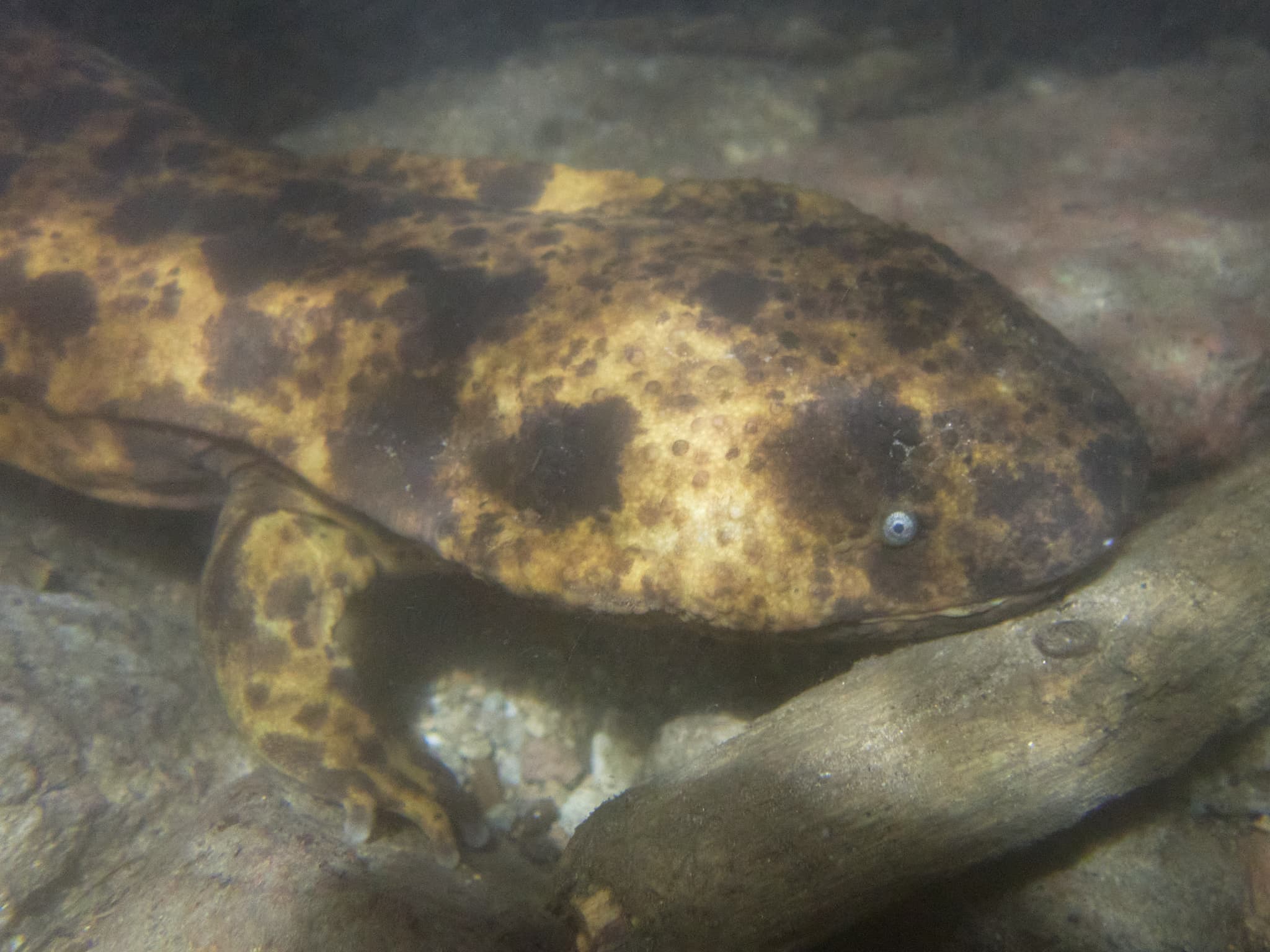
Japanese Giant Salamander
Andrias japonicus
The Japanese giant salamander is one of the world’s largest amphibians and belongs to an ancient lineage. It breathes partly through folded skin and waits under rocks for prey in cold streams. River engineering, sedimentation, and hybridization with introduced Chinese giant salamanders threaten wild populations.
Read facts →
 Vulnerable
Olm
Proteus anguinus
The olm is a blind, pale salamander that spends its entire life in underwater caves, breathing with external gills. It can go years without food, live nearly a century, and lay eggs only every decade or so, making populations extremely slow to recover. Local legends once described it as a baby dragon; today pollution of groundwater and cave disturbance are its main threats.
Read facts →
 Least Concern
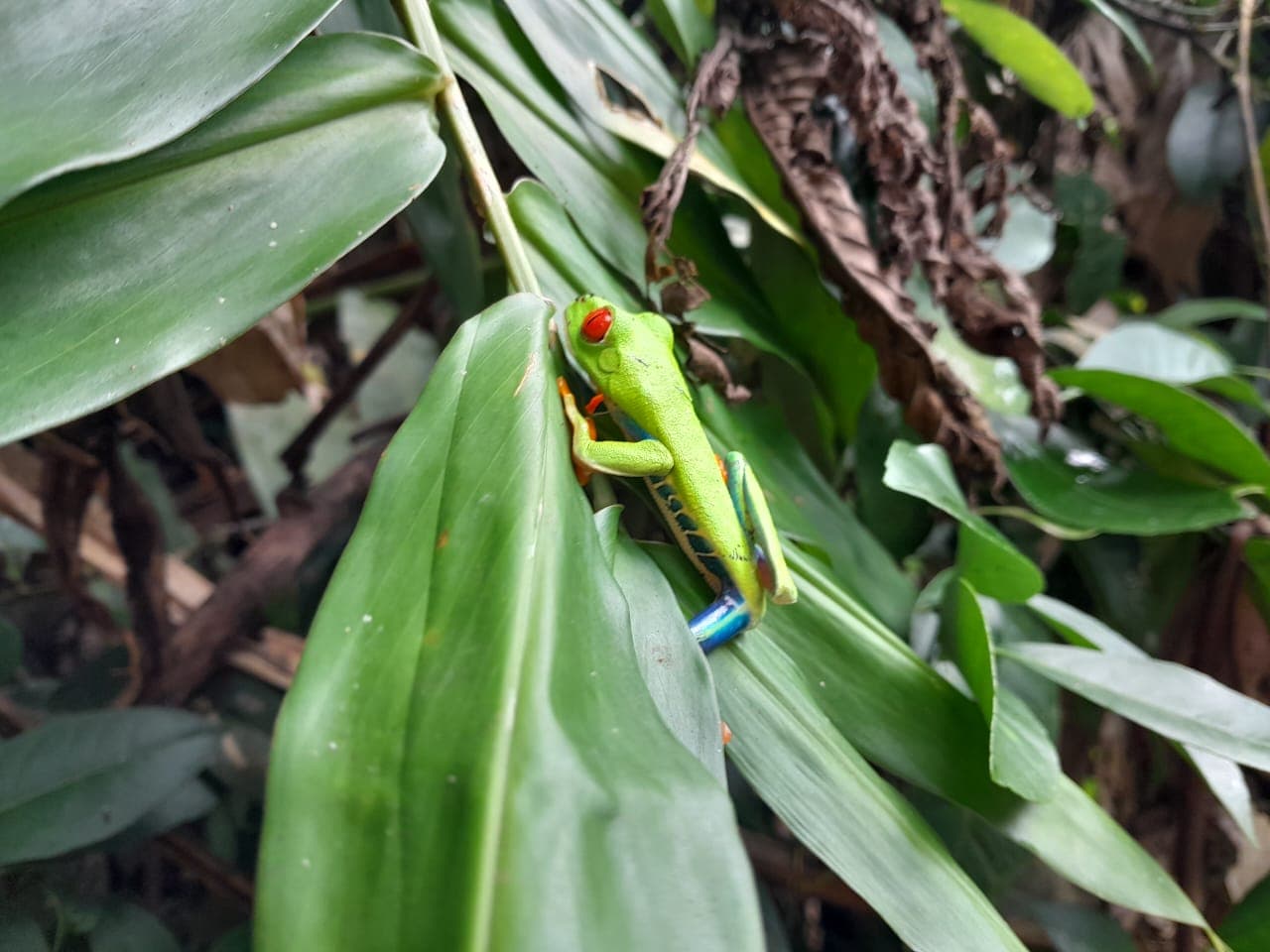
Red-Eyed Tree Frog
Agalychnis callidryas
Agalychnis callidryas, commonly known as the red-eyed tree frog, is a species of tree frog in the subfamily Phyllomedusinae, native to the forests of Central America and northwestern South America. One of the most recognizable frog species in the world, it is known for its vibrant coloration: a bright green body with blue and yellow stripes on the sides, a white underside, bright orange feet, and its namesake stunning red eyes.
Read facts →
 Least Concern
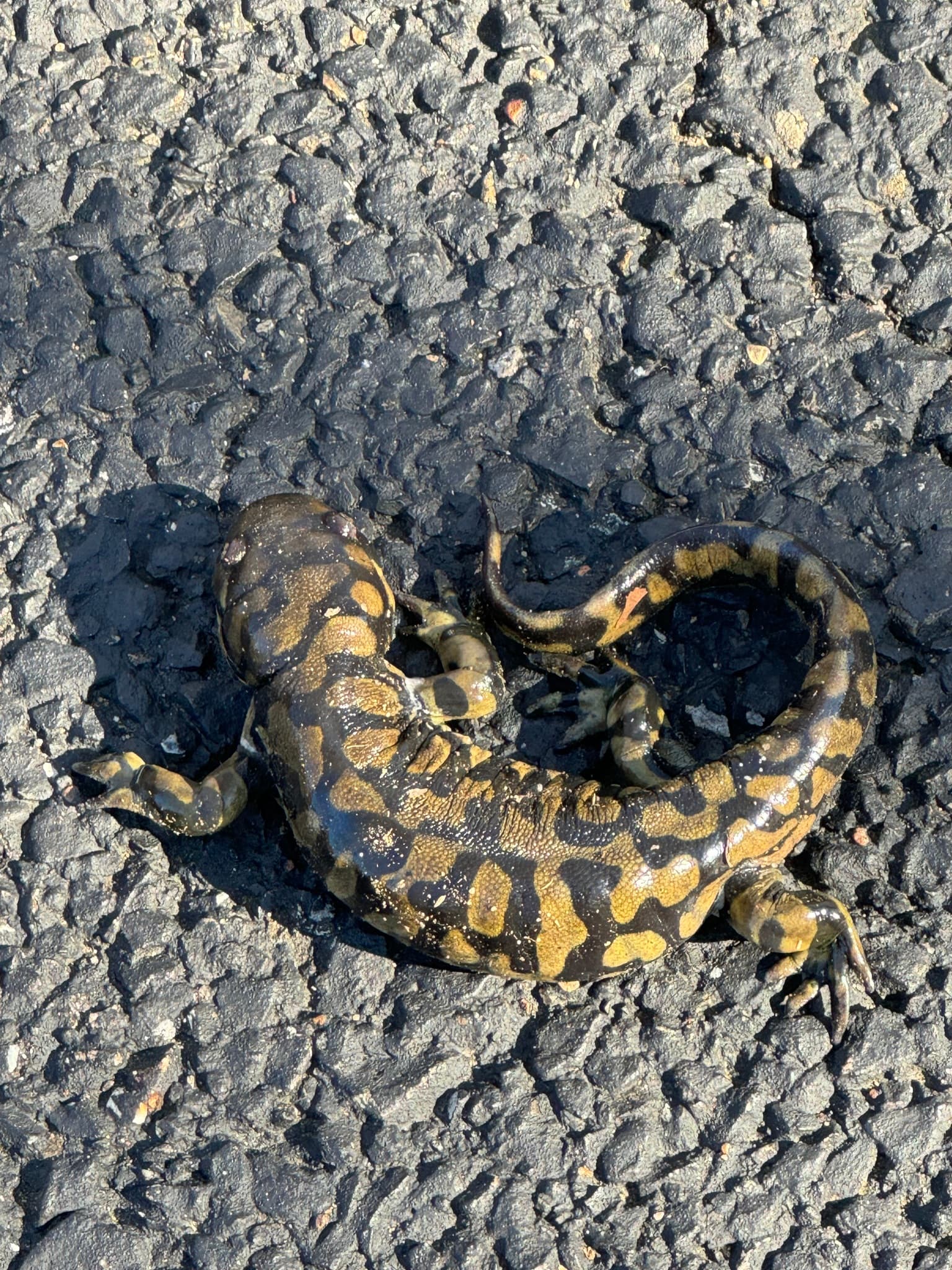
Tiger Salamander
Ambystoma tigrinum
Tiger salamanders spend much of the year underground in burrows, emerging during wet weather to feed and breed. Adults migrate to ponds where aquatic larvae develop before metamorphosis. Some populations include neotenic adults that keep larval traits and remain aquatic.
Read facts →