Browse Animals by Category
Reptile Species
Explore this list of reptile species with photos and facts from the Animal World catalog, including scientific names, habitats, ranges, and conservation status for each animal.
This category hub links to 23 existing reptiles profiles, so you can jump from a photo thumbnail to deeper facts without adding any new species to the database.
Reptiles in Animal World
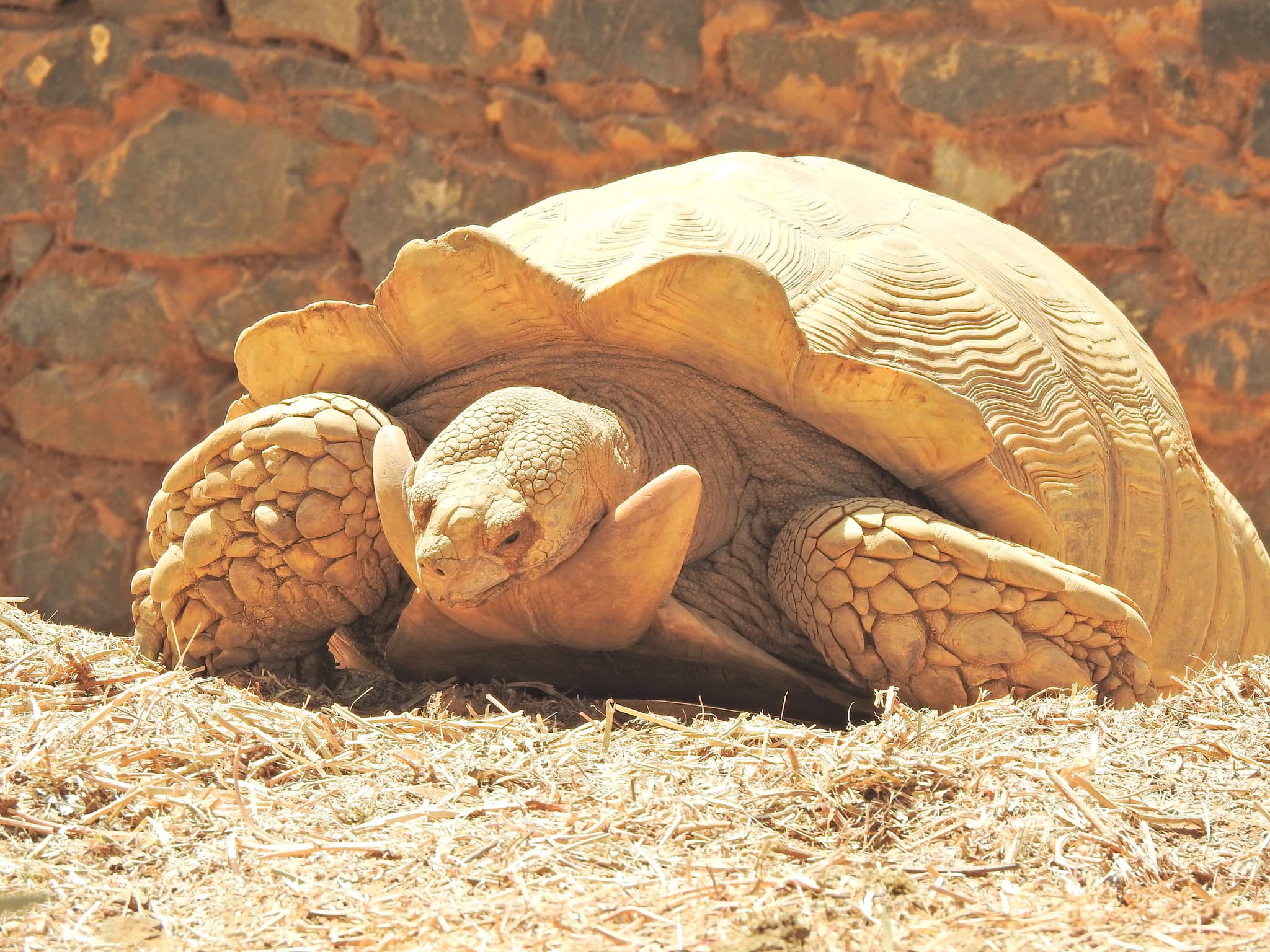 Endangered
African Spurred Tortoise
Centrochelys sulcata
African spurred tortoises are the largest mainland tortoises, using powerful forelimbs to dig sheltering burrows. They graze tough dryland vegetation and survive long periods with limited water. Habitat loss, overcollection, and trade pressure have made wild populations increasingly vulnerable.
Read facts →
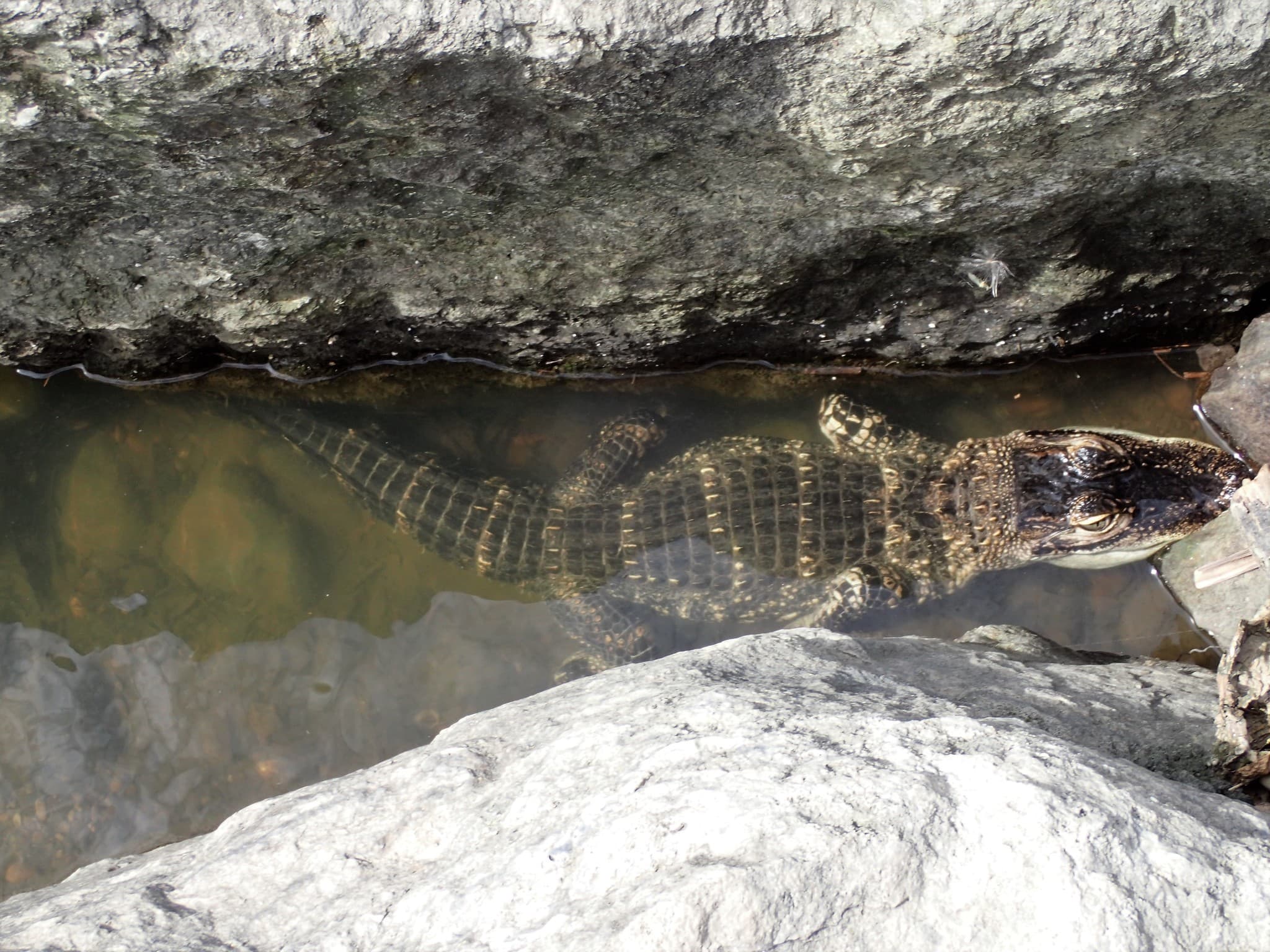 Least Concern
American Alligator
Alligator mississippiensis
The American alligator is a large crocodilian that shapes wetlands by digging gator holes used by many other animals during drought. Once heavily depleted, it recovered through legal protection and habitat management. Mothers guard nests and young, making alligators unusually attentive among reptiles.
Read facts →
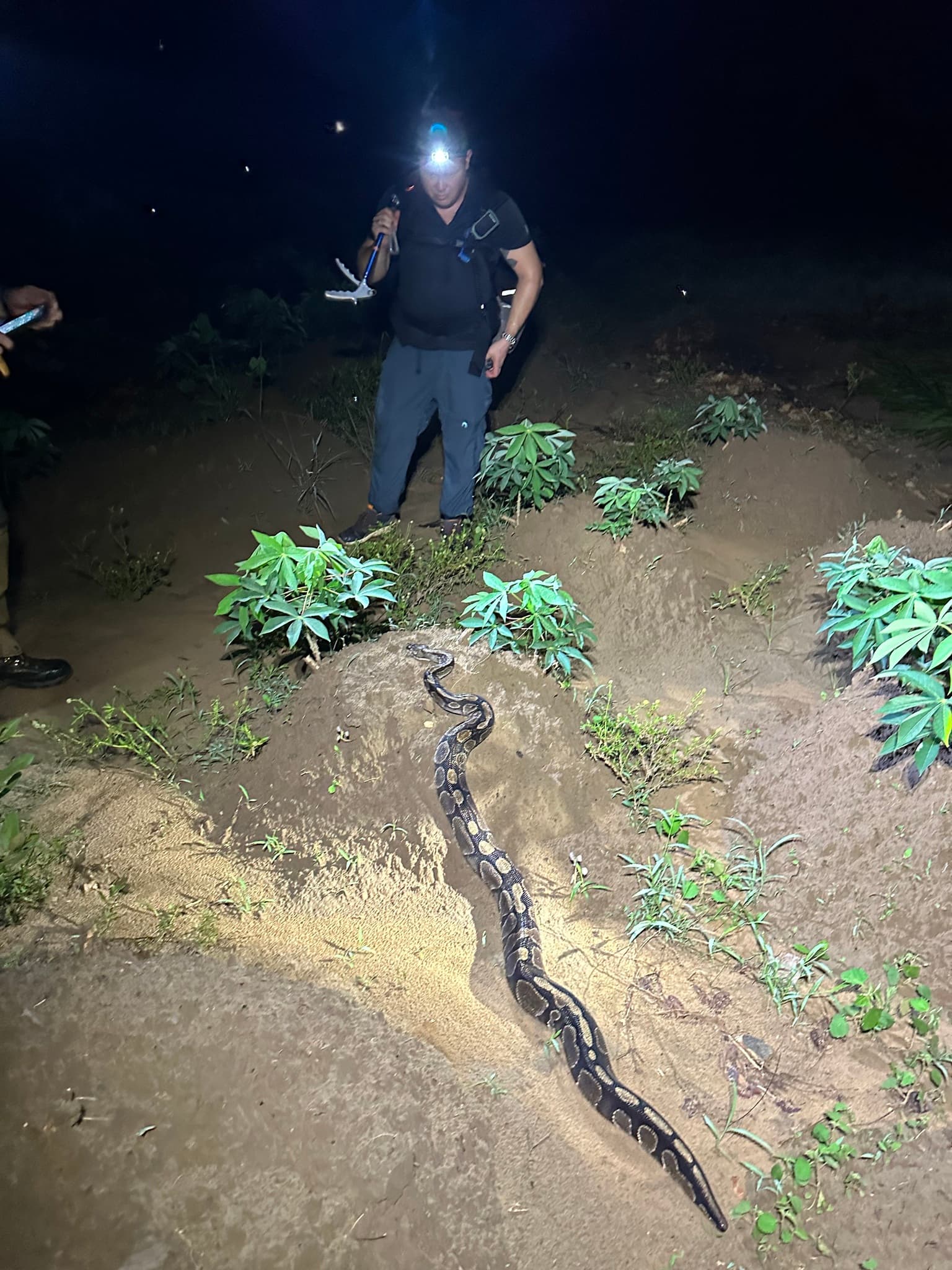 Near Threatened
Ball Python
Python regius
Ball pythons are nonvenomous constrictors named for their habit of curling tightly with the head protected when threatened. They shelter in mammal burrows and hunt mostly at night. Collection for the pet trade and habitat pressure require careful monitoring and sustainable management.
Read facts →
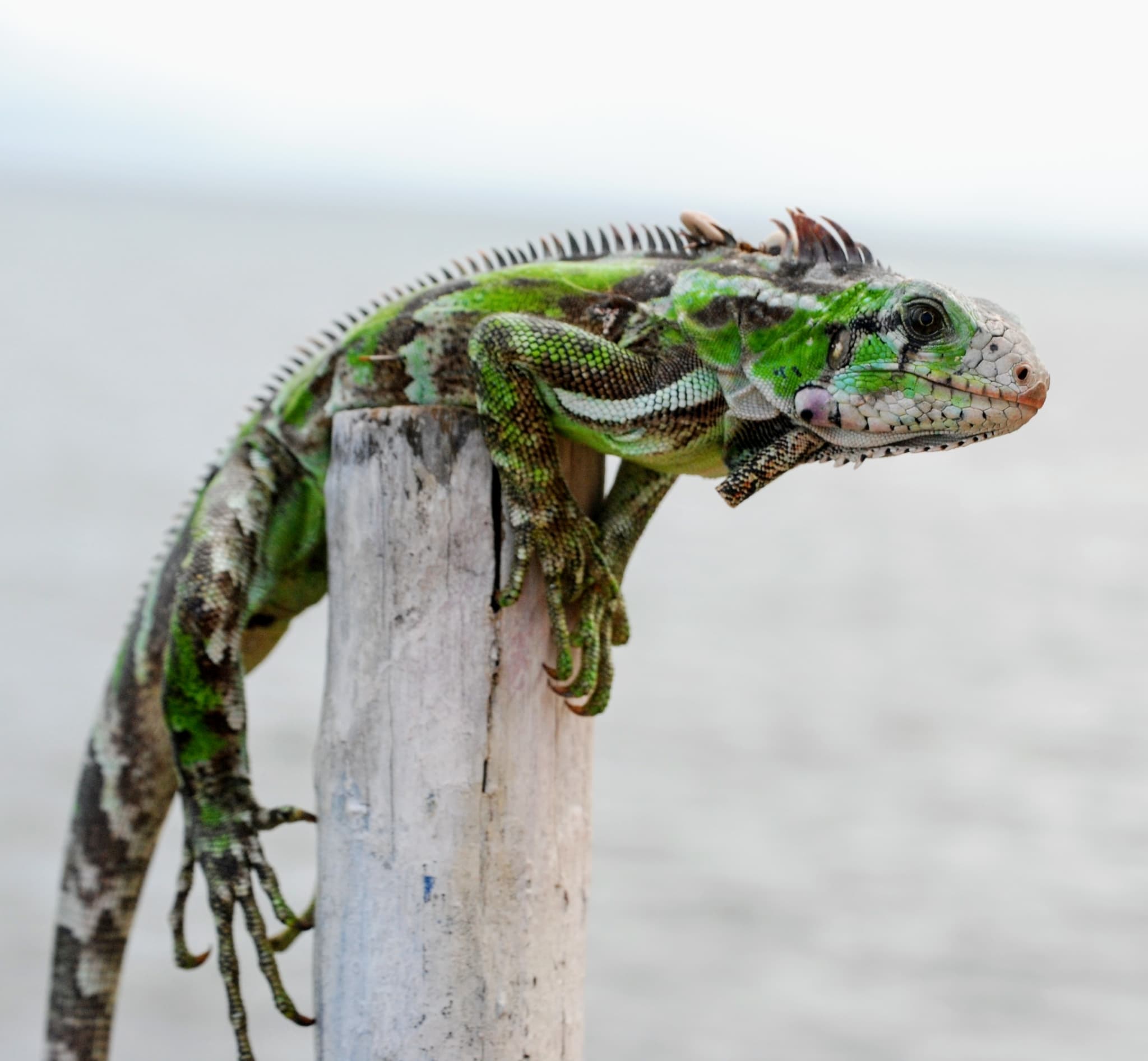 Least Concern
Common Iguana
Iguana iguana
Common iguanas are strong-climbing lizards that bask in trees and often drop into water to escape predators. Their crests, dewlaps, and tail whips are used in display and defense. Although common in parts of their range, introduced populations can damage native vegetation and compete with local wildlife.
Read facts →
 Least Concern
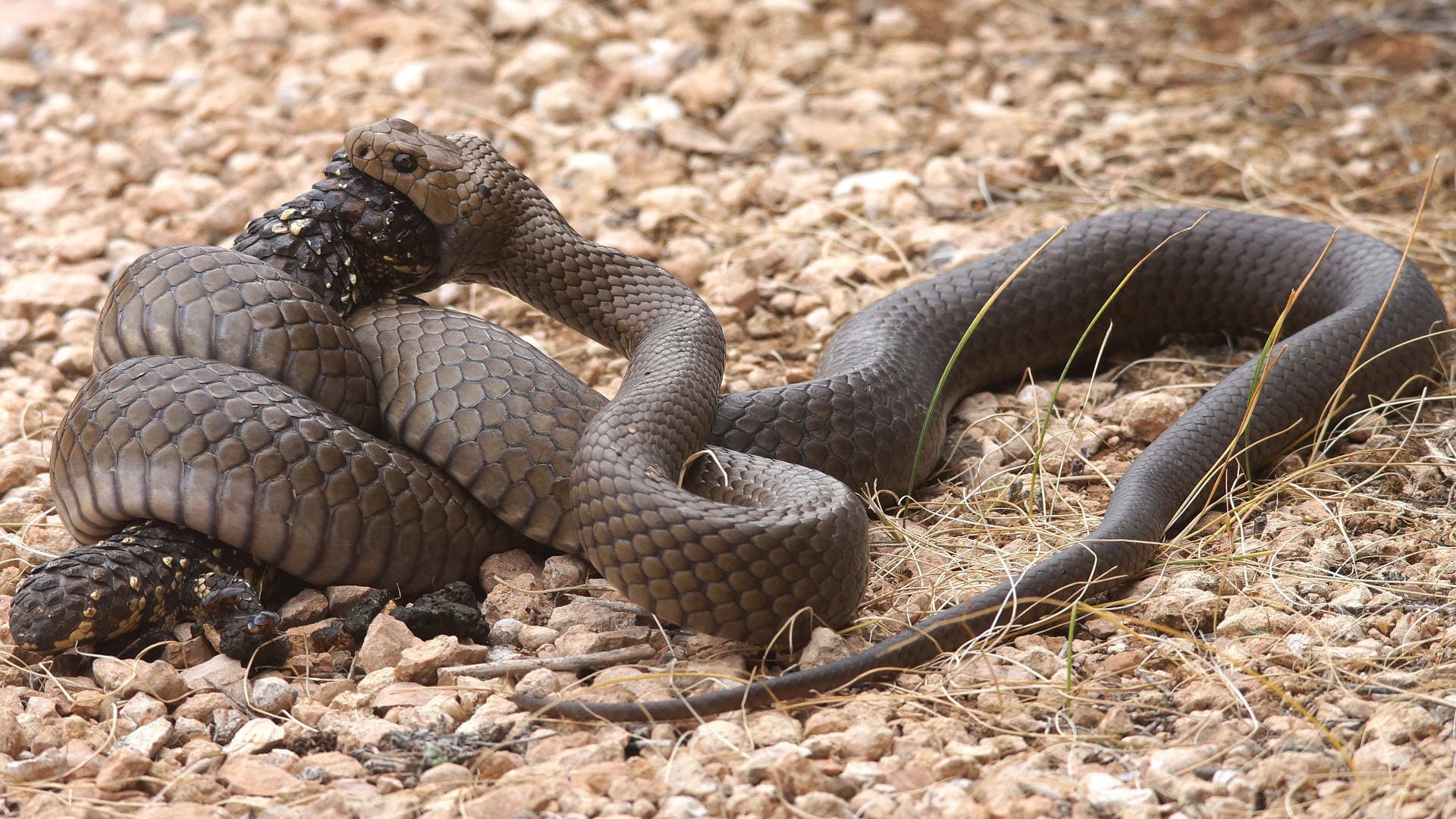
Eastern Brown Snake
Pseudonaja textilis
Eastern brown snakes are active, alert elapids that hunt by day in open habitats. Their venom is highly potent, but bites are usually associated with close encounters or attempts to handle the snake. Rodent-rich farmland and suburbs can attract them, making education and avoidance important.
Read facts →
 Least Concern
Eastern Diamondback Rattlesnake
Crotalus adamanteus
The eastern diamondback is North America's largest rattlesnake and among the heaviest venomous snakes in the world. Its rattle is a warning, not aggression, and it freezes rather than flees, relying on diamond-backed camouflage. Longleaf pine habitat has shrunk by over 95 percent, so this snake is declining across much of its range, and the gopher tortoise burrows it shelters in are themselves threatened.
Read facts →
 Least Concern
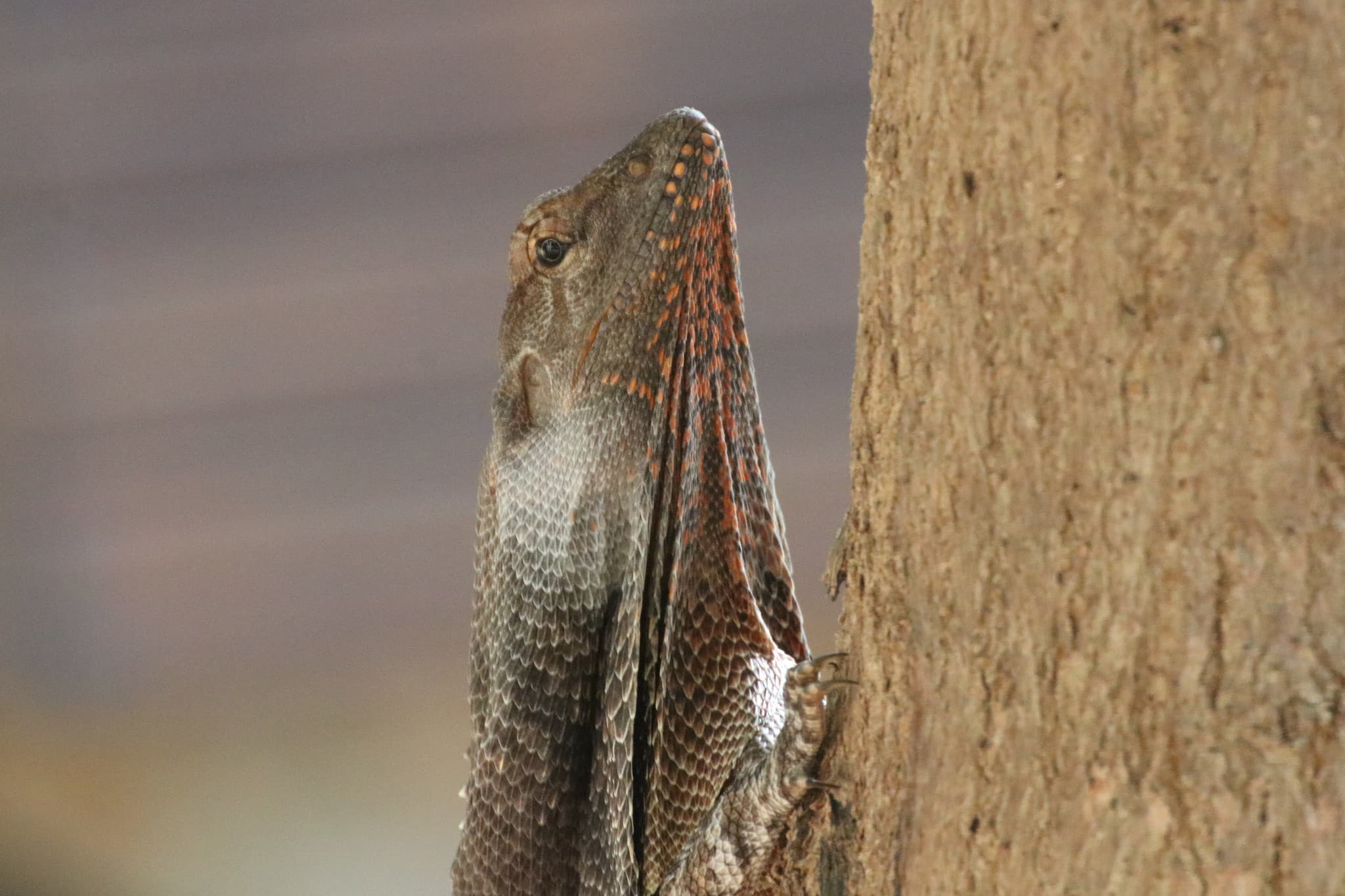
Frilled Lizard
Chlamydosaurus kingii
Frilled lizards spend much of their time on tree trunks and branches, descending to feed and bask. When threatened, they can flare a large colorful neck frill, gape, hiss, and run upright on the hind legs. Their display makes them one of Australia’s most recognizable reptiles.
Read facts →
 Vulnerable
Galápagos Tortoise
Chelonoidis niger
The Galápagos tortoise, also called the Galápagos giant tortoise, is a very large species of tortoise in the genus Chelonoidis. The species comprises 15 subspecies.
Read facts →
 Critically Endangered
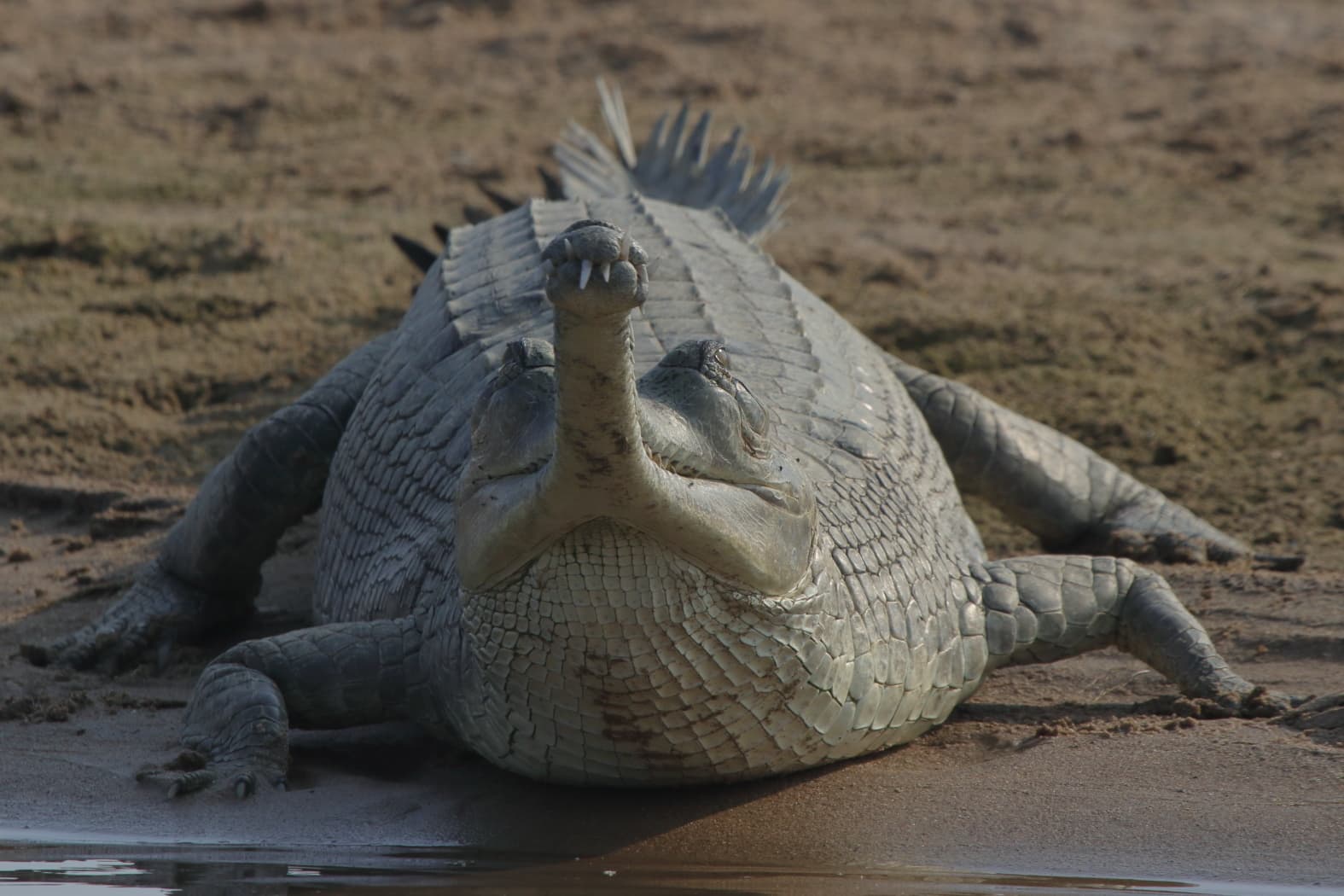
Gharial
Gavialis gangeticus
The gharial is a long-snouted crocodilian specialized for catching fish in large rivers. Adult males develop a bulbous growth on the snout tip called a ghara, used in display and sound production. Dams, fishing nets, sand mining, and river pollution have left only fragmented breeding populations.
Read facts →
 Least Concern
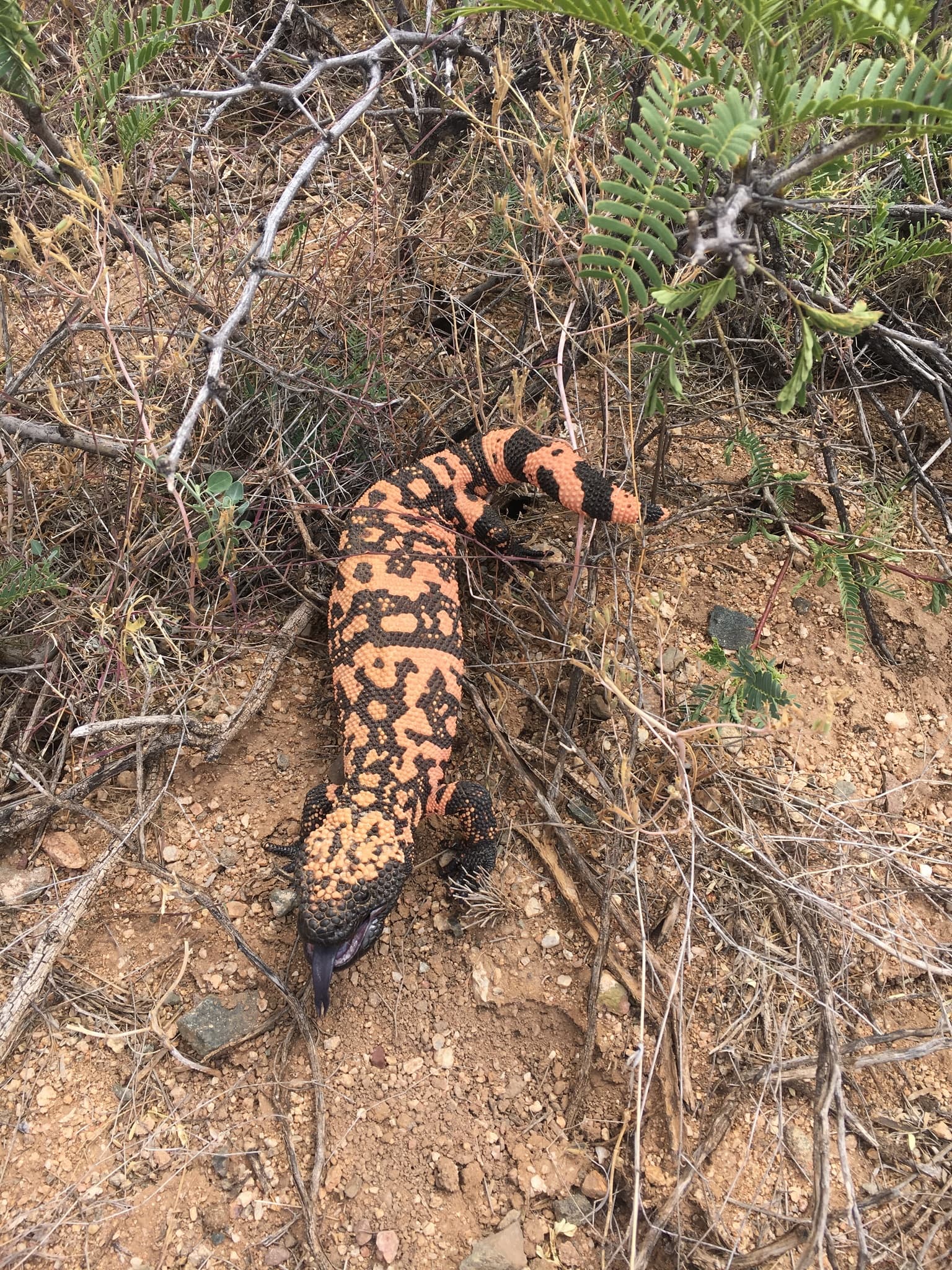
Gila Monster
Heloderma suspectum
The Gila monster is one of the few venomous lizards, with grooved teeth that deliver venom during a firm bite. It spends much of the year underground and stores fat in its thick tail. Despite its fearsome reputation, it is slow-moving and primarily threatened by habitat loss and illegal collection.
Read facts →
 Least Concern
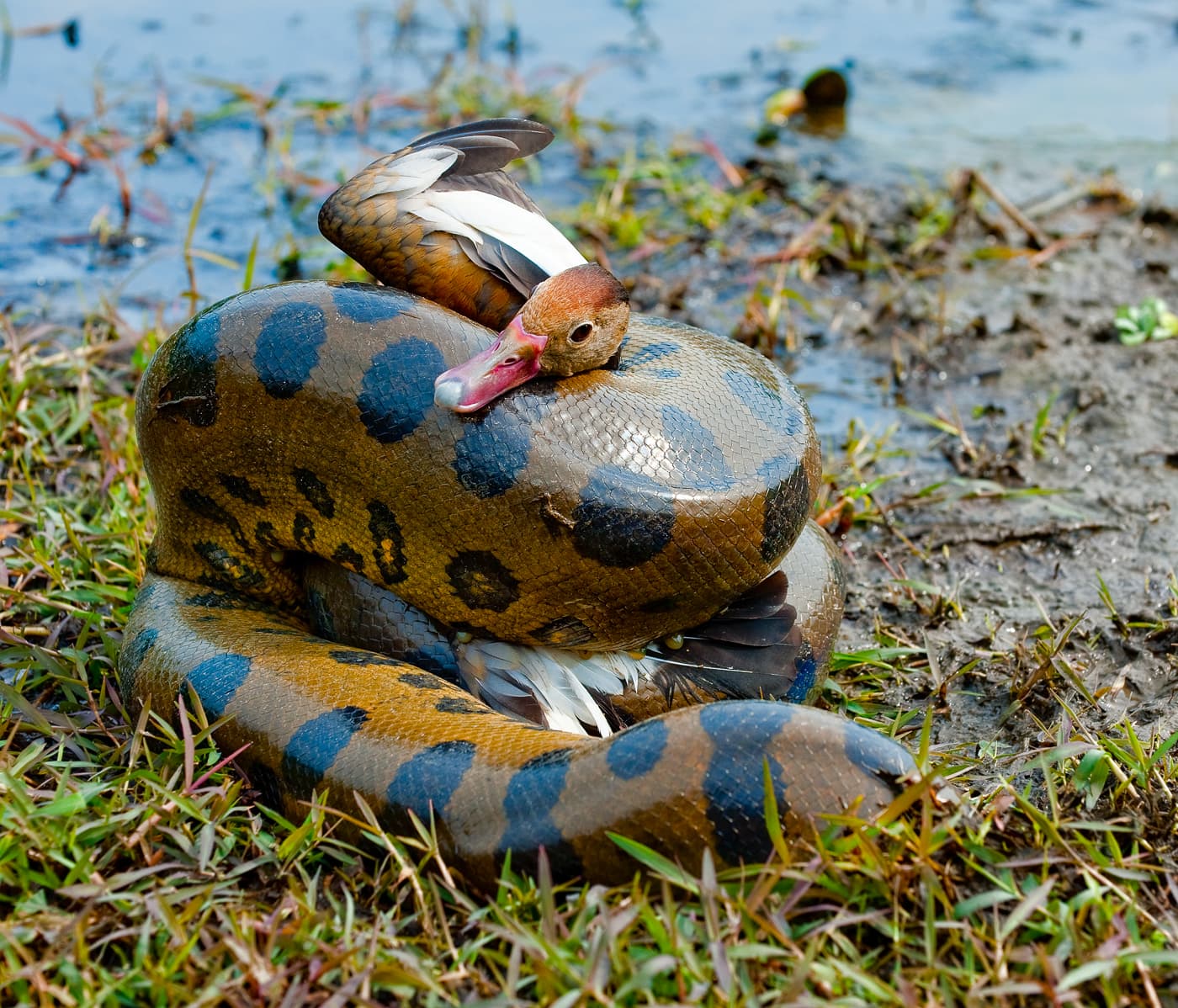
Green Anaconda
Eunectes murinus
Green anacondas are among the heaviest snakes, using water for buoyancy and ambush hunting. They seize prey with powerful jaws and coils rather than venom. Females are much larger than males and give birth to live young after mating aggregations in wetland habitats.
Read facts →
 Endangered
Green Sea Turtle
Chelonia mydas
The green sea turtle, also known as the green turtle, black sea turtle, and Pacific green turtle, is a species of large sea turtle of the family Cheloniidae. It is the only species in the genus Chelonia.
Read facts →
 Vulnerable
King Cobra
Ophiophagus hannah
The king cobra is a species complex of snakes endemic to Asia. With an average length of 3. 18 to 4 m and a record length of 5. 85 m (19.
Read facts →
 Endangered
Komodo Dragon
Varanus komodoensis
The Komodo dragon, also known as the Komodo monitor, is a large reptile of the monitor lizard family Varanidae that is endemic to the Indonesian islands of Komodo, Rinca, Flores, Gili Dasami, and Gili Motang. The largest extant population lives within the Komodo National Park in Eastern Indonesia.
Read facts →
 Vulnerable
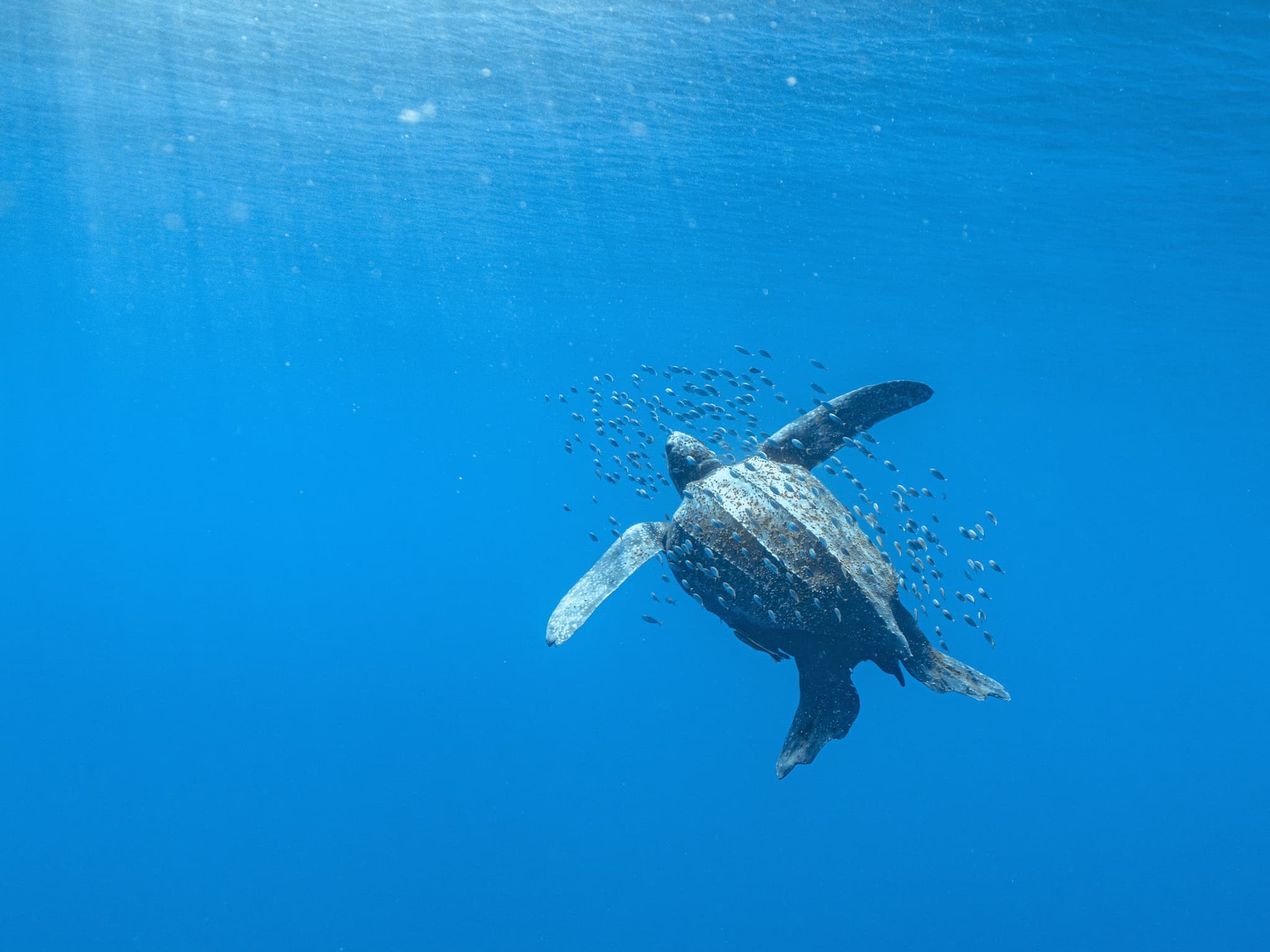
Leatherback Sea Turtle
Dermochelys coriacea
Leatherback sea turtles are the largest living turtles and lack the hard bony shell plates of other sea turtles. They migrate thousands of kilometers and can tolerate cold waters while feeding on jellyfish. Egg harvest, bycatch, plastic ingestion, coastal development, and climate-driven nest temperatures threaten populations.
Read facts →
 Vulnerable
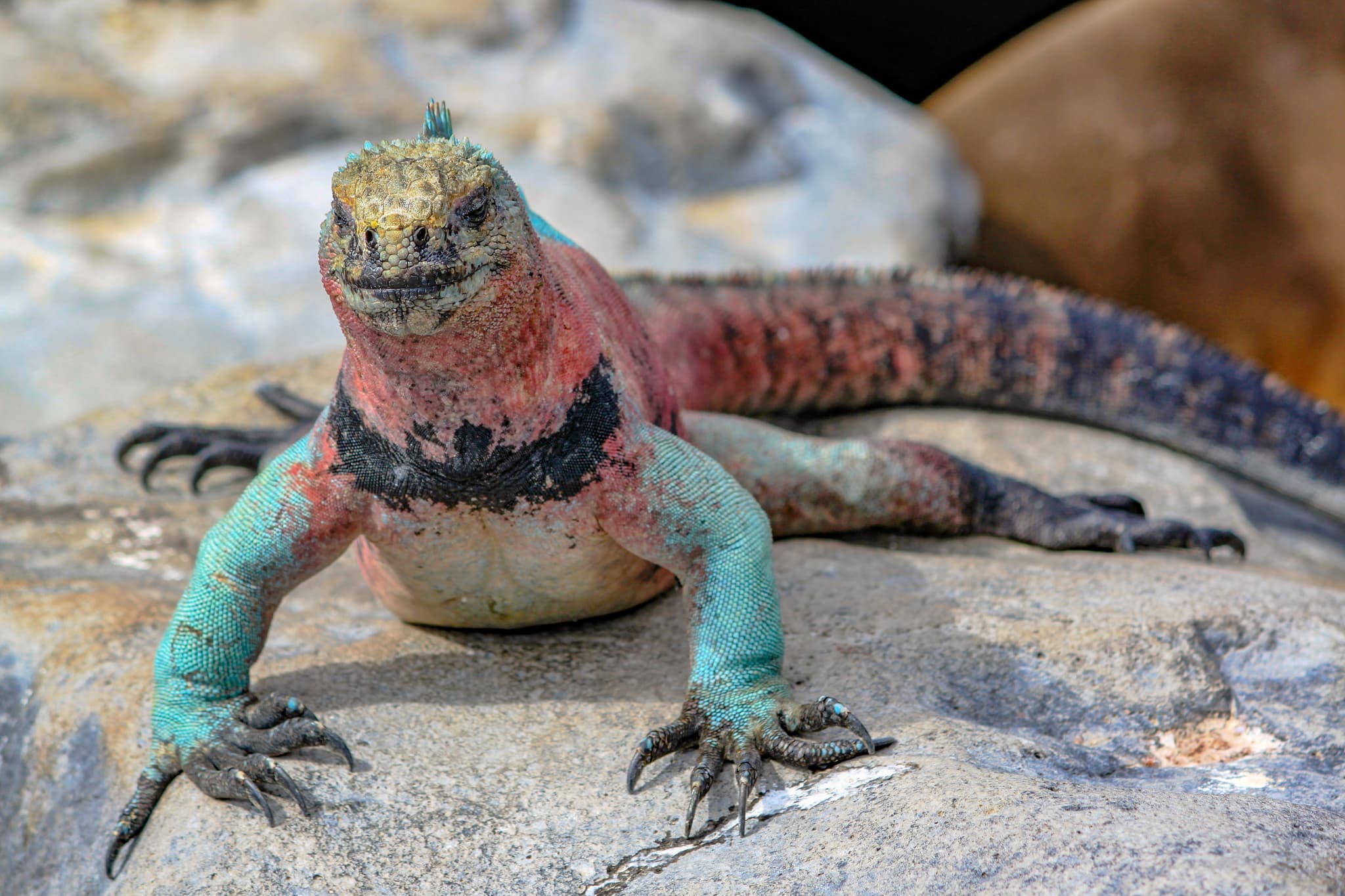
Marine Iguana
Amblyrhynchus cristatus
The marine iguana is the only modern lizard that regularly forages in the sea. It dives or grazes in the intertidal zone for algae, then basks on dark lava rocks to warm up. Specialized glands sneeze excess salt from its bloodstream, leaving white salt crusts on the head.
Read facts →
 Least Concern
Matamata Turtle
Chelus fimbriata
The matamata turtle looks like a piece of dead leaf and mud, with a rough shell, a tubular snout, and skin flaps that camouflage it among streambed debris. It walks along the bottom rather than swimming and catches fish by lunging its jaws open so fast that prey is sucked in with the water. Little is known about its breeding, but captive animals have lived to 40, and habitat loss and collection for the pet trade are its main pressures.
Read facts →
 Least Concern
Nile Crocodile
Crocodylus niloticus
The Nile crocodile is a large crocodilian native to freshwater habitats in Africa, where it is present in 26 countries. It is widely distributed in sub-Saharan Africa, occurring mostly in the eastern, southern, and central regions of the continent, and lives in different types of aquatic environments such as lakes, rivers, swamps and marshlands. It occasionally inhabits deltas, brackish lakes and rarely also saltwater.
Read facts →
 Least Concern
Panther Chameleon
Furcifer pardalis
The panther chameleon is a species of chameleon found in the eastern and northern parts of Madagascar in a tropical forest biome.
Read facts →
 Least Concern
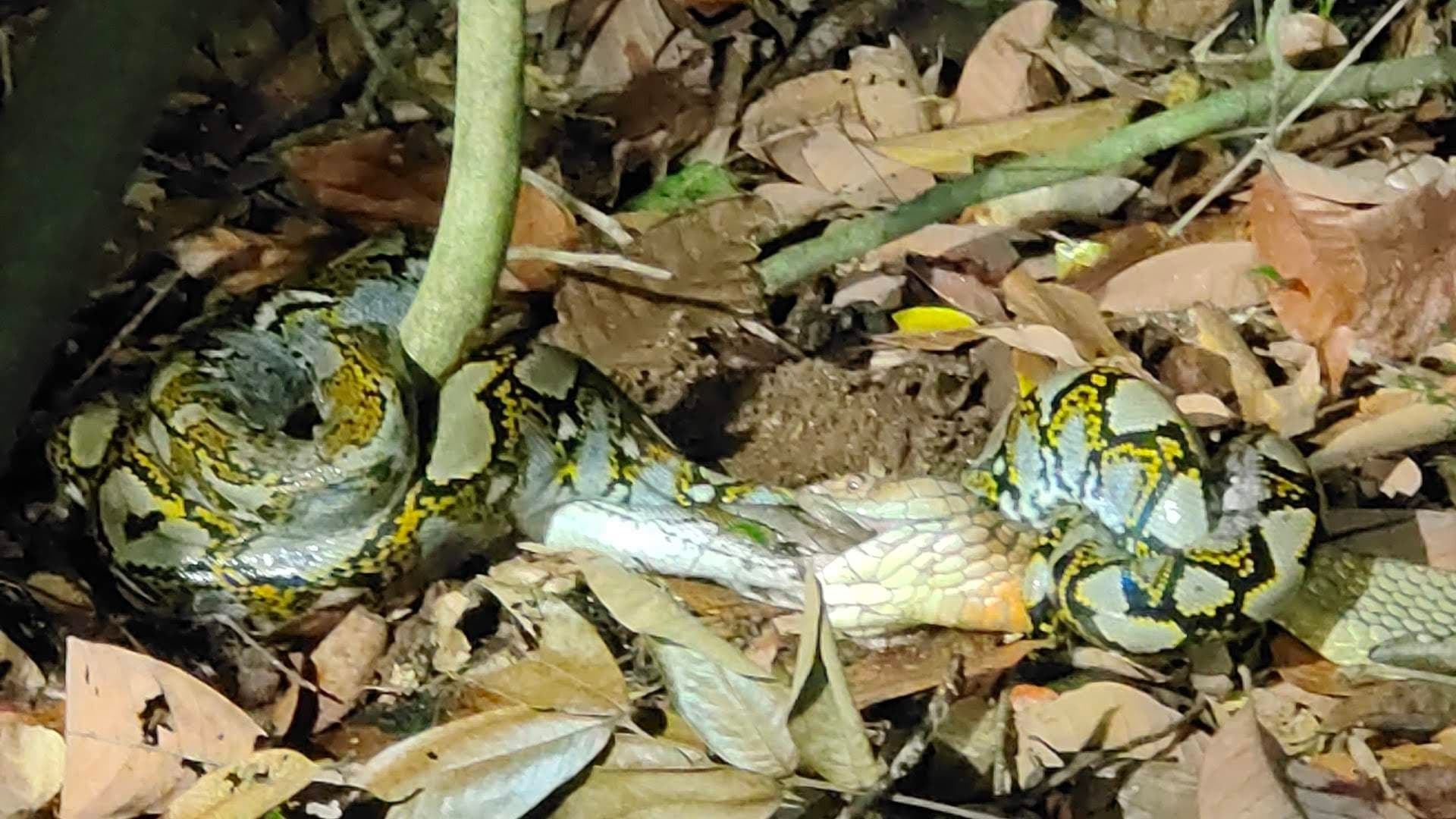
Reticulated Python
Malayopython reticulatus
The reticulated python is a huge nonvenomous constrictor named for its netlike color pattern. It is an excellent swimmer and can live in forests, wetlands, and human-modified landscapes. Like other pythons, it subdues prey by constriction and lays eggs guarded by the female.
Read facts →
 Least Concern
Saltwater Crocodile
Crocodylus porosus
The saltwater crocodile is a crocodilian native to saltwater habitats, brackish wetlands and freshwater rivers from India's east coast across Southeast Asia and the Sundaland to northern Australia and Micronesia. It has been listed as Least Concern on the IUCN Red List since 1996.
Read facts →
 Least Concern
Texas Horned Lizard
Phrynosoma cornutum
The Texas horned lizard is a squat, spiky lizard that feeds almost exclusively on harvester ants and can squirt blood from its eyes as a last-resort defence against canids. It buries itself in loose sand to ambush prey and to escape heat. Pesticides and invasive fire ants displaced the native ants it needs, and populations have vanished from much of the eastern part of its range, making it a symbol of Texas conservation concern.
Read facts →
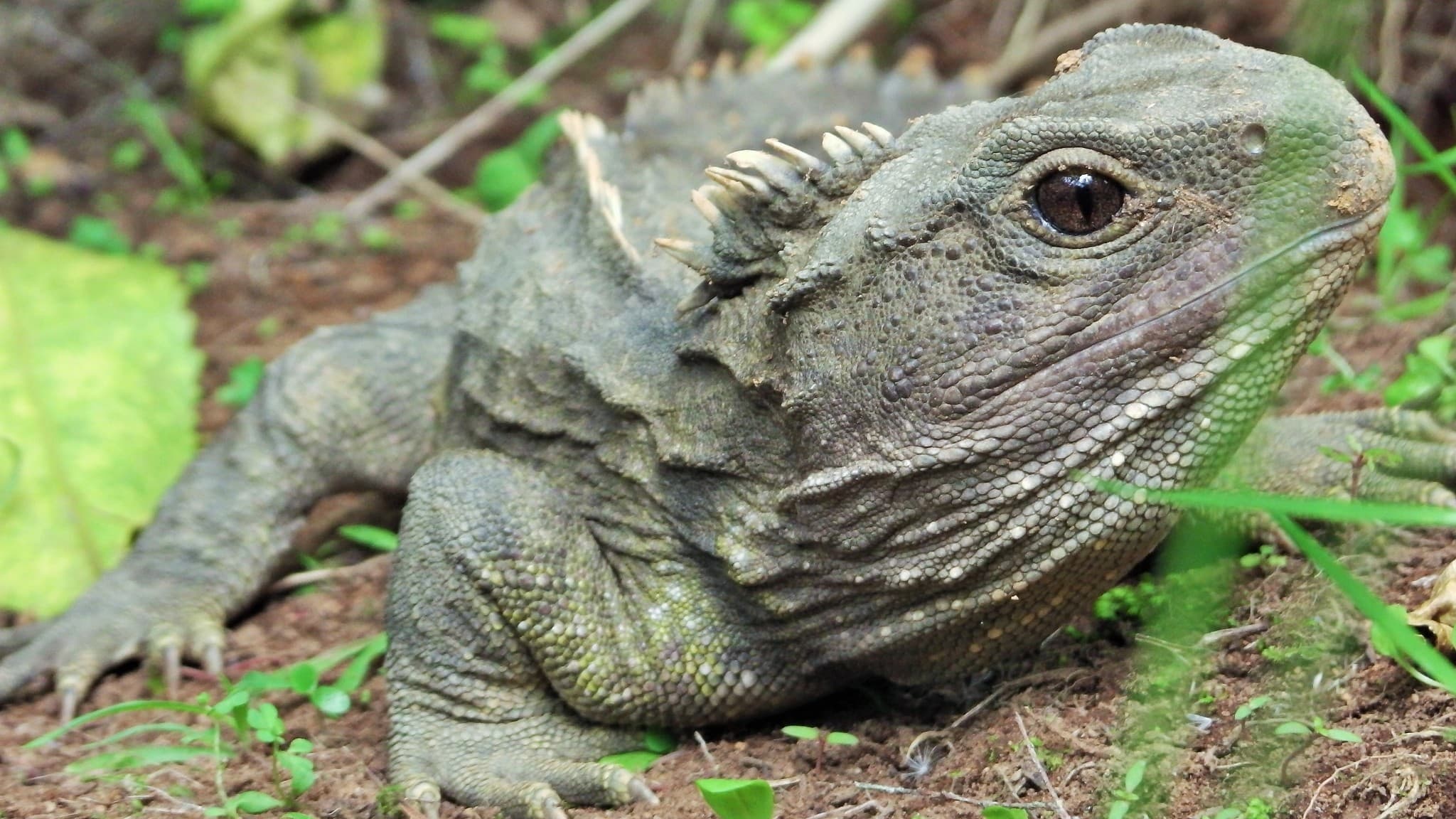 Least Concern
Tuatara
Sphenodon punctatus
Tuatara are the only surviving members of an ancient reptile order that once lived alongside dinosaurs. They grow slowly, mature late, and can live for many decades. Conservation translocations and invasive predator control have helped secure populations after losses from rats and habitat change.
Read facts →