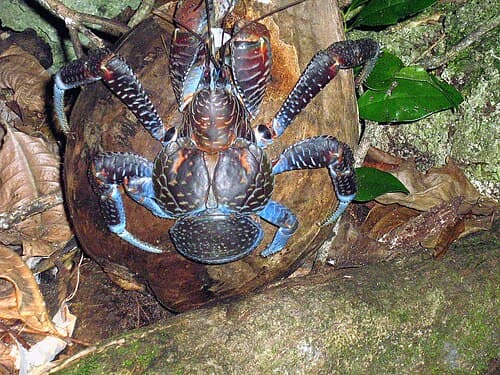
📷 Rhododendrites · CC BY-SA 4.0

📷 Rhododendrites

📷 Kaldari
IUCN: Vulnerable
Atlantic Horseshoe Crab
Limulus polyphemus
KingdomAnimalia›PhylumChordata›ClassMerostomata›OrderXiphosura›FamilyLimulidae›GenusLimulus
About
Horseshoe crabs are not crabs at all — they are more closely related to spiders and scorpions, and they have remained essentially unchanged for hundreds of millions of years, long before dinosaurs appeared. Each spring, huge numbers crawl onto beaches at high tide to spawn, and their blue blood (it uses copper rather than iron to carry oxygen) contains a clotting agent used worldwide to test medical equipment for bacterial contamination. The long, stiff tail is not a weapon; it is a lever to flip themselves upright if a wave turns them over.
Key Facts
⛰Habitat Shallow coastal waters and muddy or sandy bays along the U.S. Atlantic coast
🍃Diet Clams, mussels, worms, and other invertebrates found in sediment
📏Size & Weight Shell about 30–60 cm across including tail
•Weight About 2–4.5 kg
⏳Lifespan About 20–30 years
🗺Range Atlantic coast of North America, from Maine to Mexico’s Yucatán
InvertebrateCrab
Key Facts
⛰Habitat Shallow coastal waters and muddy or sandy bays along the U.S. Atlantic coast
🍃Diet Clams, mussels, worms, and other invertebrates found in sediment
📏Size & Weight Shell about 30–60 cm across including tail
•Weight About 2–4.5 kg
⏳Lifespan About 20–30 years
🗺Range Atlantic coast of North America, from Maine to Mexico’s Yucatán
Photo Credits
#1Rhododendrites · CC BY-SA 4.0
#2Rhododendrites · CC BY-SA 4.0
#3Kaldari · CC0
Related Species