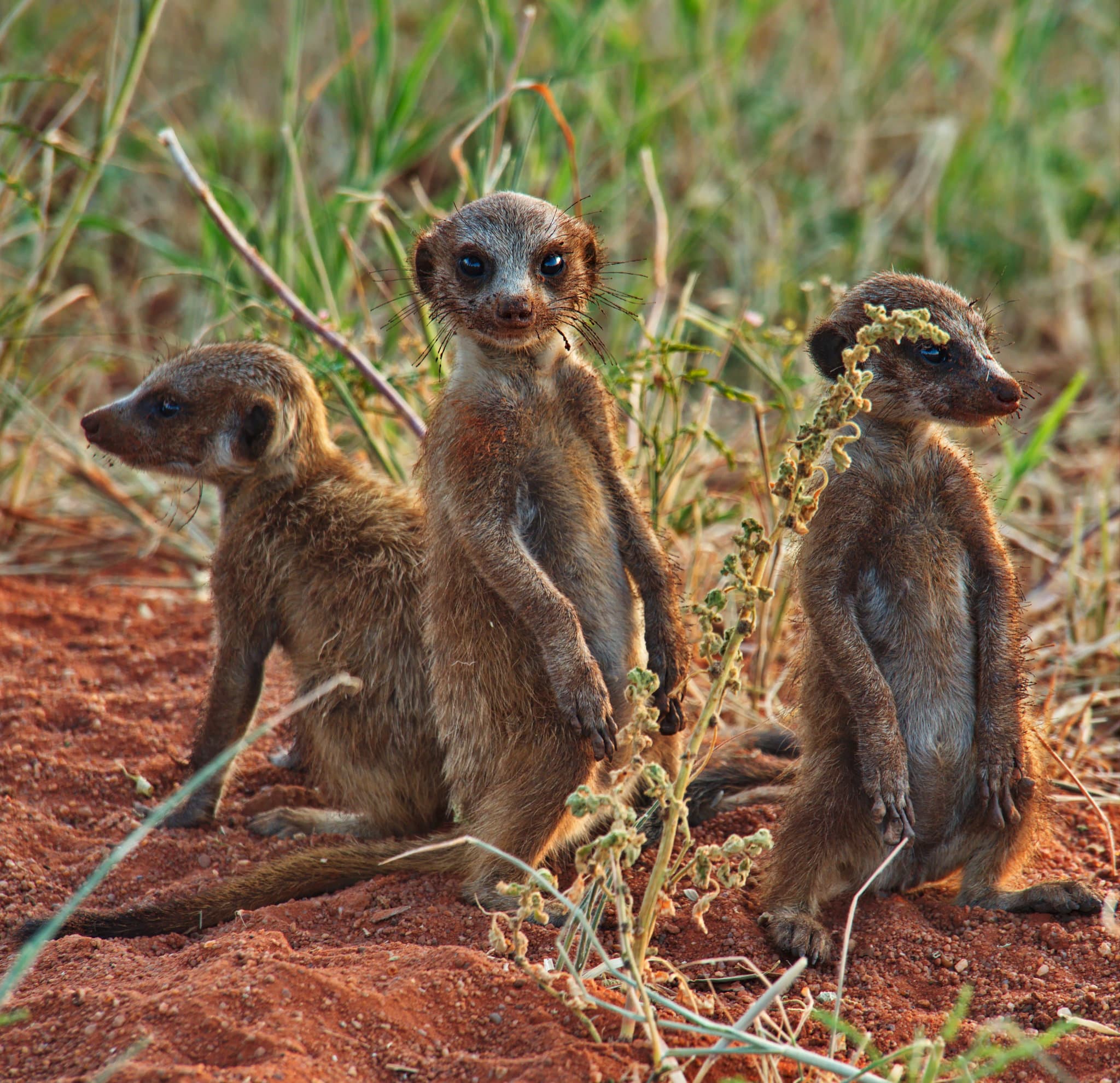
📷 Acroterion · CC BY-SA 4.0

📷 Cephas

📷 Luis Miguel Bugallo Sánchez (Lmbuga)
IUCN: Least Concern
Black-Tailed Prairie Dog
Cynomys ludovicianus
KingdomAnimalia›PhylumChordata›ClassMammalia›OrderRodentia›FamilySciuridae›GenusCynomys
About
Prairie dogs are not dogs at all but burrowing squirrels, named for the sharp bark of their alarm call. A single colony, or town, can cover hundreds of hectares and house thousands of animals in burrows with separate sleeping chambers, listening posts, and flood-proof plugs.
Their digging reshapes whole prairies: aerated soil grows deeper grasses, and bison, pronghorn, ferrets, burrowing owls, and hundreds of other species depend on their towns. That keystone role makes the prairie dog one of the most consequential small mammals in North America.
Key Facts
⛰Habitat Shortgrass prairies and plains, in extensive burrow towns
🍃Diet Grasses, forbs, and seeds
📏Size & Weight Body 28–33 cm; tail 5–9 cm
•Weight 0.6–1.3 kg
⏳Lifespan 3–5 years wild; up to 8 in care
🗺Range Great Plains of the United States and northern Mexico
MammalRodent
Key Facts
⛰Habitat Shortgrass prairies and plains, in extensive burrow towns
🍃Diet Grasses, forbs, and seeds
📏Size & Weight Body 28–33 cm; tail 5–9 cm
•Weight 0.6–1.3 kg
⏳Lifespan 3–5 years wild; up to 8 in care
🗺Range Great Plains of the United States and northern Mexico
Photo Credits
#1Acroterion · CC BY-SA 4.0
#2Cephas · CC BY-SA 4.0
#3Luis Miguel Bugallo Sánchez (Lmbuga) · CC BY-SA 3.0
Related Species