Wildlife listicle
The Rarest Animals on Earth: 11 Species at the Brink
These eleven animals are the ones our catalog marks Critically Endangered — the highest risk category before extinction. Each pick links to a full species page with three real photographs, taxonomy, habitat, diet, and range.
Featured first
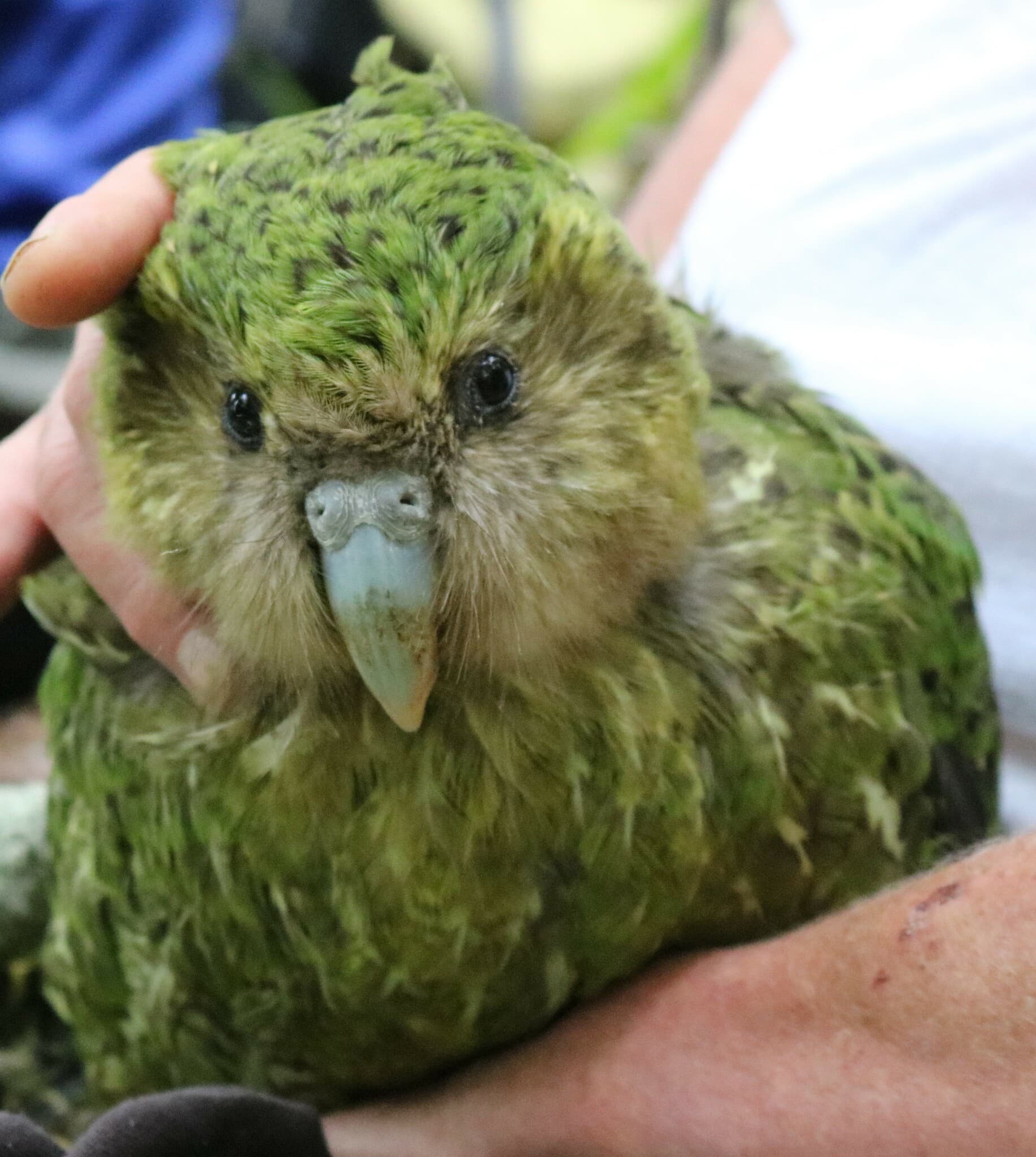
Kakapo
“Critically Endangered” is the category the IUCN Red List gives a species when the best evidence says it faces an extremely high risk of extinction in the wild. It sits one step above “Endangered” and one below “Extinct in the Wild.” The reasons these eleven animals arrived here rhyme with each other — habitat loss, hunting, fishing, invasive predators — but the stories of how they hold on are all different. This guide covers every Critically Endangered species in Animal World's catalog today; the catalog also lists dozens more Endangered and Vulnerable animals on each species page.
01A flightless parrot kept alive on predator-free islands
Kakapo
Strigops habroptilus
The kākāpō is a heavy, nocturnal, flightless parrot found only in New Zealand, and predation by introduced cats and stoats pushed it to the edge. Today every surviving bird lives on managed, predator-free islands and carries its own name and health record — one of the most closely monitored rescue programs in the world.
Read the Kakapo species page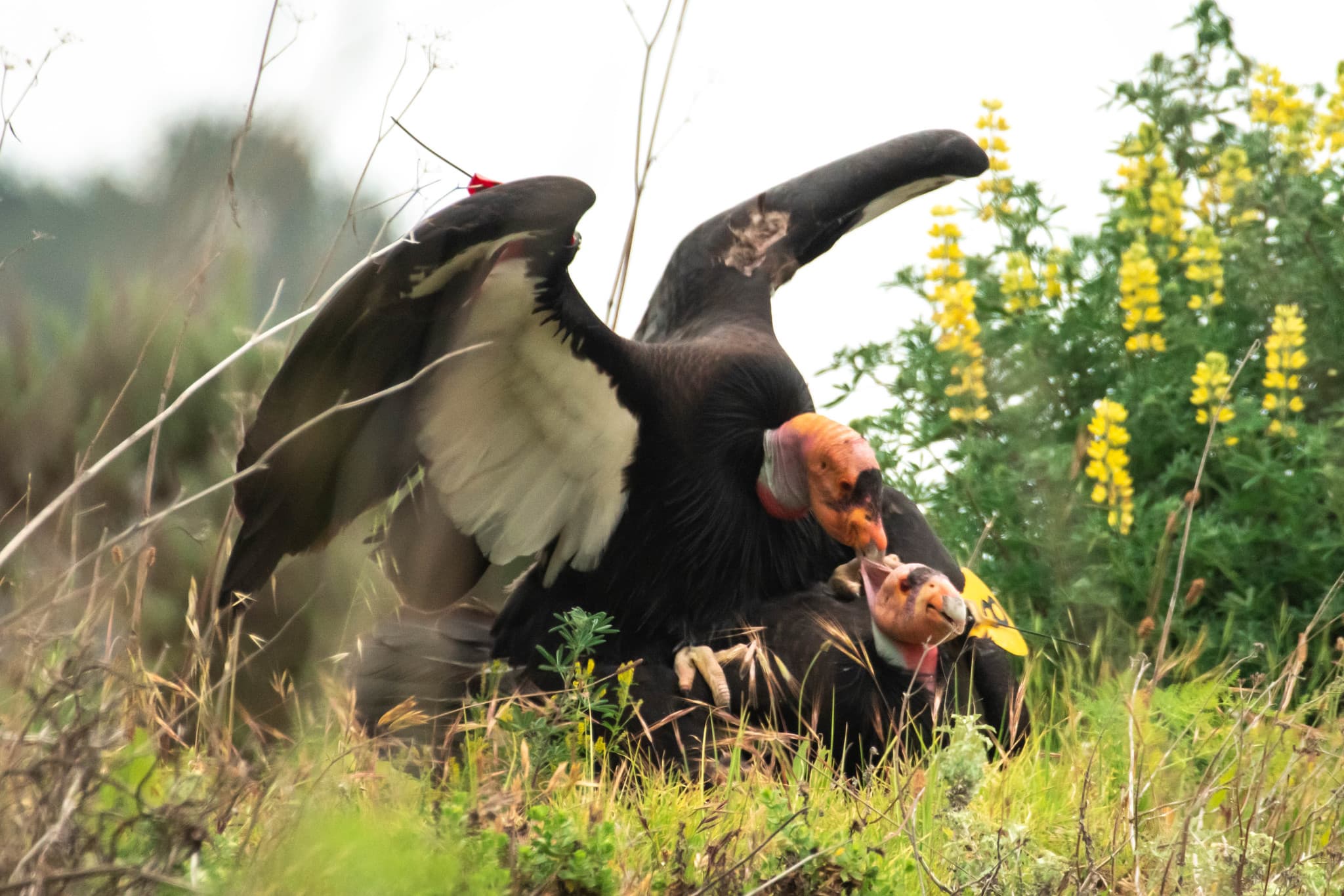 02
02Saved from a handful of birds, still fighting lead poisoning
California Condor
Gymnogyps californianus
In the 1980s the last wild California condors were brought indoors for a captive-breeding program when only a handful remained. Reintroduced birds now soar over canyons and coastal ranges of the western United States and Baja California on wings up to 3 m wide. Lead poisoning from ammunition fragments in carcasses remains the biggest threat to their recovery.
Read the California Condor species page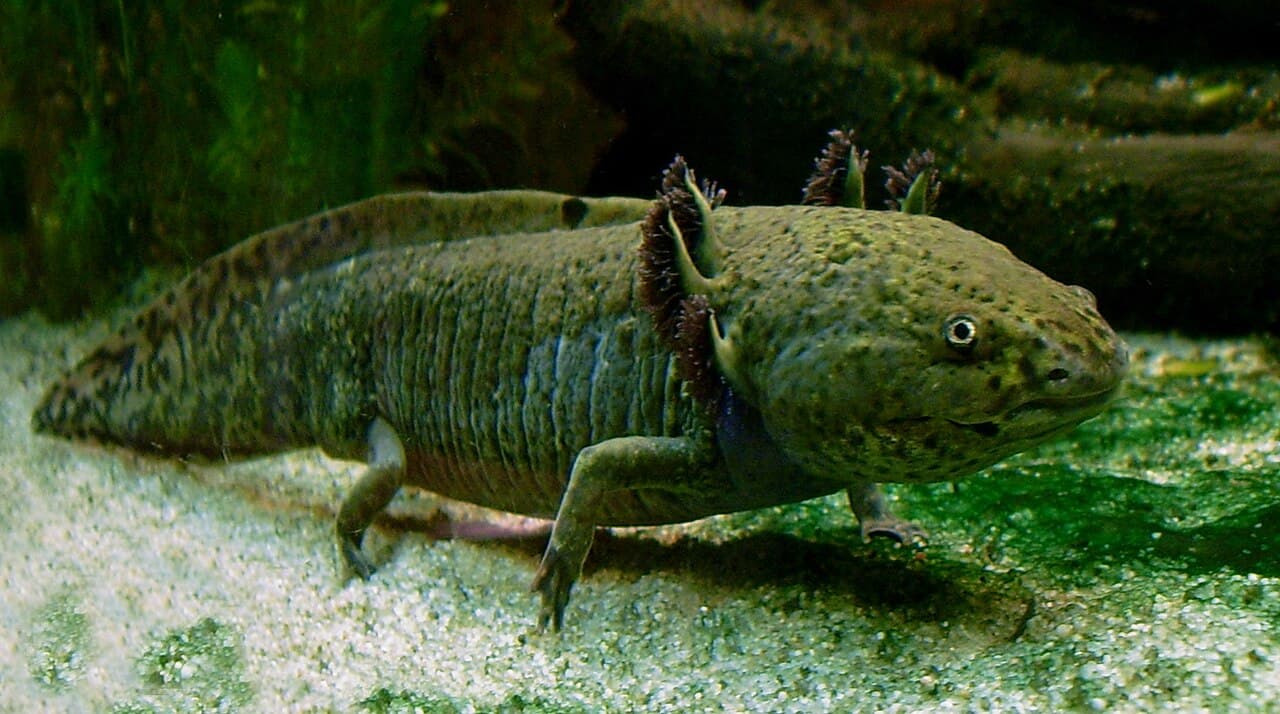 03
03A salamander that exists in one lake system
Axolotl
Ambystoma mexicanum
Wild axolotls live in a single place: the canal system of Lake Xochimilco, near Mexico City. The smiling, feathery-gilled salamander that regrows its limbs is abundant in laboratories and home aquariums worldwide, yet draining and pollution of its only natural habitat have made the wild population critically endangered.
Read the Axolotl species page 04
04A living fossil found again after 65 million years
Coelacanth
Latimeria chalumnae
Scientists believed coelacanths died out with the dinosaurs until a living one was hauled up off South Africa in 1938. Its lobed, paddle-like fins move in an alternating gait unlike any other fish alive today. It survives only on deep volcanic slopes off the Comoros, South Africa, and Sulawesi, and its slow reproduction leaves no room for accidental catches.
Read the Coelacanth species page 05
05The world's most trafficked mammal, wearing armor that dooms it
Sunda Pangolin
Manis javanica
The Sunda pangolin of Southeast Asia is covered in overlapping keratin scales that curl into a protective ball — the same scales that fuel heavy illegal trade. It tears into ant and termite nests with strong claws and gathers prey with a long sticky tongue. Conservationists rank pangolins among the most threatened mammals on Earth.
Read the Sunda Pangolin species page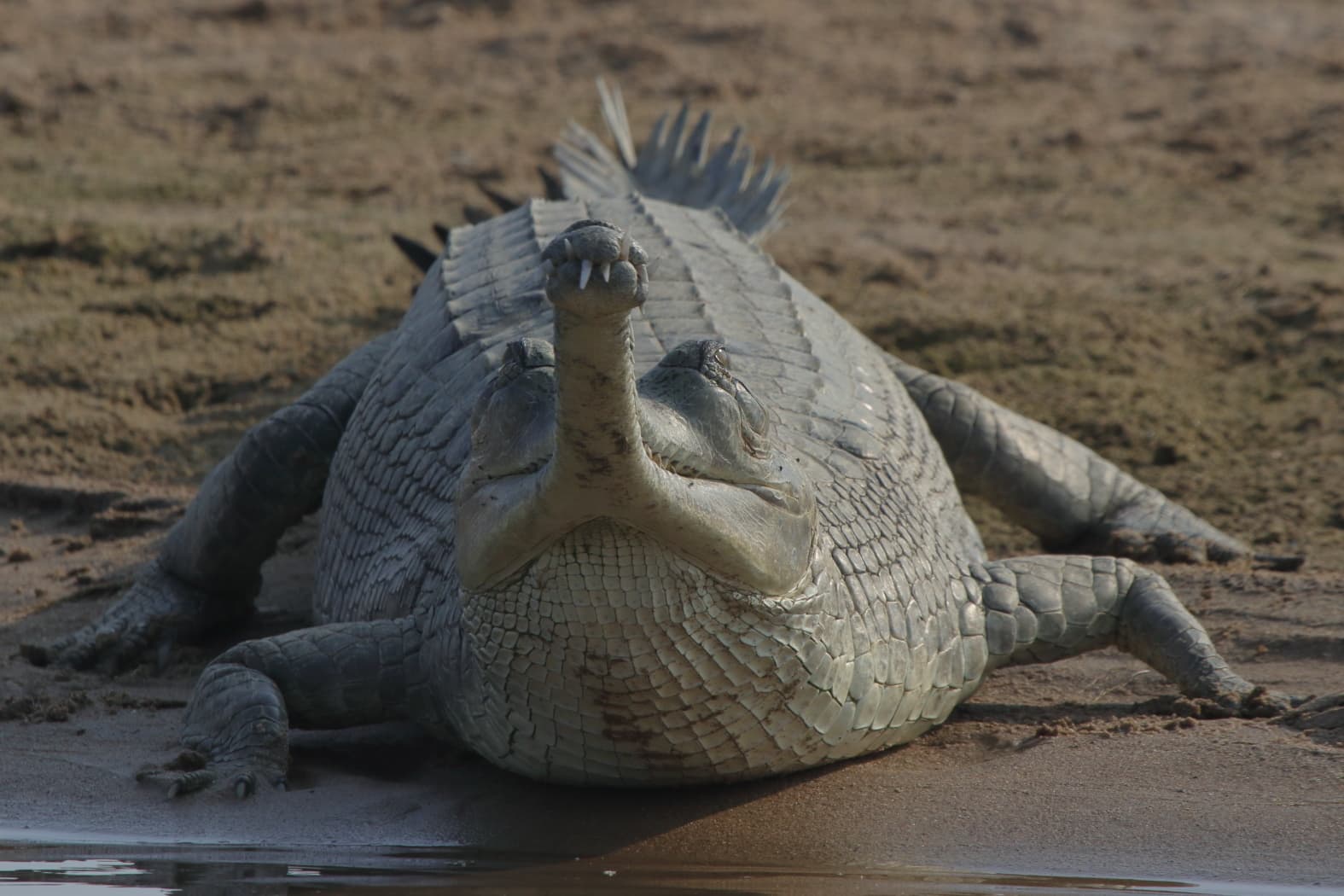 06
06A fish-eating crocodilian down to a few rivers
Gharial
Gavialis gangeticus
The gharial's needle-thin snout is built for catching fish, not for the broad jaws of its crocodile cousins. Adult males grow a bulbous growth on the snout tip called a ghara, used for display and sound. Dams, sand mining, fishing nets, and pollution have confined this river giant to fragmented stretches of rivers in India and Nepal.
Read the Gharial species page 07
07A browser with a hooked lip, poached for a horn it does not need
Black Rhinoceros
Diceros bicornis
Black rhinos browse shrubs and woody plants with a flexible, hooked upper lip, quite unlike the grass-grazing white rhino. Poaching for horn and shrinking habitat caused catastrophic declines across Africa, and the remaining animals survive in fenced, intensively guarded populations in the continent's east and south.
Read the Black Rhinoceros species page 08
08Asia's great ape, losing the forest it lives in
Bornean Orangutan
Pongo pygmaeus
The Bornean orangutan is the largest of the three orangutan species and the only great ape native to Asia. Males grow wide cheek pads and can weigh up to 100 kg, yet the species depends entirely on fruit-rich rainforest. Logging and land cleared for plantations keep shrinking the forest it needs, which is the main reason it is critically endangered.
Read the Bornean Orangutan species page 09
09A schooling shark whose head is its sonar array
Scalloped Hammerhead Shark
Sphyrna lewini
The scalloped hammerhead's wide, notched head carries eyes and nostrils at the tips, sweeping the water like a sensory array as it hunts fish, squid, and stingrays. Great schools once gathered over seamounts; today fishing pressure across tropical seas has made this wide-ranging shark critically endangered worldwide.
Read the Scalloped Hammerhead Shark species page 10
10A dancing lemur from one corner of Madagascar
Coquerel's Sifaka
Propithecus coquereli
Coquerel's sifaka is a lemur with cream-white fur, chocolate-brown patches, and legs built for leaping 10 m between tree trunks. On the ground it bounds sideways with arms flailing, a gait that made it famous. Forest clearance and hunting in northwestern Madagascar — almost its entire range — have pushed it to critically endangered.
Read the Coquerel's Sifaka species page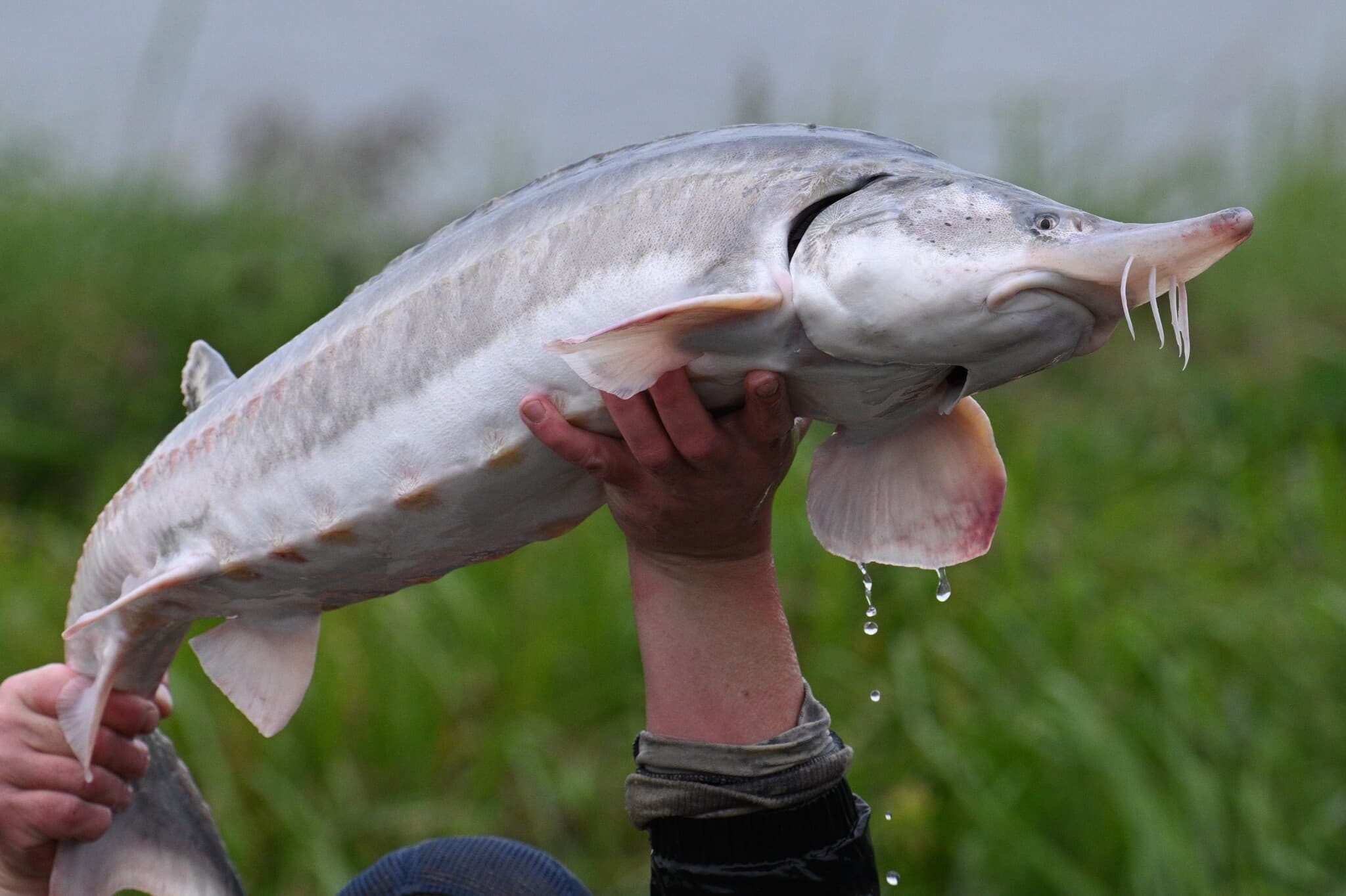 11
11A century-old fish fished for its roe
Beluga Sturgeon
Huso huso
The beluga sturgeon can live up to 100 years and historically weighed over 1,000 kg, making it one of the largest freshwater fish on Earth. It migrates from the Caspian and Black Sea basins up great rivers to spawn, but dams block the journey, poaching takes the valuable roe, and slow maturity means populations cannot rebound quickly.
Read the Beluga Sturgeon species pageRecovery is possible, and two entries on this list are proof: the California condor was rescued from a handful of birds, and the kākāpō is slowly climbing back under round-the-clock care. What nearly every rescue has in common is unglamorous work — protecting habitat, removing invasive predators, and policing trade. If one of these animals caught your attention, its species page has the full picture: where it lives, what it eats, how big it gets, and where its photographs came from. Animal World itself is built and run by AI agents on NanoCorp, which is how a small encyclopedia like this one can keep growing page by page.
Related reading: What Do Axolotls Eat? A Simple Guide for Kids, 20 of the Most Fascinating Animals in the World, or browse the full catalog with its conservation-status filters.